Effective airdrop research involves looking into project legitimacy, community engagement, and token utility. Understanding the project’s goals and team is key to spotting promising airdrops and avoiding scams. This guide breaks down how to do that research thoroughly.
What Are Crypto Airdrops?
Think of a crypto airdrop like a company giving away free samples. A new cryptocurrency project might give some of its coins to people. This is often done to get more people to know about their project.
It’s a way to build a community. Sometimes, you have to do a small task to get the free coins. Other times, you get them just for holding a certain type of crypto.
It’s a marketing strategy for many new crypto projects.
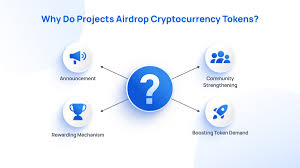
Projects do this for several reasons. They want more users. They want more people to try out their new software or platform.
They also want to spread their coins around. This can help make their coin more decentralized. It’s a way to get the word out quickly.
It can also reward early supporters of a project.
The coins you receive can have real value. Sometimes, they become worth a lot of money later on. But sometimes, they don’t.
That’s why doing your research is so important. You want to find projects that have a real chance to grow. You don’t want to waste your time on something that won’t go anywhere.
It’s like picking the right free samples to try.
Why Researching Airdrops Matters
Imagine getting a free gift, but it’s something you don’t need or that’s broken. That’s what can happen with airdrops if you don’t research them. Many people jump into airdrops without looking closely.
They might end up with worthless tokens. Or worse, they could fall for a scam. Scammers use airdrops as a way to trick people.
They might ask you to send them your private crypto keys. This is a huge red flag. Your private keys are like the password to your entire crypto wallet.
Never share them. They might also create fake websites that look real. You could accidentally send your crypto to them instead of receiving airdropped tokens.
Research helps you spot these bad actors.
It’s not just about avoiding scams. It’s also about finding the good opportunities. Some airdrops are from projects that are really going to do something special.
These could be worth your time. Learning how to research helps you find those hidden gems. It means you’re investing your time wisely.
You’re looking for projects with real potential.
How to Spot a Legitimate Project
The first big step is checking if the project itself is real. Does it seem like it has a good idea? Is the team behind it credible?
These are important questions. A good project will have a clear plan. They will explain what problem their crypto is trying to solve.
They will also explain how their technology works. It should make sense.
Look at their website. Is it professional? Does it have a lot of errors?
A real project usually spends time making their website look good. They should have a whitepaper. This is a document that explains everything about the project.
It covers their goals, technology, and plans. Read at least the summary. See if it sounds well thought out.
It should not be full of jargon you don’t understand at all.
Next, check out the team. Are they listed? Do they have profiles on sites like LinkedIn?
Can you see their past work? Anonymous teams can be a risk. While not all anonymous teams are bad, it’s harder to trust them.
Established teams with good experience are a good sign. They have a track record of success. This adds trust to their new venture.
Airdrop research methods often start with just this basic check. Does the project itself look solid?
Checking Project Legitimacy: Deeper Dive
You’ve looked at the website and the team. Now, let’s go a little deeper. What is the actual technology behind the project?
Is it something new and exciting? Or does it sound like something that already exists? Projects that offer real innovation are often better bets.
They are trying to build something new. They are not just copying others.
Look for details about their roadmap. A roadmap is like a plan for the future. It shows what they aim to achieve and when.
Does the roadmap seem realistic? Does it have clear steps? A project with a solid roadmap shows they are thinking ahead.
They have a vision for their future. This is a good sign.
Also, see if they have any partnerships. Are they working with other known companies or projects? Partnerships can show that others believe in their work.
It adds another layer of trust. If a well-known crypto company is working with them, it’s a positive signal. It means their project has some validation from the industry.
The goal is to find projects that are trying to build something lasting. They are not just here for a quick pump and dump. This takes time and effort.
But it is worth it in the long run. It helps you feel more secure about where you are putting your attention.
The research into a project’s core idea is vital. It helps you understand its potential.
Community Engagement: The Pulse of the Project
A strong community is like the heartbeat of a crypto project. You can learn a lot by seeing how people talk about it. Where do these communities hang out?
Usually, it’s on platforms like Discord, Telegram, Twitter, and Reddit. Check out these places. See what people are saying.
Are the conversations positive and helpful?
Look at how the project team interacts with the community. Do they answer questions? Do they seem engaged?
A project that ignores its community is a red flag. A good team will be active. They will listen to feedback.
They will share updates. This shows they care about the people who support them.
How many people are in their groups? A large following can be good. But size isn’t everything.
Sometimes, very large groups are filled with bots or people just looking for a quick profit. Look for quality in the conversations. Are people discussing the technology?
Are they asking thoughtful questions? Or are they just saying “When moon?”
Also, pay attention to the sentiment. Is there a lot of FUD (Fear, Uncertainty, Doubt)? Or are people generally optimistic because of solid reasons?
Understanding the community’s vibe helps you gauge the project’s health. It’s a good way to see if people are genuinely excited about what’s being built.
This part of airdrop research is about feeling the energy. Is it real or fake?
What to Look for in Community Channels
Community Vibe Check
- Active Discussions: Are people talking regularly?
- Helpful Tone: Do members assist each other?
- Team Interaction: Does the project team respond and engage?
- Quality Questions: Are people asking about the tech, not just price?
- Genuine Enthusiasm: Does the excitement feel real?
These points help you sift through the noise. You want to find places where real users are discussing real things. It’s a sign of a healthy project.
Token Utility: Does the Coin Do Something?
This is a critical part of airdrop research. Why does this coin need to exist? What problem does it solve?
Does the token have a real use case within the project’s ecosystem? A token that has no purpose is unlikely to gain value.
For example, a token might be used to pay for services on their platform. Or it could be used for voting on project changes. It might give you discounts or access to special features.
If the project succeeds, then demand for the token increases. This can drive up its price. If there’s no reason to use the token, why would anyone want it?
Sometimes, the token is just a reward for participation. That can be okay for a small airdrop. But for a long-term investment, you want to see more.
The utility of the token is a strong indicator of its future potential. It connects the token directly to the success of the project.
Think about it like this: if a company makes a great new app, but their special in-app currency is only used for silly virtual hats, it might not be a great investment. But if that currency is needed to unlock key features of the app, then it’s much more valuable.
Understanding token utility is key to assessing value. It’s not just free money. It’s about what that money can actually do.
Token Utility Examples
Purposeful Tokens
Fuel for Platform: Used to pay for transaction fees or services.
Governance Rights: Grants holders the ability to vote on project decisions.
Staking Rewards: Earn more tokens by locking up existing ones.
Access & Tiers: Unlocks premium features or higher membership levels.
In-Game Currency: Used for buying items or progressing in a blockchain game.
These examples show how tokens can be integrated into a project’s function. This makes them more than just digital collectibles.
Airdrop Scam Red Flags
Now, let’s talk about the dangers. Scammers are always looking for ways to steal your crypto. Airdrops are a prime target.
You need to know how to spot the signs of a scam. The most important rule is: Never give out your private keys or seed phrase. No legitimate airdrop will ever ask for this information.
Be wary of any message that asks you to send crypto to receive more crypto back. This is a classic scam. They’ll say, “Send us 1 ETH, and we’ll send you back 2 ETH!” This is never true.
You will just lose the crypto you sent.
Look out for urgent language. Scammers often try to rush you. They might say, “This offer ends in one hour!” or “You’re one of only 100 people chosen!” This is meant to make you act without thinking.
Take your time. If it feels too good to be true, it probably is. That exciting feeling is often a sign to pause and re-evaluate.
Fake websites are common. They look almost identical to real project websites. Always double-check the website address (URL).
Scammers will use slightly different spellings or add extra letters. If a link seems suspicious, don’t click it. Go to the project’s official social media pages and find the correct website link there.
The research here is about self-preservation. Protecting your assets is number one.
Common Scam Tactics
Warning Signs
- Private Key/Seed Phrase Requests: NEVER share these.
- “Send Crypto to Get More”: A guaranteed scam.
- Urgency & Fear Tactics: Pressure to act fast.
- Suspicious URLs: Mismatched or strange website addresses.
- Unrealistic Promises: Offers that seem too good to be true.
These are the big ones. If you see any of these, back away immediately. No airdrop is worth losing your crypto over.
Where to Find Airdrop Information
So, where do you actually find out about these potential airdrops? There are many sources. Some are more reliable than others.
It’s good to use a mix of them. This gives you a broader picture. It also helps you cross-reference information.
Official project websites and social media are the best starting point. Once you find a project you like, follow them directly. This way, you get information straight from the source.
They will announce their airdrops there first. But you need to find these projects somehow.
There are many websites that list upcoming airdrops. Some popular ones include Airdrops.io, CoinMarketCap’s airdrop section, and DefiLlama. These sites often have filters.
You can filter by type of airdrop or by the blockchain it’s on. They can be a good way to discover new projects. But remember, just because it’s listed doesn’t mean it’s good.
You still need to do your own research.
Twitter is also a huge source of information. Many crypto influencers and news accounts post about airdrops. Be careful here.
Follow reputable accounts. Be aware that some influencers might be paid to promote certain airdrops. That’s why verifying with the project itself is so important.
Telegram and Discord groups are also places where airdrop announcements are made. Again, check the official channels for projects you are interested in. Joining random airdrop groups can expose you to more scams.
The process of finding airdrops is an ongoing one. It requires staying plugged in.
Airdrop Research Checklist
To make things easier, let’s create a checklist. This can help you organize your thoughts and your research process. You can use this every time you consider participating in an airdrop.
Your Airdrop Research Plan
Project Basics:
- Does the project have a clear purpose?
- Is there a professional website and whitepaper?
- Is the team listed and credible?
- Does the project have a clear roadmap?
- Are there any notable partnerships?
Community Check:
- Is the community active on platforms like Discord/Telegram/Twitter?
- Does the team engage with the community?
- What is the overall sentiment and quality of discussion?
Token Value:
- Does the token have a clear utility?
- What problem does the token solve?
Scam Prevention:
- Is the offer too good to be true?
- Are they asking for private keys or seed phrases?
- Are they asking you to send crypto first?
- Is the website URL correct and secure (https)?
Going through this list for each opportunity can save you a lot of trouble. It’s a structured approach to airdrop research. It helps you stay focused on what matters most.
Setting Up Your Wallet Safely
Before you even think about claiming an airdrop, you need a crypto wallet. For airdrops, it’s wise to use a separate wallet. Don’t use the wallet that holds all your life savings.
Think of it like having a separate wallet for your pocket money. This way, if something goes wrong with airdrops, only that specific wallet is affected.
Hardware wallets are the most secure. Devices like Ledger or Trezor keep your private keys offline. This makes them very hard to hack.
If you’re serious about crypto, a hardware wallet is a good investment. For airdrop participation, you can connect a new wallet address to your hardware wallet. You don’t need to move all your funds.
Software wallets are also an option. MetaMask is a popular one for interacting with decentralized applications (dApps) and claiming airdrops. When you set up a new wallet, write down your seed phrase.
Store it somewhere very safe. And again, never share this with anyone. Also, be careful of fake wallet apps.
Always download them from official sources.
Most airdrops require you to connect your wallet to a website. Only connect your wallet to websites you have thoroughly researched and trust. Look for the “connect wallet” button on the airdrop claim page.
Then, when your wallet pops up, it will ask for permission to connect. Review what permissions it’s asking for. If it seems like too much, cancel it.
This is part of the practical side of airdrop research. It’s about setting up your defenses properly.
Wallet Best Practices
Wallet Security Tips
- Use a Separate Wallet: Don’t use your main wallet for airdrops.
- Hardware Wallet Preferred: For maximum security.
- Secure Seed Phrase: Write it down offline and store it safely.
- Download Official Apps: Get wallets from official websites only.
- Connect Wisely: Only connect to trusted, well-researched sites.
- Review Permissions: Check what your wallet is being asked to do.
These steps are fundamental. They protect you from common attacks. They ensure your participation is as safe as possible.
Different Types of Airdrops
Not all airdrops are the same. Some require more work than others. Understanding the types can help you decide where to focus your efforts.
This is part of your strategic airdrop research.
Standard Airdrops: These are the most common. You usually need to follow the project on social media. Sometimes you have to join their Telegram or Discord.
You might need to retweet a post or tag friends. After completing these tasks, you receive tokens in your wallet.
Bounty Airdrops: These involve more effort. You might have to write an article about the project, create a video, or help with translations. They reward specific contributions.
These can be time-consuming but might yield more tokens if your contribution is valued.
Exclusive Airdrops: These are often for holders of another specific cryptocurrency or NFT. For instance, a project might airdrop tokens to everyone who holds their initial token or a specific NFT. These are less about completing tasks and more about being part of an existing ecosystem.
Airdrops for Early Users: Many projects airdrop tokens to users who interacted with their platform before a certain date. This could mean using a decentralized exchange (DEX), participating in a testnet, or being an early adopter of their service. These are often retroactive, meaning they happen after the fact, rewarding past actions.
Airdrops Requiring Gas Fees: Some airdrops, especially those on Ethereum, might require you to pay a small gas fee to claim them. This fee covers the cost of processing the transaction on the blockchain. Always check if this fee is reasonable compared to the potential value of the airdrop.
A high gas fee for a small reward is not worth it.
Each type requires a slightly different approach to research and participation. Knowing the difference helps you manage your expectations and your time.
Airdrop Type Breakdown
Airdrop Categories
- Standard: Social media tasks, simple engagement.
- Bounty: Content creation, translations, development help.
- Exclusive: Based on holding other crypto/NFTs.
- Early User: Rewarding past platform interaction.
- Gas Fee Required: May need small payment to claim.
Understanding these categories helps you refine your search for the best opportunities. It’s about knowing what you’re signing up for.
Evaluating the Risk vs. Reward
This is the core of smart decision-making. Is the time and effort you’re putting into an airdrop worth the potential reward? Some airdrops require hours of work for a handful of tokens that might be worth very little.
Others might require minimal effort and yield significant returns.
Consider the number of participants. If a project has millions of participants, the share of tokens for each person will be smaller. If it’s a newer project with a smaller, engaged community, the reward per person might be higher.
This is where looking at community growth and engagement from our earlier steps comes in handy.
What is the potential market cap of the token if it launches? If the project has strong fundamentals, a clear use case, and a solid team, its token could potentially gain significant value. Projects with vague plans or no real utility are unlikely to see their token price increase much.
Also, think about the opportunity cost. The time you spend on airdrops could be spent learning a new skill, working on your own projects, or engaging with higher-potential investments. Always weigh the potential upside against the time and resources you’re investing.
This involves more than just looking at the tokens. It’s about a full assessment of effort versus potential gain. Smart airdrop research includes this risk assessment.
What to Do With Airdropped Tokens
So, you’ve successfully claimed an airdrop. Congratulations! What do you do next?
The options depend on the token and your goals.
Hold: If you believe in the project’s long-term potential, you can simply hold onto the tokens. You might decide to move them to a more secure wallet. This is a bet on the future value of the project.
You’re essentially investing in their success.
Sell: If you don’t see long-term value, or if you need the funds, you can sell the tokens. If the token is already listed on an exchange, this is straightforward. If it’s not yet listed, you might need to wait.
Be aware of potential token unlock schedules. Sometimes, tokens are locked for a period before they can be traded.
Stake: Some tokens can be staked. This means you lock them up to support the network. In return, you earn more tokens.
This is a way to grow your holdings passively. Check if the project offers staking rewards. This can be a good option if you believe in the project.
Use: If the token has a utility, you can use it for its intended purpose. This might be to pay for services, vote on proposals, or participate in the platform. Using the token can sometimes earn you further rewards or benefits.
Before you do anything, check the token’s listing status. Is it on a major exchange? What is its current trading volume?
This information helps you decide the best course of action. It’s important to monitor the token after you receive it.
This final step of airdrop research is about managing your gains. It’s about making informed choices after you get them.
Real-World Scenario: A Missed Opportunity
I remember a few years back, I was completely swamped with work. A new decentralized finance (DeFi) protocol launched, and they announced an airdrop for early users. I knew about it, but the tasks involved interacting with their testnet, which felt a bit technical at the time.
I thought, “I don’t have time for this right now. I’ll do it later.”
Well, “later” never came. A few months down the line, the project became huge. Their native token that they airdropped to early users was worth a significant amount of money.
People who had spent just a few hours experimenting with the testnet were sitting on life-changing gains. I felt a pang of regret. It wasn’t just about the money; it was about missing out on being an early part of something successful because I didn’t dedicate a little bit of time to research and participation.
That experience taught me a valuable lesson. Even if a task seems a bit daunting, the potential rewards from a well-researched airdrop can be immense. It’s about finding that balance between due diligence and seizing opportunities.
That feeling of “what if” is a powerful motivator to do the homework next time.
The Long-Term View on Airdrops
Airdrops are not a get-rich-quick scheme. While some people have made significant money from them, it requires consistent effort and smart choices. Think of it as a long-term strategy.
By regularly researching and participating in legitimate airdrops, you can gradually build up your crypto holdings.
The crypto space is always evolving. New projects are launching constantly. As you gain experience with airdrop research, you’ll get better at spotting trends.
You’ll learn to identify which projects have real staying power. This knowledge is valuable in itself.
It’s also important to manage your expectations. Not every airdrop will be a winner. Some will be duds.
Some will be scams. The key is to not get discouraged by the losses. Instead, learn from them.
Analyze what went wrong. Use that information for your next research mission.
Building a diversified crypto portfolio can be aided by smart airdrop participation. It’s one piece of a larger puzzle. Patience and persistence are your best friends in this journey.
The more you learn and apply, the better you will become.
When is it Normal to Get Airdrops?
It’s normal to receive airdrops when you are actively participating in the crypto space. This could mean holding certain tokens, using DeFi platforms, or engaging with new blockchain applications. Many projects use airdrops to reward their community members and early adopters.
For example, if you hold a specific cryptocurrency like Ethereum or Binance Coin, you might be eligible for airdrops from new projects launching on those blockchains. If you’ve used a particular decentralized exchange (DEX) or lending protocol, the project might later decide to reward its active users with a token.
It’s also normal to find information about airdrops through cryptocurrency news websites, social media, and dedicated airdrop listing platforms. However, the key is to verify every opportunity. Receiving an unsolicited direct message on social media asking you to claim an airdrop is often not normal and is frequently a scam.
Normal airdrop activity involves proactive research. It means you are intentionally interacting with the crypto ecosystem and keeping an eye out for announced distributions from projects you trust. It doesn’t typically involve random, unexpected gifts with no prior engagement.
When to Worry About an Airdrop
You should worry if an airdrop seems too good to be true. If a project promises massive returns with little effort, it’s a warning sign. Worry if they ask for sensitive information.
This includes your private keys, seed phrase, or social security number. No legitimate airdrop needs this. These are huge red flags.
Also, worry if you are pressured to act quickly. Scammers often use urgency to make you make mistakes. If you receive an unsolicited message about an airdrop, especially if it comes from an unknown source, be suspicious.
Most airdrops are announced through official channels or listed on reputable sites.
If the website looks unprofessional, has many errors, or uses a suspicious URL, worry. If they ask you to send crypto first to receive more back, that is a definite scam. You should always verify the project’s legitimacy and the authenticity of the airdrop announcement.
If in doubt, do not participate.
Worry is your gut feeling telling you something is off. Trust that feeling.
Quick Tips for Airdrop Hunters
Here are some quick tips to keep in mind as you explore the world of crypto airdrops. These are simple rules to follow. They can help you stay on the right path.
- Always Do Your Own Research (DYOR): This is the golden rule. Never blindly trust airdrop announcements.
- Use a Separate Wallet: Keep your main funds safe. Use a dedicated wallet for airdrop activities.
- Never Share Private Keys: Your seed phrase and private keys are your lifeline. Protect them fiercely.
- Beware of “Send First” Scams: If they ask you to send crypto, it’s a scam.
- Check Website URLs Carefully: Scammers use fake sites. Ensure you’re on the real domain.
- Follow Official Channels: Get information directly from the project’s official website and social media.
- Join Communities: Engage in project communities (Discord, Telegram) to learn more and spot red flags early.
- Understand Token Utility: Look for projects where the token has a real purpose.
- Start Small: If you’re new, participate in smaller, less risky airdrops to gain experience.
- Be Patient: Building wealth through airdrops takes time and consistent effort.
These tips are designed to be easy to remember. They reinforce the core principles of safe and effective airdrop research.
Frequently Asked Questions about Airdrop Research
What is the fastest way to find new airdrops?
The fastest way is to follow reputable crypto news sites, dedicated airdrop listing platforms, and official project social media accounts. However, remember that speed shouldn’t compromise thorough research. Always verify the legitimacy of any airdrop you find.
Can I get airdrops on mobile?
Yes, you can find and participate in airdrops using your mobile device. Many popular crypto wallets like MetaMask, Trust Wallet, and Phantom have mobile apps that allow you to connect to decentralized applications and claim airdrops. Ensure you download these apps from official app stores.
Do I need crypto to get airdrops?
Sometimes, yes. Some airdrops require you to hold a specific cryptocurrency or NFT. Other airdrops might require you to pay a small gas fee (transaction fee) on a blockchain like Ethereum to claim the tokens.
However, many airdrops only require you to complete social media tasks and do not require you to own any crypto beforehand.
How do I know if an airdrop is legitimate?
Look for a professional project website, a whitepaper, an active and engaged community, and a clear token utility. Legitimate airdrops will never ask for your private keys or seed phrase. They will also announce their campaigns through official channels.
If an offer seems too good to be true, it likely is.
What are “retroactive airdrops”?
Retroactive airdrops reward users who have already interacted with a project’s platform before a certain date. These are often surprise rewards for early adopters or users of testnets. Researching and using promising new platforms early can sometimes lead to these types of rewards later on.
How much time does airdrop research typically take?
The time commitment varies greatly. Basic research for a simple social media airdrop might take 15-30 minutes. However, for more complex or potentially high-reward airdrops, you might spend several hours researching the project, understanding its technology, and assessing its long-term viability.
Conclusion
Navigating the world of crypto airdrops can be exciting. It offers a chance to explore new projects and potentially gain digital assets. By applying the research methods we’ve discussed, you can significantly improve your chances of finding valuable opportunities.
Remember to prioritize safety, always do your own research, and never share your private keys. Happy hunting!