Airdrops are promotional giveaways by crypto projects. They offer free tokens to build community and awareness. Many opportunities exist if you know where and how to look, focusing on active participation and due diligence.
What Are Crypto Airdrops?
Crypto airdrops are like free samples for digital coins. A new crypto project creates its own coins or tokens. They then give some of these tokens away.
This is usually to people who already use certain other cryptocurrencies. Or it can be for people who do specific tasks. Think of it like a new coffee shop giving out free samples on opening day.
They want you to try their coffee. They hope you’ll become a regular customer. Crypto projects do the same.
They want people to know about their new technology. They hope you will use their platform later. Or maybe just spread the word.
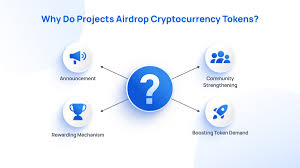
Why would they give away free money? It seems counterintuitive, doesn’t it? Well, the main goal is marketing.
In the crowded crypto space, getting noticed is hard. Airdrops help create buzz. They bring new users to a project’s network.
This can boost its value and adoption. It’s a way to reward early supporters. It can also be a way to distribute tokens widely.
This helps make the network more decentralized. Decentralization means no single entity controls everything. This is a core idea in many cryptocurrencies.
There are different kinds of airdrops. Some are very simple. You might just need to have a certain wallet.
Others require more effort. You might need to join a Telegram group. Or follow a project on social media.
Some of the biggest rewards come from participating in a project’s early stages. This is sometimes called a “retroactive airdrop.” You get rewarded for things you already did. It feels like getting a surprise bonus.
How Do Crypto Airdrops Work?
The process for receiving an airdrop often involves a few steps. First, a project announces its upcoming airdrop. They usually specify who is eligible.
This is the most important part for you. Are you part of the group they want to give tokens to? Common eligibility criteria include holding a specific token.
For example, a project might give tokens to anyone holding Ethereum (ETH). Or they might want users of a particular blockchain network. They could also target users of specific decentralized applications (dApps).
Another common method is task-based. The project might ask you to perform certain actions. These actions show your engagement.
They prove you’re interested in the project. Examples include:
- Creating an account on their platform.
- Joining their community channels (like Discord or Telegram).
- Following them on social media (Twitter, Reddit).
- Retweeting or sharing their posts.
- Testing a new feature or product.
- Referring friends to the project.
Once you meet the criteria, you need to claim your tokens. The project will provide instructions. This usually involves connecting your crypto wallet to a specific website.
Your wallet holds your digital assets. It’s like your digital bank account. You must be careful here.
Only connect your wallet to trusted websites. Scammers create fake airdrop sites. They try to steal your crypto.
Some airdrops are automatic. If you meet the requirements, the tokens appear in your wallet. This often happens for retroactive airdrops.
The project looks at past activity on their network. They decide who deserves a reward. Then, they send the tokens directly.
No claiming needed. This feels like a pleasant surprise. You might log into your wallet one day and see new tokens.
It’s important to track which projects you’ve interacted with. You never know which ones might reward you later.
Finding Hidden Airdrop Opportunities
The phrase “hidden airdrop” can sound mysterious. It often means opportunities that aren’t widely advertised. Or they are for activities that aren’t yet obvious rewards.
It’s about being ahead of the curve. It means finding projects before they become huge. And before everyone knows about their airdrops.
One way to find these is to look at new blockchain networks. Or new layers on existing networks. These are often looking for users.
They might give away tokens to people who try out their services. For example, when a new “Layer 2” solution for Ethereum launched, they often rewarded early users. These users helped test the network.
They helped make it stronger. The project then gave them tokens.
Follow crypto news sources. But don’t just read the big headlines. Look for smaller blogs.
Look for newsletters focused on early-stage projects. Many crypto enthusiasts share tips on platforms like Twitter and Reddit. They discuss projects they are exploring.
These can be great places to learn about potential airdrops. You need to sift through a lot of noise. But sometimes, a gem pops up.
Engage with projects you believe in. If you like a new decentralized finance (DeFi) protocol, use it. Provide liquidity.
Make trades. Interact with its smart contracts. If you support a new non-fungible token (NFT) marketplace, buy or sell an NFT there.
These actions show you are a genuine user. They often lead to rewards later. It’s about building a history with promising projects.
This history can be very valuable.
Consider “testnets.” These are practice versions of blockchain networks. Developers use them to test their code. They are free to use.
You can get “testnet tokens” from a faucet. Then you can use these test tokens to interact with dApps. If a project uses a testnet and later launches its main network, they might reward testnet users.
This is a very common way to find early opportunities.
I remember when a new blockchain called Solana was just starting. Very few people knew about it. I saw a few developers talking about it.
They mentioned early access programs. I signed up. I got to try out some of the first applications built on it.
I used their testnet. I provided some feedback. It felt like being part of something new.
A few months later, they announced an airdrop. Holders of their early access tokens got a significant amount. It wasn’t a huge sum in dollars back then.
But it was a good reward for my early interest. It taught me to always look for those nascent projects.
Airdrop Hunting Checklist
Project Stage: Look for projects in early development or beta phases.
Community Engagement: Are they active on Discord, Telegram, or Twitter?
Roadmap: Do they have a clear plan with potential token distribution events?
Utility: Does the token have a real use case within the project?
Team: Is the development team public and reputable?
Types of Airdrops and What to Expect
Not all airdrops are created equal. Some are much more rewarding than others. Understanding the different types can help you focus your efforts.
And set realistic expectations for yourself.
Standard Airdrops: These are the most common. A project announces a specific date. Users who meet certain criteria before that date receive tokens.
The criteria might be holding another coin, having a certain amount of network activity, or joining their community. These are usually well-publicized.
Bounty Airdrops: These require you to complete specific tasks. You might need to write an article about the project. Or create a video.
Or find bugs in their code. These rewards can be higher. But they require more effort and skill.
Holder Airdrops: If you hold a specific cryptocurrency, you might receive an airdrop automatically. For example, if you held Bitcoin (BTC) when other blockchains like Bitcoin Cash (BCH) forked, you received BCH tokens. Many new projects airdrop to holders of major coins like ETH or SOL.
Retrograve Airdrops: These are the ones people get most excited about. The project looks back at users who interacted with its network in the past. Even if you didn’t know an airdrop was coming, you might be rewarded.
This rewards early adopters and testers. The Uniswap (UNI) airdrop was a famous example. Anyone who had used Uniswap before a certain date received UNI tokens.
Partnership Airdrops: Sometimes, two projects will partner up. They might offer a joint airdrop to users of both platforms. This can be a good way to get tokens from two projects at once.
What can you expect in terms of value? It varies wildly. Some airdrops give you tokens worth pennies.
Others can be worth thousands of dollars. It depends on the project’s success. And the demand for its token.
It’s important not to get greedy. Or to spend money just to chase an airdrop. The goal is to find opportunities that align with your existing crypto activity.
I once spent a lot of time testing a new decentralized exchange. It was a bit clunky. I found a few small bugs.
I reported them. I didn’t expect much. Then, months later, they announced a retro wave airdrop.
My wallet address was on their list. I got about $500 worth of their tokens. It wasn’t life-changing money.
But it felt like a good return for a few hours of my time. It reinforced the idea that patience and genuine engagement pay off. It’s not just about quantity of interaction.
It’s about quality and being an early supporter.
Airdrop Types at a Glance
Standard: Simple, well-publicized. Get tokens for meeting basic criteria.
Bounty: Requires active work (content, bug finding). Higher potential reward.
Holder: Automatic for holding specific coins. Based on snapshot of balances.
Retroactive: Rewards past actions. Surprise bonus for early users.
Partnership: Joint giveaway from collaborating projects.
Real-World Context: Where Airdrops Happen
Airdrops are not just theoretical concepts. They happen in real crypto ecosystems. Understanding these contexts helps you spot opportunities.
It helps you see where these free tokens come from.
New Blockchain Networks: When a new blockchain launches, it needs users. It needs developers to build on it. Projects like Avalanche, Polygon, or Fantom all had phases where they rewarded early users.
They encouraged people to bridge assets. Or to use dApps on their network. These networks often have their own tokens.
People who helped bootstrap these networks were often rewarded.
Layer 2 Scaling Solutions: These are built on top of existing blockchains like Ethereum. They aim to make transactions faster and cheaper. Examples include Arbitrum, Optimism, and zkSync.
Because they offer a better user experience, they often reward users who switch over from the main network. Many of these have already had major airdrops. But new ones are always being developed.
Decentralized Finance (DeFi) Protocols: This is a huge area for airdrops. New decentralized exchanges (DEXs), lending protocols, yield farming platforms, and synthetic asset platforms all need users. They might give away tokens to people who trade on their DEX.
Or who lend assets on their platform. Or who provide liquidity. The goal is to decentralize ownership of the protocol itself.
So the users who help it grow get a say.
NFT Marketplaces and Platforms: While not as common as DeFi, NFT projects also do airdrops. This could be for artists who mint NFTs on a new platform. Or for collectors who buy and sell.
Or for people who engage with NFT-related communities. Sometimes, unique NFTs themselves are a form of airdrop or reward.
Metaverse and Gaming Projects: As the metaverse develops, games and virtual worlds are launching. These often need players. They might reward early players with in-game tokens.
Or with land NFTs. Or with unique items. These can be very engaging.
And potentially rewarding.
I once participated in a project that aimed to build a decentralized social media platform. It was very early. The interface was rough.
But the idea was compelling. They asked users to create profiles and post content. Even with few users, they gave out small amounts of their future token.
It was a test of their system. It also rewarded the few brave souls who signed up. Later, when they had more features, they did a larger distribution.
It showed me that even in very niche areas, early participation can matter.
Where to Watch for Airdrops
New L2s: Keep an eye on Ethereum scaling solutions.
DeFi Innovations: DEXs, lending, and derivatives protocols.
Web3 Infrastructure: Projects building tools for the decentralized web.
Gaming/Metaverse: Virtual worlds and blockchain games.
New Layer 1s: Emerging blockchain networks.
What This Means for You: Normal vs. Concerning Signs
It’s smart to be excited about airdrops. But it’s also crucial to be cautious. Not every offer is legitimate.
Knowing the difference between a normal opportunity and a scam is vital. This protects your assets and your time.
Normal Signs of a Potential Airdrop:
- The project has a clear goal and whitepaper.
- The development team is public and has experience.
- They have active social media channels with real engagement.
- They ask for your wallet address to receive tokens, but never your private keys or seed phrase.
- The tasks involve interacting with their platform or community, not sending money.
- They are transparent about the airdrop process and timeline.
- They might ask you to verify your identity for KYC (Know Your Customer) purposes on a secure platform if it’s a larger, regulated distribution.
Concerning Signs of a Scam Airdrop:
- Requests for Private Keys or Seed Phrases: NEVER share these. They are the keys to your crypto. Anyone asking for them is trying to steal from you.
- Asking You to Send Crypto First: A legitimate airdrop gives you free tokens.
It does not ask you to send money to receive them. This is a common “rug pull” or scam.
- Unrealistic Promises: Offers of guaranteed massive returns or “free money for doing nothing” are usually too good to be true.
- Fake Websites: Scammers create identical-looking websites to legitimate projects. Always double-check the URL.
Look for typos or slight differences.
- Suspiciously High “Gas Fees” for Claiming: Sometimes, scammers trick you into signing a transaction that gives them access to your wallet.
- Anonymous Teams with No Track Record: While some legitimate projects are anonymous, it’s riskier. Be extra cautious.
- Poorly Written Announcements or Websites: Lots of grammar mistakes or unprofessional design can be red flags.
I’ve seen friends fall for scams. One time, a scammer created a fake Twitter account. It looked just like a major project’s account.
They announced a “limited-time airdrop.” It required clicking a link and connecting your wallet. My friend clicked it. He was asked to approve a transaction.
He thought it was for a small gas fee. But the transaction actually gave the scammer permission to drain his entire wallet. He lost everything.
It was a harsh lesson. Now, I always verify information from multiple sources. I check official project websites and reputable crypto news sites before interacting.
Red Flags to Watch For
NEVER share private keys or seed phrases.
NEVER send crypto to receive an airdrop.
Be skeptical of overly generous promises.
Always check website URLs carefully.
Verify information through multiple trusted sources.
Quick Tips for Smart Airdrop Hunting
If you’re looking to find good airdrop opportunities, a strategic approach helps. It’s not just about luck. It’s about being informed and active.
Here are some practical tips to boost your chances.
- Use a Dedicated Wallet: Have a separate wallet just for airdrop hunting. This wallet should only hold small amounts of crypto or testnet tokens. This limits your potential losses if something goes wrong.
- Follow Reputable Sources: Keep track of crypto news sites, dedicated airdrop aggregators, and respected influencers on Twitter and YouTube. But always do your own research.
- Engage Genuinely: Don’t just do tasks robotically. Understand the project. Be a real user. Your activity level and quality might matter more than just clicking buttons.
- Test Networks are Your Friend: Actively participate in testnets. Get free test tokens from faucets and use them on new dApps. Many projects reward this early testing.
- Keep Records: Note down which projects you’ve interacted with. What kind of interactions. This helps you remember and track potential future rewards.
- Understand Gas Fees: When interacting with blockchains, you pay gas fees. Sometimes, claiming an airdrop requires a transaction. Make sure the potential reward is worth the gas cost. This is especially true for smaller airdrops.
- Patience is Key: Airdrops often come months or even years after you’ve interacted with a project. Don’t expect instant riches.
- Diversify Your Efforts: Don’t put all your effort into one project. Spread your time across several promising early-stage opportunities.
- Learn to Read Smart Contracts: For advanced users, understanding how to read smart contract code can help verify if a claim process is legitimate.
- Stay Updated on Network Upgrades: Major blockchain network upgrades or hard forks can sometimes trigger airdrops.
Frequently Asked Questions About Airdrops
What is the easiest way to get free crypto via airdrop?
The easiest way is often to simply hold certain cryptocurrencies. Projects frequently airdrop tokens to holders of major coins like ETH or SOL. Another easy method is joining a project’s social media channels and following them.
However, these usually offer smaller rewards than more involved methods.
Do I have to pay taxes on crypto airdrops?
In the U.S., airdropped tokens are generally considered taxable income. The value is determined at the time you receive them. You should consult with a tax professional for specific advice based on your situation.
Keeping good records is essential.
Can I get an airdrop if I don’t have a lot of crypto?
Yes, definitely. Many airdrops target users who interact with new protocols, regardless of their portfolio size. Some retro wave airdrops reward users for specific actions, not for how much they held.
Testnet participation is also a great way to get involved without spending real money.
How do I know if an airdrop is real and not a scam?
Always be suspicious of requests for your private keys or seed phrase. Never send crypto to receive an airdrop. Legitimate airdrops give tokens away.
Verify information through multiple trusted sources, check official project websites, and be wary of unrealistic promises.
When will the next big crypto airdrop happen?
It’s impossible to predict exactly when the “next big” airdrop will occur. The crypto space moves quickly. New projects launch constantly.
Keeping up with emerging blockchains, Layer 2 solutions, and innovative DeFi protocols is your best bet for finding opportunities as they arise.
What is a “gas fee” for an airdrop claim?
A gas fee is a small transaction fee paid to the network validators (miners) for processing your transaction on the blockchain. When you claim an airdrop, it often requires you to make a transaction to receive the tokens. This transaction needs gas.
You pay this fee in the native cryptocurrency of that blockchain (e.g., ETH for Ethereum, MATIC for Polygon).
Conclusion
Finding crypto airdrops can be exciting. It’s a way to get involved in new projects. It’s also a chance to earn rewards for your early support.
Remember to always do your own research. Be cautious of scams. Focus on genuine engagement.
With a little patience and strategy, you can uncover some great hidden opportunities in the crypto world.