Category: Crypto Airdrop Opportunities

  • Evaluating Airdrop Potential Before Farming

    Evaluating Airdrop Potential Before Farming

    Choosing the right crypto airdrops to farm is key. Focus on projects with real use cases, active communities, and clear tokenomics. Look for signs of long-term viability and potential for significant growth rather than quick, speculative pumps. Early research prevents wasted effort.

    What Makes an Airdrop Worth Farming?

    So, what exactly are we looking for when we talk about airdrop potential? It’s more than just seeing a project name and a promise of free tokens. Think of it like planting a garden.

    You wouldn’t just throw seeds anywhere. You’d pick a spot with good soil and sunlight. Farming crypto airdrops is similar.

    You need to find projects that have the right conditions to grow and reward you.

    This means digging into what the project is actually trying to do. Does it solve a real problem? Is there a genuine need for its service or product in the crypto space?

    If a project has a clear purpose and a strong use case, it’s more likely to stick around and be successful. And when a project is successful, its tokens often become more valuable. This is a big win for anyone who farmed it early.

    Beyond the core idea, we also look at the team behind the project. Are they experienced? Do they have a good track record?

    Transparency from the team is a huge plus. Knowing who is working on the project and seeing that they are open about their progress builds trust. Trust is super important in crypto.

    If people trust a project, they are more likely to use it, which drives demand for the token.

    Finally, let’s talk about the airdrop itself. How is it being offered? Is it fair?

    Some airdrops are much better planned than others. We’ll explore these details to help you spot the good ones.

    My First Airdrop Farming Experience (and What I Learned)

    I remember back when I first got into crypto farming. There was this project, a new decentralized exchange (DEX). They announced they were doing an airdrop to early users.

    My eyes lit up! I spent hours, maybe even days, interacting with their platform. I made trades, provided liquidity, and even tried to get my friends to join.

    I was convinced I was going to get a massive reward.

    Then the airdrop happened. I got a small amount of tokens. It was so little, it barely covered the gas fees I spent.

    I felt a bit foolish, honestly. I had put in so much effort, and the reward was tiny. That experience taught me a crucial lesson: not all farming is created equal.

    Some projects offer great rewards for your time, and others, well, they’re just not worth the effort.

    What stood out was that the project I spent so much time on didn’t have a clear long-term plan. They seemed to be focused more on the hype of the airdrop itself than on building a truly useful product. This is a common trap, and it’s easy to fall into when you’re excited about the potential for free money.

    Now, I always look deeper before I dive in.

    Key Factors to Evaluate Airdrop Potential

    When you’re thinking about farming an airdrop, you need to be a bit of a detective. You’re looking for clues that suggest this project will be successful and that its token will be valuable. Here are the main things I check.

    Project Fundamentals Checklist

    Core Idea: Does it have a unique solution?

    Use Case: Is there a real need for this in crypto?

    Team: Are they experienced and transparent?

    Technology: Is the tech sound and innovative?

    Community: Is it active and engaged?

    Tokenomics: How are tokens distributed and used?

    Roadmap: Does it show clear future goals?

    Let’s break these down a bit more. Understanding these points will help you make better choices.

    Understanding the Project’s Core Idea and Use Case

    This is where it all starts. What problem does this crypto project aim to solve? Is it making payments faster?

    Is it offering better ways to store assets? Is it building a new kind of game or social network? A project with a strong, clear purpose is the first step.

    It needs to offer something people actually want or need.

    For example, think about projects that came out during a bull run. Many had exciting ideas but lacked a real, lasting use case. When the market cooled, these projects faded.

    But projects that offered genuine utility, like better decentralized finance (DeFi) tools or more secure ways to handle data, often survived and thrived. These are the ones you want to target for airdrops.

    Consider the innovation factor too. Is this project just doing what many others already do, but maybe with a slight tweak? Or is it bringing something genuinely new to the table?

    True innovation can lead to significant growth and, consequently, more valuable tokens. A project that’s first in its niche has a much better chance of capturing a large market share.

    Use Case Spotlight: DeFi Lending

    Problem: Traditional loans can be slow and require lots of paperwork.

    Crypto Solution: Decentralized lending platforms allow users to borrow and lend crypto without banks.

    Airdrop Potential: Projects that improve speed, security, or offer unique lending pools might have high potential.

    What to Look For: Low fees, competitive interest rates, good collateral options.

    Assessing the Team and Their Transparency

    The people behind the project matter a lot. Are they seasoned developers? Do they have a history of launching successful projects?

    You can often find this information on their website, in their whitepaper, or on their social media. Look for LinkedIn profiles, past projects, and any public statements they’ve made.

    Transparency is key here. A team that is open about their progress, challenges, and future plans builds confidence. If a team hides behind anonymous profiles and vague updates, that’s a red flag.

    I like to see regular updates, AMA (Ask Me Anything) sessions, and a clear communication channel. It shows they are serious and committed.

    I’ve seen projects where the team was very public, shared their journey, and even admitted to setbacks, explaining how they were overcoming them. These projects often gained a loyal following and performed well. On the flip side, projects with secretive teams often struggle to gain traction and tend to be riskier bets.

    Remember, investing time (and sometimes money) into a project means you’re trusting this team. Make sure they’re trustworthy. A strong, experienced, and transparent team is a huge indicator of a project’s long-term success potential.

    Team Transparency Scorecard

    Public Team: Yes / No

    Experience: High / Medium / Low

    Communication: Frequent / Occasional / Rare

    Roadmap Updates: On Track / Behind / Unclear

    Community Engagement: High / Medium / Low

    The Importance of Tokenomics

    Tokenomics refers to how a cryptocurrency is designed, managed, and distributed. It’s like the economic blueprint of the project. Good tokenomics can drive demand and value, while bad tokenomics can doom a project, even if the idea is good.

    When looking at tokenomics for airdrop potential, consider these points: Total Supply. Is it a fixed, limited supply (like Bitcoin), or can more tokens be created endlessly? A limited supply can create scarcity, which often drives up price.

    Distribution. How will the tokens be given out? A large portion for the team or early investors might mean less for the community.

    A good chunk for airdrops or ecosystem incentives is a positive sign for farmers.

    Utility. What can you do with the token? Can you use it to pay for services, stake it for rewards, vote on proposals, or is it just for trading?

    Tokens with real utility are far more likely to be in demand. If a token has many uses within its ecosystem, people will need to buy it or earn it, increasing its value. This is exactly what you want when you’re farming an airdrop.

    Vesting Schedules. For tokens allocated to the team or private investors, is there a vesting period? This means they can’t sell all their tokens at once.

    A long vesting schedule shows commitment and prevents immediate price dumps. I always look for this to ensure a more stable price environment after launch.

    Tokenomics Quick Check

    Supply: Fixed & Limited (Good) / Inflationary (Caution)

    Distribution: Fair Allocation to Community (Good) / High Team/VC Allocation (Caution)

    Utility: Strong & Varied (Good) / Limited or None (Caution)

    Vesting: Yes, with Long Schedule (Good) / No or Short Schedule (Caution)

    Analyzing the Community and Ecosystem

    A strong, active community is like the lifeblood of a crypto project. It means people are excited, engaged, and talking about the project. Where do you find this community?

    Usually on platforms like Discord, Telegram, Twitter, and Reddit.

    Look for genuine conversations, helpful members, and active developers. Is the community supportive? Are they discussing the project’s features, use cases, and future?

    Or is it just hype, price talk, and spam? A thriving community can be a massive indicator of success. They are the early adopters and the evangelists.

    The ecosystem refers to all the applications, services, and integrations built around the project. For example, a blockchain might have many decentralized applications (dApps) running on it. A DeFi protocol might have other protocols built on top of it.

    A rich ecosystem shows that the project is valuable and useful to others. It means there are many ways for people to interact with and use the token.

    I often see that projects with strong community support and a growing ecosystem are the ones that get significant airdrop attention. This is because these projects are actively used, and the team wants to reward the users who helped build that momentum. It’s a virtuous cycle.

    More users bring more activity, which brings more value, which attracts more users.

    Community Health Indicators

    Discord/Telegram Activity: Daily active users, helpful responses.

    Twitter Engagement: Likes, retweets, meaningful replies.

    Developer Presence: Are devs active in chats and forums?

    Sentiment: Generally positive, constructive criticism.

    Growth: Steady, organic growth in followers/members.

    Evaluating the Airdrop Mechanics Itself

    Not all airdrops are created equal. The way a project chooses to distribute its tokens can tell you a lot about its strategy and fairness. This is where you look at the specific rules and requirements for the airdrop.

    Eligibility Criteria. What do you need to do to qualify? Some airdrops are for holders of a specific token.

    Others require you to use a certain platform (like making trades, providing liquidity, or playing a game). The more complex the requirements, the more effort you might need to put in.

    Distribution Model. How will the tokens be given out? Is it a flat amount for everyone who qualifies?

    Or is it based on your activity level, amount staked, or trades made? Activity-based airdrops can be great if you’re willing to put in the work and the project has real utility. However, they can also reward “farmers” who create multiple accounts to game the system.

    Projects that try to prevent this (e.g., by requiring KYC or having anti-bot measures) are often more sustainable.

    Airdrop Size and Value. Try to estimate the potential value. If a project has a high market cap potential and plans to give out a significant percentage of its tokens via airdrop, it could be very rewarding.

    Conversely, if only a tiny fraction of the supply is being airdropped, the rewards might be small.

    Timing. When will the airdrop happen? Is it soon after launch, or is it tied to future milestones?

    This can affect how much attention the project gets and how much the token might be worth by the time you receive it.

    Airdrop Mechanics Review

    Task Complexity: Simple (Hold X) / Moderate (Use Platform) / High (Complex Tasks)

    Reward Distribution: Flat Rate / Activity-Based / Tiered

    Anti-Sybil Measures: Strong / Moderate / Weak

    Airdrop Allocation: Percentage of Total Supply

    Clarity of Rules: Very Clear / Somewhat Clear / Vague

    Real-World Scenarios and Examples

    Let’s look at a couple of hypothetical scenarios to make this clearer. Imagine two new DeFi projects, Project Alpha and Project Beta, both announcing an airdrop.

    Project Alpha: This project has a strong whitepaper detailing a novel approach to stablecoin reserves. The team is doxxed (publicly known) and has a history in finance. Their tokenomics plan includes a fixed supply, with 15% allocated for future ecosystem growth and airdrops.

    They require users to stake their tokens for at least 30 days to be eligible for the airdrop. Their Discord is active, with developers answering questions daily.

    Project Beta: This project claims to be a new social media platform. The team is anonymous. Their tokenomics show an unlimited supply with a large chunk for the team.

    The airdrop is for anyone who signs up and invites 10 friends. They have a very basic website and little information about their technology.

    Based on what we’ve discussed, Project Alpha looks like a much stronger candidate for a worthwhile airdrop farm. It has a clear use case, a trustworthy team, sensible tokenomics, and a community that seems genuinely engaged. Project Beta, on the other hand, has many red flags – anonymity, poor tokenomics, and a simple referral scheme that might not lead to long-term value.

    Another way to look at it is through the lens of different crypto sectors. For instance, a new Layer-1 blockchain might offer airdrops to users who bridge assets to their network or use its core services. A new NFT marketplace might reward users who mint, buy, or sell NFTs on their platform.

    The specific actions required will depend on the sector, but the underlying evaluation principles remain the same.

    What This Means for Your Farming Strategy

    So, how do you apply all this to your own airdrop farming? It’s about being selective and strategic. Don’t chase every single announcement.

    Instead, use this evaluation framework.

    Prioritize Quality over Quantity. It’s better to spend your time and resources on one or two projects that have a high chance of success than on ten that might yield nothing. Think of it as investing.

    You want to put your energy where it’s most likely to grow.

    Understand the Risks. Even with thorough research, crypto is risky. Projects can fail for many reasons.

    Understand that any time or money you put into farming an airdrop is done at your own risk. Never farm an airdrop if it means you’re spending money you can’t afford to lose.

    Stay Informed but Skeptical. Keep up with crypto news and announcements, but always maintain a healthy dose of skepticism. If something sounds too good to be true, it probably is.

    Cross-reference information and look for multiple sources confirming a project’s legitimacy.

    Time vs. Reward Calculation. Always do a quick calculation: how much time and effort will this take, and what is the potential reward?

    If the effort is very high and the potential reward seems low, it’s probably not worth it. Conversely, if a project looks solid and the tasks are manageable, it could be a great opportunity.

    Strategic Airdrop Farming Mindset

    Focus: High-potential projects only.

    Effort: Assess time vs. reward realistically.

    Risk: Always factor in potential losses.

    Due Diligence: Research beyond the initial announcement.

    Patience: Good things often take time to develop.

    When is an Airdrop Not Worth the Effort?

    There are definite signs that an airdrop probably isn’t worth your valuable time. Recognizing these can save you a lot of frustration.

    Obscure or Non-Existent Use Case. If you can’t easily explain what the project does or why anyone would use it, that’s a bad sign. Crypto projects that lack a clear purpose often fail.

    Anonymous and Unresponsive Team. As mentioned, a hidden team that doesn’t communicate is a major red flag. They might be trying to scam people.

    Poor Tokenomics. If the token supply is huge and inflationary with no clear utility, the price is unlikely to go up. This means your airdropped tokens will likely be worthless.

    Excessive or Risky Tasks. If an airdrop requires you to deposit funds into an unproven smart contract, perform dozens of complex transactions, or use multiple obscure dApps, the risk of something going wrong (or the effort being too great) is high. Also, avoid airdrops that seem to heavily reward bots or sybil attacks, as these often dilute rewards for genuine users.

    Lack of Community or Engagement. If the project’s social media channels are dead or filled with spam, it’s unlikely to gain traction.

    Unrealistic Promises. Be wary of projects that promise guaranteed massive returns or act overly hyped without substance. This often points to a short-term cash grab.

    Quick Checks and Tips for Airdrop Farming

    Here are some simple things you can do before you commit significant time:

    • Read the Whitepaper (or a Summary): Get the core idea.
    • Check the Team’s Socials: Look for activity and professionalism.
    • Browse Discord/Telegram: See if the community is active and helpful.
    • Review Tokenomics: Understand supply, distribution, and utility.
    • Search for News/Reviews: See what others are saying.
    • Calculate Gas Fees vs. Potential Reward: Is it worth the transaction costs?

    Sometimes, a project might look good on paper but is too similar to existing, well-established platforms. In such cases, it might struggle to gain market share, even with a great airdrop. Always consider the competitive landscape.

    Is there room for this new project to succeed?

    Frequently Asked Questions About Airdrop Potential

    What is the biggest risk when farming crypto airdrops?

    The biggest risk is often investing too much time and potentially money (for gas fees) into a project that ultimately fails or has a token with little to no value. You could also fall victim to scams, where fake airdrop links lead to phishing sites or malicious smart contracts that drain your wallet.

    How much time should I spend farming an airdrop?

    This depends on the project’s potential. For high-potential projects, you might spend hours. For lower-potential ones, minutes or not at all.

    Always do a quick ROI (Return on Investment) calculation in your head: Time + Gas Fees vs. Potential Reward. If the potential reward is very small compared to the effort, move on.

    Should I use multiple wallets for airdrop farming?

    Some people do this to increase their chances, especially for large airdrops. However, be aware that many projects have anti-bot measures and may disqualify accounts that look suspicious or operate too similarly. It can also increase your risk if you’re not careful with your wallet security.

    How can I avoid crypto scams related to airdrops?

    Always verify the official website and social media links from trusted sources. Never click on suspicious links from unsolicited messages or emails. Never share your private keys or seed phrases.

    Be wary of any airdrop that asks you to send crypto first to receive more.

    What are “sybil attacks” in airdrops?

    A sybil attack is when a single entity controls multiple fake identities or accounts to gain an unfair advantage. In airdrops, this could mean creating many wallets to claim multiple rewards. Projects try to prevent this with various checks to ensure fair distribution.

    Can I farm airdrops if I’m new to crypto?

    Yes, but start small and focus on learning. Begin with projects that have simple tasks and clear instructions. Always prioritize understanding security best practices for your wallets and never invest more than you can afford to lose.

    Researching potential airdrops is a great way to learn about different projects and their functions.

    Conclusion

    Evaluating crypto airdrop potential before you dive in farming is like looking before you leap. It’s about being smart, doing your homework, and choosing projects that have a real chance of succeeding. By looking at the project’s fundamentals, team, tokenomics, community, and the airdrop mechanics themselves, you can significantly improve your chances of finding worthwhile opportunities and avoid wasting your precious time and resources.

  • Telegram Airdrop Channels

    Telegram Airdrop Channels

    Telegram airdrop channels are communities on the Telegram app that share information about cryptocurrency giveaways. Users can join these channels to find and participate in airdrops, which are marketing tactics where new crypto projects give away free tokens to promote their launch and build a user base. These channels act as a central hub for discovering these opportunities, often providing links, instructions, and deadlines for various airdrop campaigns.

    However, it’s crucial to vet these channels carefully, as scams are also prevalent in the crypto space.

    Understanding Crypto Airdrops

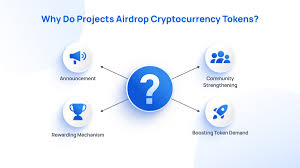
    Crypto airdrops are a popular way for new cryptocurrency projects to get noticed. Think of it like a store giving away free samples. They hope you’ll like the sample and then buy more.

    Projects do this to build buzz. They also want to get their tokens into the hands of many people. This can help make their coin more valuable later.

    When a project is about to launch, it might have a limited supply of its new digital coins. Instead of selling all of them, they give some away for free. This is the airdrop.

    To get these free coins, you usually have to do a few simple things.

    These tasks are often about spreading the word. You might need to follow the project on social media. Or you might have to join their Telegram group or Discord server.

    Sometimes, you’ll need to share a post or invite friends. The goal is to increase the project’s visibility and community size.

    The coins you receive are often called tokens. These tokens can have value later. Sometimes they become valuable if the project is successful.

    Other times, they might be worth a small amount right away. It all depends on the project and the crypto market.

    It’s important to know that not all airdrops are valuable. Some projects may not take off. Their tokens might end up being worth very little.

    Others could be scams. They might trick you into giving them your personal information or even your existing crypto.

    So, while airdrops offer a chance for free crypto, you must be careful. Research is key. Always check out the project behind the airdrop.

    See if it looks legitimate. Look at their website and their team. Do they have a clear plan?

    This research will help you avoid wasting your time or falling for a scam.

    Why Telegram is a Hub for Airdrops

    Telegram has become a go-to app for crypto news and opportunities. Why is that? Well, it has some great features.

    For starters, Telegram allows for large group chats. This means thousands of people can join a single channel. This is perfect for projects wanting to reach a big audience quickly.

    These channels act like digital bulletin boards. Project creators can post updates. They can share links to their airdrop forms.

    They can also answer questions from potential participants in the group chat. This direct line of communication is very helpful.

    For users, it’s easy to find everything in one place. Instead of visiting dozens of websites, you can get updates from your favorite airdrop channels. You can turn on notifications.

    Then you’ll know right away when a new airdrop is announced.

    Telegram also supports bots. These bots can help manage channels. They can even help users participate in airdrops.

    For example, a bot might guide you through the steps. It could ask you to verify you’ve completed certain tasks. This makes the process smoother for everyone.

    The speed of information on Telegram is another big plus. New airdrops pop up all the time. Crypto news moves fast.

    Telegram’s instant messaging format means you get information almost as soon as it’s posted. This is vital when airdrops have limited spots or deadlines.

    Because so many people are already on Telegram for crypto, it makes sense for projects to be there too. It’s where their target audience hangs out. They can easily find interested users.

    This creates a self-reinforcing cycle. More projects use Telegram, so more users join Telegram for crypto. And more users on Telegram means more projects will use it.

    However, this popularity also means there’s a lot of noise. Many channels exist. Not all are good.

    Some might be outdated. Some might be scams. You need to learn how to spot the good ones.

    You need to know what to look for to avoid trouble.

    Key Telegram Features for Airdrops

    Large Group Sizes: Channels can have many members. This helps projects reach a wide audience.

    Bots: Can automate tasks and help manage airdrop participation.

    Instant Messaging: Fast delivery of new airdrop opportunities.

    Centralized Hub: Users can follow multiple projects and opportunities from one app.

    Direct Communication: Projects can interact with their community easily.

    How to Find Reputable Telegram Airdrop Channels

    Finding good Telegram airdrop channels is like searching for a needle in a haystack. You have to be smart about it. Here’s how I usually start my search.

    It’s a mix of looking for signs and doing a little digging.

    First, ask your crypto friends. If you know anyone else into crypto, they might have a few channels they trust. Word-of-mouth is often the best way to find solid leads.

    People who have had good experiences can point you in the right direction. This is a great starting point because it comes from a trusted source.

    Next, look at crypto news sites and popular crypto influencers. Many reputable crypto websites and well-known figures in the space will mention good airdrop channels. They might even run their own channels or collaborate with specific ones.

    Check their social media or blogs for recommendations.

    When you find a channel, look at the number of members. A channel with millions of members might seem great. But it could also mean a lot of spam or inactive users.

    Sometimes, smaller channels with tens of thousands of members are more active and have better-curated content. Look for a balance.

    Check the channel’s activity. How often do they post? Are the posts relevant?

    Do they share a mix of airdrops and other useful crypto news? A channel that posts daily with valuable information is usually a good sign. If a channel posts once a month or only shares links that look sketchy, move on.

    Read the comments in the channel if they are enabled. What are other users saying? Are people discussing the airdrops positively?

    Are they sharing success stories? Or are there many complaints about scams or broken links? This gives you a real feel for the community and the channel’s quality.

    Look at the channel’s history. Has it been around for a while? Channels that have been active for months or years are generally more trustworthy than brand new ones.

    Scammers often create new channels quickly and disappear just as fast.

    Examine the types of airdrops shared. Do they share a variety? Do they include reputable projects?

    Or do they only post links to obscure, unknown coins that sound too good to be true? A good channel will share a range of opportunities, some small, some potentially bigger.

    Be wary of channels that promise guaranteed riches or ask for money upfront. No legitimate airdrop will ever ask you to pay a fee to receive tokens. If a channel has a lot of “get rich quick” language, it’s a red flag.

    Channel Vetting Checklist

    • Recommendations: Do friends or trusted sources suggest it?
    • Member Count: Is it reasonable and active?
    • Posting Frequency: Do they post useful content often?
    • Comment Section: What do other users say?
    • Channel Age: Has it been active for a significant time?
    • Airdrop Variety: Do they share diverse and seemingly legitimate opportunities?
    • No Promises of Riches: Does the channel avoid hype and guaranteed wins?

    How to Participate Safely in Airdrops

    Participating in crypto airdrops can be exciting. It feels like getting a little bonus for being an early supporter. But safety should always be your top priority.

    I learned this the hard way early on. I almost fell for a phishing scam that looked just like a real airdrop.

    The most important rule is: Never share your private keys or seed phrases. Your private keys are like the master password to your crypto wallet. If someone gets them, they can take all your coins. Legitimate airdrops will never ask for this information.

    If a site or bot asks for it, it’s a scam, period.

    Use a dedicated crypto wallet for airdrops. Don’t use your main wallet that holds a lot of crypto. A good practice is to create a new, separate wallet just for participating in airdrops.

    This way, if something goes wrong with one airdrop, your main funds are safe.

    Set up a new email address just for airdrops. This helps keep your main inbox clean. It also makes it easier to track airdrop-related communications.

    And it helps if one of these airdrop emails turns out to be spam or a phishing attempt. You can just delete the whole account if needed.

    Be careful with links. Always check the URL before you click. Scammers create fake websites that look very similar to real ones.

    They use slightly different spellings or domain names. Hover over links to see the actual URL. If it looks suspicious, don’t click it.

    Do your own research on the project. Before you do any tasks, visit the project’s official website. Read their whitepaper.

    Check out their social media. Do they seem like a real company with a real plan? Or is it just a few vague promises?

    A quick search on Google for the project name plus “scam” or “review” can also be very insightful.

    Understand the tasks required. Most airdrops ask you to join social media groups, retweet posts, or follow accounts. These are generally safe.

    Be cautious if an airdrop asks you to deposit crypto into a certain wallet to “verify” your participation or to “unlock” your tokens. This is almost always a scam. You will lose your deposited funds.

    Set up two-factor authentication (2FA) on all your crypto exchange accounts and important online services. This adds an extra layer of security. Even if someone gets your password, they can’t log in without your second factor, like a code from your phone.

    Don’t share too much personal information. Some airdrops might ask for your full name or date of birth. While this might be for KYC (Know Your Customer) purposes for some larger projects, be very selective.

    Avoid airdrops that ask for sensitive information beyond what is strictly necessary for the tasks.

    Be patient. Tokens from airdrops don’t usually appear in your wallet instantly. It can take days, weeks, or even months.

    Don’t fall for messages claiming your tokens are ready but you need to pay a fee to claim them. This is a common scam tactic.

    Airdrop Safety Do’s and Don’ts

    DO: Use a separate wallet for airdrops.

    DO: Create a dedicated email for airdrops.

    DO: Verify website URLs carefully.

    DO: Research the project thoroughly.

    DO: Enable 2FA on all accounts.

    DON’T: Ever share private keys or seed phrases.

    DON’T: Pay fees to claim airdrop tokens.

    DON’T: Click suspicious links.

    DON’T: Deposit crypto to “verify” participation.

    DON’T: Share excessive personal information.

    Types of Airdrops You Might Find

    Not all airdrops are created equal. They come in different forms. Knowing what to expect can help you choose which ones to focus on.

    Here are some common types you’ll see mentioned in Telegram channels:

    Standard Airdrops: These are the most common. You usually have to complete a few simple tasks. This might involve joining a Telegram group, following on Twitter, retweeting a post, or joining their Discord.

    Once you complete these, you’re entered to receive tokens. The tokens are then distributed to your wallet at a later date.

    Bounty Airdrops: These are similar to standard airdrops but often involve more specific or ongoing tasks. You might get rewarded for finding bugs on their website, writing articles about the project, creating video reviews, or helping with translation. These can sometimes offer higher rewards for more effort.

    Holder Airdrops: These airdrops are for people who already hold a specific cryptocurrency. For example, a new project might announce an airdrop to anyone holding a certain amount of another popular coin. The project team takes a snapshot of the blockchain at a specific time to see who holds the required coins.

    Then, they distribute their new tokens to those holders.

    Event Airdrops: Sometimes, airdrops are tied to specific events. This could be a project’s mainnet launch, a significant partnership announcement, or even a holiday. These are usually time-limited and might require you to be active during the event.

    Exclusive/Invite-Only Airdrops: Some projects create a buzz by offering exclusive airdrops. You might need an invitation code from an existing member or meet certain criteria to join. These are less common in public Telegram channels but can sometimes be mentioned.

    NFT Airdrops: While not strictly crypto tokens, these airdrops give away non-fungible tokens (NFTs). NFTs are unique digital assets. An NFT airdrop might be a way for a project to reward early supporters or build a community around digital art or collectibles.

    Staking Airdrops: If you stake (lock up) certain cryptocurrencies on a platform, you might be eligible for airdrops from projects that want to reward stakers. This is often a way for projects to encourage participation in decentralized networks.

    When you see airdrops listed in a Telegram channel, they will often specify the type and the required tasks. Always read the description carefully to understand what’s expected of you and what the potential reward is.

    Common Airdrop Types

    Standard: Basic social media tasks required.

    Bounty: More effort, ongoing tasks, potentially higher rewards.

    Holder: Reward for holding specific other cryptocurrencies.

    Event: Tied to a special project milestone or date.

    Exclusive: Requires invitation or special qualification.

    NFT: Distributes unique digital collectibles.

    Staking: For users who stake other crypto assets.

    What to Do When You Receive Airdrop Tokens

    So, you’ve participated in a few airdrops. You’ve followed the safety tips. And now, you see tokens appearing in your wallet!

    That’s a great feeling. But what’s next? You have a few options.

    And it’s important to think about them carefully.

    First, identify the token. Is it a token you recognize? If not, do a quick search for its name.

    Find its official website or CoinMarketCap/CoinGecko page. This will tell you if it’s a legitimate project. It also tells you if the token has any current trading value.

    Option 1: Hold (HODL)

    This is a very common strategy in crypto. HODL is a play on the word “hold.” It means you believe the token’s value will increase over time. If the project behind the token is strong and develops well, its price could go up significantly.

    You’d be keeping the tokens for the long term, hoping for future gains.

    This strategy works best for tokens from projects you genuinely believe in. If you’ve done your research and think the team has a good vision, holding makes sense. It requires patience.

    You need to be comfortable with the possibility that the price might not go up, or it might even go down.

    Option 2: Sell Immediately

    Some people prefer to sell their airdropped tokens as soon as they can. The idea here is to “cash out” whatever small value they have right away. This is a risk-averse approach.

    You guarantee yourself a small profit, no matter what happens to the token later.

    To sell, you’ll need to find out which exchange lists the token. You’ll then need to transfer the tokens from your wallet to that exchange. Be aware that many new tokens have very low trading volumes at first.

    This means it might be hard to sell them for the price you want, or you might have to sell them at a loss.

    Option 3: Trade for Other Crypto

    Instead of selling for fiat currency (like USD), you might trade your airdrop tokens for another cryptocurrency you believe in more. For example, you might trade them for Bitcoin (BTC) or Ethereum (ETH). This is similar to selling immediately but allows you to consolidate your holdings into more established assets.

    This requires checking which tokens the airdrop token can be traded against on exchanges. You’ll still need to transfer them to an exchange. The value you get will depend on the market price at that moment.

    Option 4: Use Them If the Project Has Utility

    Some tokens are designed to be used within the project’s ecosystem. For example, a token might give you access to special features, allow you to vote on proposals, or be used to pay for services on a platform. If the airdropped token has such utility, you might choose to keep it to use it as intended.

    This is often the most rewarding way to use tokens if the project is active and useful. It means you’re actively participating in the ecosystem rather than just holding or selling.

    Important Considerations:

    Taxes: In many countries, including the U.S., receiving crypto airdrops is considered taxable income. You may need to report the value of the tokens when you receive them and again when you sell or trade them. It’s wise to consult with a tax professional who understands cryptocurrency.

    Fees: Be aware of transaction fees (gas fees) when sending tokens from your wallet to an exchange or another wallet. These fees can sometimes be higher than the value of the tokens themselves, especially for smaller airdrops.

    Scams: Even after receiving tokens, be wary of unsolicited messages offering to “help” you sell them or “double” your holdings. Stick to reputable exchanges and official project channels for information.

    What to Do With Your Airdropped Tokens

    Identify: Know what token you received and its project.

    Hold: Keep for potential future value increase.

    Sell: Convert to cash or stablecoins immediately.

    Trade: Swap for other cryptocurrencies like BTC or ETH.

    Use: If the token has utility within a project’s platform.

    Remember: Tax implications and transaction fees.

    The Downsides and Risks of Airdrop Channels

    While Telegram airdrop channels can be a great way to find free crypto, it’s crucial to talk about the downsides. It’s not all free money and easy gains. I’ve seen friends get burned, and I’ve had my own close calls.

    Understanding the risks can save you a lot of trouble.

    Scams are Rampant. This is the biggest risk. Scammers are everywhere in the crypto world. They use Telegram channels to spread fake projects.

    They might create phishing links. These links look like legitimate websites but are designed to steal your wallet keys or personal data. Some scams are very sophisticated, making them hard to spot.

    Time and Effort. Participating in airdrops takes time. You have to join groups, follow pages, and sometimes answer quizzes. If you join too many channels, you can get overwhelmed.

    The effort you put in might not always result in valuable tokens. Sometimes the reward is very small for the time spent.

    Low Value Tokens. Many airdropped tokens end up having very little value. Projects might fail to gain traction. Or the token supply might be so large that each token is worth fractions of a cent.

    You might spend time collecting tokens that are essentially worthless.

    Privacy Concerns. To participate, you often have to link your social media accounts or provide an email address. While many airdrop channels are reputable, some less ethical ones might misuse your data. You could end up on spam lists or have your information shared without your consent.

    Technical Glitches and Errors. Sometimes, the bots or websites used for airdrops don’t work correctly. You might complete all the tasks, but the system might not register it. This can be frustrating.

    Or, the tokens might not be distributed correctly, leading to missing rewards.

    Regulatory Uncertainty. The cryptocurrency space is still evolving. Regulations are changing. Some tokens distributed through airdrops might face future regulatory issues.

    This could affect their value or legality.

    Information Overload. Popular Telegram channels can have hundreds of messages a day. It becomes hard to keep up. You might miss important announcements or opportunities because of the sheer volume of posts.

    It requires active management to sift through the noise.

    Exchange Listing Uncertainty. Even if a token has value, it might not be listed on major exchanges. This makes it difficult to sell or trade. You might be stuck with tokens you can’t easily liquidate.

    Sometimes, tokens are only listed on obscure decentralized exchanges (DEXs) with high trading fees.

    It’s essential to approach airdrops with realistic expectations. View them as a chance for a small bonus, not a primary way to make money. Always prioritize your security and do thorough research.

    If something feels off, it probably is.

    Tips for Maximizing Your Airdrop Success

    Want to get the most out of your efforts in finding crypto giveaways? It’s all about being smart and strategic. I’ve learned a few tricks over the years that have helped me.

    It’s not just about joining every channel; it’s about joining the right ones and being prepared.

    1. Focus on Quality over Quantity. Instead of joining 50 average channels, pick 5-10 that are highly recommended and consistently share good opportunities. This reduces the noise and lets you focus on the best airdrops.

    It also saves you time and mental energy.

    2. Use a Dedicated Crypto Wallet. I can’t stress this enough. Use a wallet like MetaMask, Trust Wallet, or Phantom (for Solana) that you set up specifically for airdrop participation.

    Load it with only a small amount of crypto for potential transaction fees if needed. Never link your main, high-value wallet.

    3. Set Up a Separate Email and Social Media Accounts. Have a dedicated email address for airdrop sign-ups. Consider creating separate Twitter or Reddit accounts if you’re worried about spamming your main profiles.

    This keeps things organized and protects your primary online identity.

    4. Automate Tasks Where Possible (Safely). Some airdrop platforms offer tools to connect your social media. Use these with caution and only after vetting the platform.

    For tasks like joining Telegram groups or Discord servers, it’s often a manual but quick process.

    5. Track Your Participation. Keep a simple spreadsheet. Note down the airdrops you’ve joined, the tasks completed, the date, and any rewards you expect.

    This helps you follow up and remember which projects you’ve interacted with. It’s also useful for tax purposes later.

    6. Understand the Token’s Utility and Value Proposition. Don’t just collect random tokens. When you participate, take a minute to understand what the project does.

    Does it solve a real problem? Does the token have a clear use case? Projects with strong utility have a better chance of long-term success.

    7. Be Patient with Distributions. Airdrop tokens don’t appear overnight. It can take weeks or months.

    Don’t get discouraged if you don’t see them immediately. Avoid scams that promise to “speed up” your distribution for a fee.

    8. Engage with Promising Projects. If a project seems particularly interesting, engage with their community on Discord or Telegram. Ask questions, provide feedback.

    Sometimes, active community members get extra rewards or early access to opportunities.

    9. Stay Informed About Crypto Trends. Knowing which blockchain ecosystems are popular (like Ethereum, Solana, Polygon, Binance Smart Chain) can help you identify promising airdrops. Projects launching on these chains often have better potential.

    10. Learn About Gas Fees. For airdrops on networks like Ethereum, you might need ETH to pay for transaction fees. Understand how gas fees work.

    Sometimes, it’s better to skip an airdrop if the potential reward is less than the gas cost to participate or claim.

    Airdrop Success Strategies

    • Curate Channels: Focus on a few top-tier channels.
    • Secure Wallets: Use dedicated, separate crypto wallets.
    • Organize Info: Use dedicated email and social media.
    • Track Progress: Keep a spreadsheet of your participation.
    • Research Projects: Understand token utility and team vision.
    • Be Patient: Await token distributions.
    • Engage Community: Interact with projects you like.
    • Monitor Trends: Follow popular blockchain ecosystems.
    • Manage Fees: Understand and budget for transaction costs.

    The Future of Airdrops and Telegram Channels

    What does the future hold for crypto airdrops and the Telegram channels that promote them? It’s a fast-moving space. Things are always changing.

    But I can see a few trends shaping up. It’s likely to become more sophisticated. And perhaps, a little harder to navigate.

    We’ll probably see more advanced methods of distributing tokens. Instead of just simple social media tasks, projects might use more complex proof-of-humanity systems. They might reward early users of their actual products or services.

    This moves airdrops from just marketing into actual product adoption.

    The use of blockchain technology itself for airdrops will likely increase. Smart contracts can manage the distribution automatically and transparently. This can reduce the need for third-party bots or websites, potentially making things more secure.

    Telegram channels will likely remain a key communication tool. Their ability to host large communities and deliver information quickly is hard to beat. However, the signal-to-noise ratio might become even more important.

    Finding truly valuable channels will require more discernment.

    Expect to see more regulatory scrutiny. As the crypto space grows, governments worldwide are looking at how to regulate it. This could impact how airdrops are conducted, especially those involving tokens that might be considered securities.

    Projects may need to implement stricter KYC procedures, making participation less accessible.

    The rise of decentralized autonomous organizations (DAOs) might also influence airdrops. DAOs often reward their members with tokens. Participation in DAO governance could become a new form of airdrop.

    Telegram channels might evolve to cover these opportunities as well.

    Gamification is another trend. Projects might integrate more game-like elements into their airdrop campaigns. This could involve quests, leaderboards, or exclusive challenges to make participation more engaging and fun.

    However, the constant threat of scams will likely persist. As new methods emerge, so will new scam tactics. The need for individual due diligence and a healthy dose of skepticism will remain paramount.

    Staying educated and cautious is the best defense.

    Overall, airdrops are likely to continue evolving. They will probably become a more integrated part of project launches. Telegram channels will adapt.

    They will continue to be a place to discover these opportunities. But users will need to be more savvy than ever to navigate the landscape effectively and safely.

    Frequently Asked Questions about Telegram Airdrop Channels

    What is a crypto airdrop?

    A crypto airdrop is when a cryptocurrency project gives away free tokens to its community members. This is often done as a marketing strategy to promote a new coin or blockchain network.

    Are Telegram airdrop channels safe?

    Some Telegram airdrop channels are safe and reputable, while others can be scams. It is crucial to do your own research and follow safety guidelines to avoid fraudulent activities.

    What are the common tasks for participating in an airdrop?

    Common tasks include joining a project’s Telegram group or Discord server, following them on social media like Twitter, retweeting posts, or referring friends. Some may require more advanced tasks.

    Do I need to pay to receive airdrop tokens?

    No, legitimate airdrops are free. If a channel or project asks you to pay a fee to receive tokens, it is almost certainly a scam.

    How do I protect my cryptocurrency from airdrop scams?

    Never share your private keys or seed phrase. Use a separate wallet for airdrops. Be wary of suspicious links and always research the project before participating.

    How long does it take to receive airdrop tokens?

    The time frame varies greatly. Tokens can take anywhere from a few days to several months to be distributed after an airdrop campaign ends.

    What should I do if I suspect an airdrop channel is a scam?

    Leave the channel immediately. Do not click any links or provide any personal information. Report the channel to Telegram if possible.

    Inform others in the crypto community about the scam to prevent them from falling victim.

    Final Thoughts on Airdrop Channels

    Navigating the world of Telegram airdrop channels can be both rewarding and challenging. It offers a fantastic opportunity to get free crypto. But it demands careful research and a strong focus on security.

    By using reliable channels and following best practices, you can increase your chances of finding legitimate giveaways and protect yourself from common scams. Remember, patience and due diligence are your best friends in this space.

  • Discord Communities For Airdrops

    Discord Communities For Airdrops

    Discord communities are often the first place you’ll hear about crypto airdrops. These are groups where projects share updates and connect with users. By joining, you can learn about new opportunities and how to participate.

    It’s a good way to stay informed in the fast-moving crypto world. Always be careful, as not all opportunities are real.

    What Are Crypto Airdrops and Why Do They Matter?

    Crypto airdrops are a way for new blockchain projects to give away their tokens. They do this to build a community and spread awareness. Think of it like a free sample for a new product, but with digital currency.

    Projects often give these tokens to early users or people who help promote them.

    These tokens can become valuable later on. Some airdrops have given people hundreds or even thousands of dollars worth of crypto. That’s why so many people look for them.

    It’s a way to get started in crypto without investing your own money. It also helps projects get noticed by real users.

    My First Airdrop Hunt: A Tale of Too Much Hope and Too Little Caution

    I remember my first real dive into the airdrop world. It was a few years back. A friend told me about this amazing new project.

    They said it was going to be huge. All I had to do was join their Discord, follow them on Twitter, and retweet a post. Easy, right?

    I spent hours doing all the steps. I felt so smart. Then, I waited.

    And waited. The project announced their token launch. But there was no airdrop for people like me.

    It turned out the giveaway was only for people who bought their special NFT. I had been so focused on the free tokens, I missed the real requirements. I felt a bit silly, but I learned a big lesson that day.

    Always read the fine print!

    Finding Genuine Airdrop Communities

    Look for active chats. A good community has lots of people talking. They ask questions and share info. It’s not just bots or one-way announcements.

    Check project legitimacy. Does the project have a website? Is there a whitepaper? These are important documents.

    They explain what the project does.

    See what others say. Search for reviews or discussions about the project online. Are there many complaints?

    Beware of hype. If something sounds too good to be true, it probably is. Lots of empty promises are a bad sign.

    Where to Find These Discord Communities

    So, where do you actually find these digital gathering spots? It’s not usually just a random search. Several platforms and methods can point you in the right direction.

    Many airdrop hunters share their finds on other social media. Twitter is a big one. Look for hashtags like #airdrop, #cryptoairdrop, or #giveaway.

    People often tweet links to Discord servers.

    Websites that track crypto news and airdrops are also great resources. They often list active communities. Some of these sites even give a rating for how likely an airdrop is to be real.

    You can also ask in general crypto chat groups. Someone might share a link to a promising Discord server. It’s all about putting in the effort to look.

    The key is to be a bit of a detective. You’re not just looking for any link. You’re looking for a link to a community that genuinely wants to share its project with you.

    This takes patience. But when you find a good one, it’s worth it.

    Airdrop Community Checklist

    • Verified Project: Official website, whitepaper, social media presence.
    • Active Communication: Regular updates, engaged moderators, community questions answered.
    • Clear Rules: Guidelines for participation and behavior.
    • Transparency: Open about tokenomics and distribution plans.
    • Realistic Promises: Avoids guarantees of massive profits.

    Understanding the Structure of an Airdrop Discord Server

    Once you join a Discord server for airdrops, it can seem a bit overwhelming at first. These servers are usually split into different “channels.” Channels are like separate chat rooms for specific topics. You’ll find channels for announcements.

    This is where the project team posts important news.

    There will likely be a general chat channel. This is for all sorts of conversations. You might also see channels for support or FAQs.

    These are helpful if you have questions. For airdrops, there’s often a dedicated channel. It might be called #airdrop, #tasks, or #giveaway.

    This is where you’ll find the steps you need to take.

    Some servers have channels for feedback or suggestions. These let you share your thoughts on the project. Always take a moment to look around and see what channels are available.

    Reading the rules channel is also very important. It tells you what you can and cannot do. This helps you avoid getting kicked out.

    The layout helps keep things organized. It means you can quickly find the information you need. You don’t have to scroll through endless messages.

    It’s like having different sections in a newspaper. Each section is for a different kind of story. This structure makes it easier to participate.

    Common Discord Channels for Airdrops

    #announcements: Official news and updates from the project team.

    #general-chat: Open discussion among community members.

    #airdrop-tasks / #giveaway: Details on how to earn tokens.

    #support / #help: Get assistance with issues.

    #faq: Frequently asked questions and their answers.

    #rules: Community guidelines and server policies.

    How Airdrop Tasks Usually Work

    The tasks for airdrops are designed to help the project grow. They are usually pretty straightforward. Common tasks include things like joining the project’s Twitter page and following it.

    You might also need to retweet a specific post. Sometimes, you’ll be asked to join their Telegram group or another Discord server.

    Other tasks can involve verifying you have a crypto wallet. You might need to enter your wallet address on a specific website. It’s important to use a wallet that is safe.

    A common one is MetaMask. Always make sure you are on the correct website. Scammers create fake sites to steal your info.

    Some airdrops require you to hold a certain token or NFT. This shows you are a supporter. Others might ask you to invite friends to their Discord.

    The more people you involve, the more the project gets known. Always read the instructions very carefully. Double-check every step before you submit anything.

    The goal is simple: get the word out. For the project, it’s free marketing. For you, it’s a chance to get free crypto.

    It feels like a win-win when done right. Just remember to stay alert and protect your personal information and crypto assets.

    Typical Airdrop Task Examples

    Task Purpose
    Follow on Social Media (Twitter, etc.) Increase brand awareness.
    Retweet/Share Content Amplify project announcements.
    Join Telegram/Discord Build a direct community.
    Provide Wallet Address To receive tokens.
    Refer Friends Expand user base.

    Navigating the Minefield: Spotting Scams and Red Flags

    This is the most important part. The crypto space attracts many people, and sadly, it also attracts scammers. They want to take your digital coins or your personal information.

    You have to be very careful. One of the biggest red flags is when a project asks you to send them crypto first. Legitimate airdrops never ask you to pay to receive tokens.

    Be wary of offers that promise guaranteed huge returns. If it sounds too easy or too good to be true, it almost always is. Scammers often create fake accounts or bot-like behavior in chats.

    If someone DMs you out of the blue with a “special offer,” be very suspicious. Official project staff will usually announce things through official channels, not private messages.

    Check the project’s team. Are they public figures? Do they have a track record?

    Anonymous teams can be a risk. Also, look at the engagement in the Discord. Is it just a lot of “gm” (good morning) or “nice” messages?

    Real discussion is a good sign. Empty chatter can mean bots are being used to fake activity.

    Fake websites are another common trick. They look just like the real project website. But a tiny difference in the web address can mean you’re on a scam page.

    Always double-check URLs. Never click on links sent directly to you unless you are absolutely sure they are safe. Stick to official announcements and known sources.

    Airdrop Scam Red Flags

    Requesting Upfront Payment: Legitimate airdrops are free.

    Guaranteed High Returns: Unrealistic promises are a sign of a scam.

    Urgent Requests: Scammers create a sense of urgency to rush you.

    Private Messages with Offers: Official communication is usually public.

    Suspicious Links: Always verify URLs before clicking.

    Anonymous Teams: Lack of public team members can be a risk.

    Protecting Your Digital Wallet and Information

    Your digital wallet is like your real-world bank account. You need to protect it. Never share your private keys or seed phrase with anyone.

    This is the master key to your wallet. If someone gets it, they can take all your crypto. No legitimate project or airdrop will ever ask for this information.

    Use strong, unique passwords for all your online accounts, including Discord. Enable two-factor authentication (2FA) wherever possible. This adds an extra layer of security.

    For Discord, this means even if someone gets your password, they still need your phone or an authenticator app code to log in.

    Be careful about what you connect your wallet to. When you participate in an airdrop, you might be asked to connect your wallet to a website. Make sure you trust the website.

    Only approve transactions that you understand. Scammers can try to trick you into signing malicious transactions.

    Consider using a separate wallet just for airdrop activities. This way, if something goes wrong, your main wallet with significant funds is safe. Always do your own research (DYOR) before trusting a community or a project.

    Your security is your responsibility. It’s better to be safe than sorry.

    Wallet Security Best Practices

    Never Share Seed Phrase/Private Keys: These are your lifeline.

    Use Strong Passwords & 2FA: Secure all your accounts.

    Verify Website URLs: Scammers create fake sites.

    Approve Only Known Transactions: Be cautious about what you sign.

    Use Separate Wallets for Airdrops: Limit potential losses.

    Real-World Scenarios: What to Expect in Communities

    Let’s picture a typical day on a good airdrop Discord server. You log in, and the #announcements channel has a new post. It details an upcoming task.

    The project is launching a new feature. To celebrate, they are giving away tokens to users who test it and give feedback. The post outlines the steps: sign up for the beta, try the feature, report bugs in the #feedback channel, and submit your wallet address.

    In #general-chat, people are discussing the new feature. Some are sharing their early thoughts. Others are asking for clarification on the task.

    A moderator pops in to answer questions and encourage discussion. You see a user asking, “How do I know if my feedback is good enough?” Another user replies, “Just be honest about your experience. Point out anything confusing or broken.”

    Later, you might see a few posts in #support. Someone is having trouble connecting their wallet. A moderator or another community member offers advice.

    They might suggest checking browser extensions or trying a different browser. This back-and-forth is normal. It shows people helping each other learn and participate.

    The overall vibe in a healthy community is helpful and engaged. There’s excitement about the project. People are working together to achieve the goals set by the project team.

    It feels like being part of something new that’s trying to grow. You’re not just getting free tokens; you’re becoming part of a developing ecosystem.

    Observational Flow in a Good Airdrop Community

    Morning: Project team posts about a new task or update.

    Midday: Community members discuss the task, ask questions, and share initial thoughts.

    Afternoon: Moderators engage, providing support and clarifications.

    Evening: Users share feedback or report issues encountered.

    Ongoing: A sense of shared purpose and helpfulness.

    What the Discord Airdrop Scene Means for You

    Joining Discord communities for airdrops can be a fun and potentially rewarding experience. It’s a gateway to learning about new crypto projects. You get to see them in their early stages.

    This can give you insights into their potential. Sometimes, these communities are the first place to get news about a project’s future plans.

    When is it normal? It’s normal to spend time learning about projects. It’s normal to complete tasks that help a project grow.

    It’s also normal to interact with other members and learn from them. The potential reward is getting free tokens that might gain value.

    When should you worry? You should worry if a community seems too quiet, or if the only messages are about scams. You should worry if the project team is not transparent.

    Or if they make demands that feel unsafe. If you feel pressured to do something you’re not comfortable with, that’s a big warning sign. Always trust your gut feeling.

    Simple checks include looking at the number of members versus active users. Are there thousands of members but only a few talking? That’s a flag.

    Is the project constantly changing its rules or goals? That can be a sign of instability or a scam being put together. Stay vigilant, and you’ll have a much better experience.

    Normal vs. Concerning Airdrop Community Signs

    Normal: Active discussions, helpful members, clear task instructions, transparent team.

    Concerning: Lots of bots, constant “too good to be true” offers, unclear goals, anonymous teams, pressure tactics.

    Quick Tips for Airdrop Success

    Here are some simple, actionable tips to help you get the most out of your airdrop hunting on Discord.

    • Be Patient: Big rewards often take time. Don’t get discouraged if you don’t see results immediately.
    • Be Honest: Complete tasks truthfully. Providing false information can disqualify you.
    • Engage Thoughtfully: Don’t just spam messages. Ask relevant questions. Offer constructive feedback.
    • Stay Organized: Keep track of which airdrops you’ve joined and what tasks you’ve completed. A simple spreadsheet works well.
    • Learn Continuously: The crypto space changes fast. Keep learning about new projects and security best practices.
    • Set Limits: Decide how much time you’re willing to spend. Airdrop hunting can be time-consuming.

    Frequently Asked Questions About Discord Airdrops

    Are Discord communities the only place for airdrops?

    No, Discord communities are a major hub, but you can also find airdrops announced on Twitter, Telegram, specific crypto news sites, and project websites. However, Discord is often where the most detailed information and community interaction happen.

    How long does it take to receive airdrop tokens after completing tasks?

    This varies greatly. Some projects distribute tokens within days or weeks of task completion. Others might wait until their mainnet launch, which can take months.

    Always check the project’s announcement for their estimated timeline.

    Can I join multiple Discord communities for airdrops?

    Yes, you can join as many communities as you like. However, it’s wise to focus your efforts on a few legitimate projects rather than spreading yourself too thin across many that might be scams.

    What if I make a mistake in an airdrop task?

    If you realize you made a mistake, especially with your wallet address or a submission, check the community’s support or FAQ channels. Sometimes, moderators can help if it’s a simple error. However, for critical mistakes like sending crypto to a scammer, there’s usually no recourse.

    How do I know if a project is truly valuable, not just a pump-and-dump?

    Look for a strong development team, a clear use case for their technology, a well-defined roadmap, and genuine community engagement that goes beyond just hype. Projects with solid fundamentals tend to be more sustainable.

    Is there a risk of getting my Discord account hacked?

    Yes, like any online account, Discord can be targeted. Using strong passwords, enabling 2FA, and being wary of suspicious links or direct messages are crucial steps to protect your Discord account. Never share your Discord password.

    Final Thoughts on Your Airdrop Journey

    Embarking on the airdrop hunt via Discord communities can be an exciting part of your crypto adventure. It’s a place to learn, connect, and potentially earn. Remember to stay curious but cautious.

    Always prioritize security. With patience and a watchful eye, you can find many legitimate opportunities.

  • Twitter Accounts For Airdrops

    Twitter Accounts For Airdrops

    The best Twitter accounts for airdrops are those that consistently share verified, legitimate opportunities with clear instructions. They focus on providing timely updates, often highlighting new projects and their token distribution plans. Look for accounts that prioritize user safety and offer detailed guides on how to participate without falling for scams.

    What Are Crypto Airdrops on Twitter?

    Crypto airdrops are a way for new blockchain projects to give away free tokens. It’s like a digital handout. Projects do this to spread the word about their new coin or platform.

    They want more people to know about them and use their service. Sometimes, you get these free tokens just for holding another crypto coin. Other times, you need to do a small task.

    This could be following them on social media, joining their Telegram group, or signing up for their newsletter.

    Twitter has become the main place for these announcements. It’s fast and reaches a lot of people. Many crypto projects choose Twitter to share their airdrop news.

    They want to build hype. They also want to gather a community of early supporters. This is where the challenge comes in.

    There are so many accounts talking about airdrops. Not all of them are good. Some can even be scams designed to steal your crypto or personal information.

    Finding the trustworthy ones is key to success.

    Why do projects even do this? It’s a marketing strategy. Giving away free tokens helps them reach a wider audience quickly.

    It also helps them decentralize their token distribution. This means more people own the tokens from the start. For users, it’s a chance to get free crypto without buying it.

    It’s like finding money on the street, but you have to know where to look. And on Twitter, knowing who to follow is like having a map to that treasure.

    The process usually starts with a project launching. Before their main launch or after, they announce an airdrop. They will typically create a post on Twitter.

    This post will have details. It will say what you need to do. It will also tell you when you will get the tokens.

    Sometimes there’s a link to a website. This website will guide you through the steps. You might need to connect your crypto wallet.

    This is where you need to be very careful. Only connect to trusted sites.

    My Own Airdrop Hunting Journey

    I remember when I first started looking into crypto airdrops. It was about three years ago. I was deep into reading about Bitcoin and Ethereum.

    Then I stumbled upon a forum talking about free tokens. My ears perked up. Free money?

    Sign me up! I jumped onto Twitter. I typed in “crypto airdrop” and hit search.

    What I saw was overwhelming. Hundreds of accounts. Many with flashy graphics.

    Lots of promises of big returns.

    I clicked on a few. Some seemed okay. They had tons of followers.

    They talked about new coins. But then I saw one post. It said “Claim FREE ETH now!

    Click here!” The link looked a little off. I almost clicked it. Thankfully, I hesitated.

    I did a quick search for the account. It had only been created a week before. It had very few followers.

    That’s when the alarm bells went off in my head. This felt like a trap.

    I felt a bit scared. But also more determined. I realized that just searching wasn’t enough.

    I needed a smarter way to find good sources. I started looking for accounts that focused on quality over quantity. I looked for accounts that were older.

    They had a history of sharing real opportunities. I noticed they didn’t make crazy promises. They talked about projects that were actually building things.

    They also explained why a project was interesting, not just that it was giving away tokens.

    One account, in particular, became my go-to. They would post about an airdrop. Then they would add a link to the project’s official website.

    They would also explain the steps clearly. They’d mention any risks involved. They even had a section in their bio that said “We do not ask for your private keys.” This was huge for trust.

    I learned that patience and careful checking were way more important than being the first to click. It took time, but I found a few reliable sources that made my airdrop hunting much easier and safer.

    Key Traits of Trustworthy Airdrop Twitter Accounts

    Consistent Updates: They post regularly about new airdrops.

    Verification Focus: They try to confirm the legitimacy of projects.

    Clear Instructions: They explain how to get the tokens step-by-step.

    Safety Warnings: They alert you to common scam tactics.

    Community Engagement: They often reply to questions and interact with followers.

    No Private Key Requests: They never ask for your wallet’s private key or seed phrase.

    How to Find Reputable Airdrop Twitter Accounts

    Finding good accounts takes a bit of detective work. But it’s worth it to avoid scams. First, start with the basics.

    Look for accounts that have been around for a while. Older accounts are usually more reliable. Check their join date.

    Also, look at how many followers they have. A large following doesn’t guarantee they are good, but it’s a start. Be wary of brand new accounts with thousands of followers suddenly.

    Next, check the content. Do they just post “FREE TOKENS!!!” all day? That’s a red flag.

    Good accounts will share details about the project. They might explain what the project does. They’ll also give clear instructions on how to participate.

    They should mention the requirements. This could be holding a certain coin or completing social tasks. They should also state the timeline for the airdrop.

    Look for accounts that focus on research. Do they mention the project’s whitepaper? Do they link to the official website or GitHub?

    These are signs they are doing their homework. They aren’t just sharing random links. They want to inform you.

    They might also have a disclaimer. Something like “This is not financial advice.” This shows they are responsible.

    Another good sign is community interaction. Do they reply to comments and questions? Are they helpful?

    This suggests they care about their audience. They aren’t just broadcasting. They are building a community.

    Also, search for reviews or mentions of the account on other crypto forums or communities. See what other people say about them. Are they generally seen as trustworthy?

    Finally, and this is super important, trust your gut. If something looks too good to be true, it probably is. If an account is pushy or demanding, back away.

    Never share your private keys or seed phrase with anyone, ever. Reputable airdrop accounts will always tell you this.

    Quick Checklist for Evaluating Airdrop Accounts

    Account Age: How long has it been active?

    Content Quality: Does it provide details and instructions?

    Project Legitimacy: Does it link to official sources?

    Community Vibe: Is it helpful and interactive?

    Red Flags: Does it make wild promises or ask for sensitive info?

    Types of Airdrop Accounts You’ll Find

    When you start searching on Twitter, you’ll see a few different kinds of accounts. Some are very general. They cover all kinds of crypto news.

    Airdrops are just one part of what they share. Others focus only on airdrops. These can be very useful if they are good.

    Then there are accounts run by individual enthusiasts. These people are often passionate about finding airdrops and sharing their tips.

    You’ll also find accounts run by larger crypto news outlets. Sometimes these larger sites will have dedicated sections or reporters focused on airdrops. They usually have a lot of credibility.

    They also have teams that vet information. This can be a safe bet. However, they might not be as fast as smaller, dedicated airdrop accounts.

    There are also accounts that are associated with specific blockchain projects. Sometimes a project will have an official Twitter account. They might announce their own airdrops there.

    But more often, they will work with third-party influencers or news sites to promote their airdrops. Be careful with these. Try to verify the information on the project’s own official channels.

    A category to watch out for is “arbitrage” or “deal” accounts. These might share airdrops, but they could also be promoting other types of crypto offers. Make sure their primary focus is on legitimate airdrops.

    If they promote too many other things, it might dilute their airdrop focus and make it harder to find the best opportunities. Always cross-reference their information.

    Lastly, you’ll find many accounts that are simply collectors of airdrop information. They find announcements elsewhere and retweet them. These can be okay, but they are less original.

    You might miss out on some nuances if they don’t add their own insights. The best accounts usually do more than just retweet. They provide analysis and guidance.

    They help you understand why an airdrop might be good.

    Finding Verified and Scam-Free Airdrops

    This is the million-dollar question, right? How do you make sure the airdrop is real and not a scam? Verification is key.

    First, check the project’s website. Does it look professional? Are there clear details about the team and their goals?

    Does it have a whitepaper? A well-made website is a good sign. A site with broken links or poor design is not.

    Look at the project’s other social media. Do they have an active Telegram, Discord, or Reddit community? Are people talking about it?

    Are the developers active there? A strong community presence is important. It shows that people are interested and the project has momentum.

    Scammers usually don’t bother with building a real community. They want quick money.

    On Twitter itself, look for the blue checkmark. This means Twitter has verified the account. While not all legitimate accounts have it, many serious projects and news outlets do.

    Be cautious of accounts that look official but lack verification. They might be impersonators.

    Scam airdrops often have these traits: They ask you to send crypto first. This is the biggest red flag. Legitimate airdrops never ask you to send them money.

    They might ask you to pay a small “gas fee” to claim tokens, but this is usually done through your wallet automatically and is very small. They will pressure you to act fast. They’ll use language like “URGENT” or “LIMITED TIME ONLY” to rush you.

    They might ask for your private keys or seed phrase. Never, ever share this information.

    Another common scam is phishing. They send you to a fake website that looks exactly like a real crypto exchange or wallet. When you try to log in, they steal your credentials.

    Always double-check the URL. Make sure it matches the official website exactly. Look for HTTPS in the address bar.

    It means the connection is secure.

    Use tools like Etherscan for Ethereum-based tokens. You can look up the token contract address. See how many people hold it.

    Check if it’s active. This can give you a clue about the project’s legitimacy. If a token has only a few holders or is very new with no activity, it’s a riskier bet.

    Red Flags to Watch Out For with Airdrops

    Requesting Funds: Never send crypto to get airdrop tokens.

    Asking for Private Keys: Your seed phrase is your lifeline. Guard it.

    Urgency Tactics: Scammers want you to rush and not think.

    Fake Websites: Always check the URL before connecting your wallet.

    Unrealistic Promises: If it sounds too good to be true, it probably is.

    How to Use Twitter for Airdrop Discovery Effectively

    Using Twitter effectively for airdrops is about more than just following accounts. It’s about setting up your feed so you see the best information. First, create a dedicated list on Twitter.

    You can group all your chosen airdrop accounts into one list. This way, you can view their tweets without getting distracted by other content. It’s like having a private airdrop channel.

    Use Twitter’s search functions. You can search for specific keywords like “airdrop,” “free crypto,” or the name of a blockchain you’re interested in (e.g., “Arbitrum airdrop”). Filter your search results by “Latest” to see the newest announcements.

    This is good for catching early opportunities. You can also look for tweets that have high engagement (likes, retweets, comments).

    Pay attention to who the accounts you trust are following or retweeting. This is how you can discover new, good accounts. If your favorite airdrop account retweets another account, it’s often a sign that they see value in that account’s content.

    It’s like getting a referral from a trusted friend.

    Engage with the community. If you have questions about an airdrop, ask the account. Often, other users in the replies will also have helpful information.

    This can also help you gauge the authenticity of the account. If they handle questions well, that’s a good sign. If they ignore you or give vague answers, maybe reconsider.

    Use alerts or notifications. If you find an account that is particularly good at posting timely airdrops, you can turn on notifications for their tweets. This way, you’ll know immediately when they post something important.

    However, be mindful of how many notifications you get, as it can become overwhelming.

    Don’t rely on just one source. Diversify your sources of information. Follow a few different types of accounts.

    This way, if one account misses something or turns out to be less reliable, you still have other options. A mix of dedicated airdrop trackers, crypto news sites, and even some individual enthusiasts can give you a well-rounded view.

    Twitter Airdrop Strategy Tips

    Create Lists: Group your favorite airdrop accounts.

    Use Search Filters: Find the latest and most popular airdrop news.

    Follow Recommendations: See who trusted accounts follow.

    Engage and Ask: Interact with accounts and the community.

    Set Notifications: Get alerted for important announcements.

    Diversify Sources: Don’t rely on just one or two accounts.

    What to Look for in Project Details

    When an account shares an airdrop, the next step is to look at the project details. This is where you really decide if it’s worth your time and potential risk. First, what problem does this project solve?

    Does it have a clear use case? If it’s just another token with no purpose, it’s probably not going to be valuable long-term. Look for innovation.

    Who is the team behind the project? Are they experienced? Do they have a history in crypto or tech?

    You can often find this information on their website or LinkedIn. Anonymous teams are a major red flag. While not always a scam, it adds significant risk.

    Trustworthy projects are usually transparent about their team.

    What is the tokenomics of the project? How many tokens will be created? How will they be distributed?

    Is there a clear plan for inflation or deflation? Understanding the token’s supply and demand mechanics is important. A poorly designed tokenomics model can lead to a token losing value quickly.

    What is the technology stack? Is it built on a secure and scalable blockchain? Are there any audits of their smart contracts?

    Smart contract audits by reputable firms are a strong indicator of security. It means external experts have reviewed the code for vulnerabilities.

    What is the roadmap? Does the project have clear short-term and long-term goals? Are they hitting their milestones?

    A detailed roadmap shows that the project has a vision and a plan for execution. Check if they are delivering on promises.

    Finally, what is the community sentiment? Beyond just numbers, are people genuinely excited and discussing the project’s potential? Or is it just hype and “moon” talk?

    Look for constructive conversations. This is crucial for understanding the real potential of the project.

    Evaluating Project Details for Airdrops

    Problem Solved: Does the project offer a real solution?

    Team Credibility: Are the developers experienced and transparent?

    Tokenomics: How is the token designed for value?

    Technology & Audits: Is the tech sound and secure?

    Roadmap: Does the project have a clear future plan?

    Community Vibe: Is there genuine interest and discussion?

    Common Scam Tactics to Watch For

    Scammers are always coming up with new ways to trick people. But many airdrop scams follow a few common patterns. One of the most basic is the “send us crypto to get more crypto” scam.

    They might say, “Send 1 ETH, and we’ll send you 2 ETH back.” This is always a scam. They will take your ETH and disappear. No one gives away free money like that.

    Phishing websites are another huge problem. They create fake login pages for popular crypto exchanges or wallets. You might click a link from a shady airdrop tweet, and it takes you to a site that looks exactly like Binance or MetaMask.

    If you enter your username and password, or your seed phrase, they steal your funds. Always check the URL carefully. Bookmark your official wallet and exchange sites and go directly to them.

    Impersonation is a big one too. Scammers will create Twitter accounts that look very similar to official project accounts or popular crypto influencers. They might use a slightly different spelling, a different profile picture, or add random numbers.

    They then post fake airdrop announcements. Always verify the account by checking its join date, follower count, and other tweets. Look for the blue checkmark.

    Fake giveaway scams are also common. They might say a well-known personality is giving away tokens. But the account is fake.

    They’ll ask you to retweet, follow, and then send a small amount to “verify” your account to receive the larger prize. Again, if you have to send money, it’s a scam. Legitimate giveaways don’t require you to pay to receive your prize.

    Malware in download links is less common for simple airdrops but can happen. Some airdrops might ask you to download a file. This file could contain viruses or spyware that steal your information.

    Be very cautious about downloading anything from unknown sources, especially if it’s presented as part of an airdrop claim process.

    Finally, pump-and-dump schemes masquerade as airdrops sometimes. A group will hype up a small, unknown coin through fake airdrop promises. Once enough people buy in, the scammers sell their holdings, causing the price to crash.

    The early participants and those who bought at the peak lose everything. Always research the actual project behind the airdrop, not just the promise of free tokens.

    When an Airdrop Might Be Normal (But Still Needs Care)

    Not every offer that looks like a potential scam is one. Some airdrops are legitimate but require specific actions that can feel a bit strange if you’re new. For example, many airdrops require you to connect your crypto wallet to a decentralized application (dApp) or airdrop claim website.

    This is normal for many DeFi projects.

    What’s important here is the permission you grant. When you connect your wallet, the dApp usually asks for permission to “view your address” or “sign messages.” This is generally safe. However, some dApps will ask for permission to “send transactions” or “spend tokens” on your behalf.

    This is much riskier. You should only grant these permissions to very trusted dApps and projects.

    Another common requirement is to hold a certain amount of a specific cryptocurrency in your wallet. For example, a project might announce an airdrop for holders of their native token or for users who have staked a certain amount of another coin. This is a way to reward existing users and community members.

    The key is that you hold the tokens; you don’t send them anywhere.

    Social media engagement is also a common requirement. This includes following a project on Twitter, retweeting a post, joining their Telegram channel, or subscribing to their YouTube. These are low-risk tasks.

    They are designed to help the project grow its community and visibility. The account tweeting about the airdrop should clearly list these tasks.

    Sometimes, airdrops require you to complete a simple task on the blockchain itself. This could be making a small transaction on a specific network, interacting with a smart contract, or using a decentralized exchange. These tasks are usually to prove you are an active user of the ecosystem.

    They are normal, but again, always ensure you are interacting with the official contract addresses or dApp URLs provided by a trusted source.

    If an airdrop asks you to “stake” tokens, ensure you know what you are staking and for how long. Staking generally means locking your tokens to support the network, and you usually earn rewards. However, if it’s an unknown project, the staking mechanism could be a way for them to collect your tokens.

    Always research the staking process and the project’s reputation.

    What to Do If You Suspect a Scam

    If you land on a website for an airdrop and something feels off, stop. Don’t connect your wallet. Don’t enter any information.

    The best action is to close the tab immediately. If you’ve already clicked a link, and it looks suspicious, don’t proceed further. Don’t panic.

    If you accidentally entered login details for an exchange or wallet on a fake site, you need to act fast. First, log into your actual exchange or wallet account (by typing the URL directly into your browser, not by clicking any links). Immediately change your password.

    Enable two-factor authentication (2FA) if you haven’t already. This is crucial for security.

    If you think you might have sent crypto to a scammer, unfortunately, recovering funds is extremely difficult. Blockchain transactions are usually irreversible. Your best bet is to report the scam.

    You can often report scam accounts on Twitter directly. You can also report phishing websites to Google or your browser provider. If a significant amount of money is involved, you might consider contacting law enforcement, though their ability to recover crypto is often limited.

    For airdrops, the most important protective measure is prevention. If you’re unsure about a link or a process, ask for help from trusted sources or simply skip that airdrop. There will always be more opportunities.

    It’s better to miss out on a potential gain than to lose your existing assets to a scam. Educate yourself about common scam tactics regularly, as they do evolve.

    If an account on Twitter seems to be actively promoting scams, report them. This helps protect others in the community. Make a habit of checking the account’s history and the project’s legitimacy before you engage with any airdrop offer.

    A few extra minutes of checking can save you a lot of heartache and financial loss.

    Frequently Asked Questions About Airdrop Twitter Accounts

    What is the best way to find new crypto airdrops on Twitter?

    The best way is to follow a mix of dedicated airdrop tracking accounts, crypto news outlets, and community influencers. Creating a Twitter list specifically for these accounts helps you see updates without distraction. Regularly check their posts and engage with the communities they are part of.

    How do I know if a Twitter account sharing an airdrop is legitimate?

    Look for accounts that have been active for a long time, have a good number of followers, and post detailed information about projects. Check for consistency in their posts, genuine community engagement, and a focus on providing clear instructions. Always be wary of accounts that make exaggerated promises or ask for personal information.

    Can I trust Twitter accounts that share “guaranteed” airdrop opportunities?

    No, you should be very skeptical of any account promising “guaranteed” or “free money” airdrops. Legitimate airdrops require participation and are not always guaranteed to be valuable. Accounts that promise certainty are often trying to lure you into a scam or a low-value opportunity.

    What are the biggest risks when participating in airdrops found on Twitter?

    The biggest risks include falling for phishing scams (fake websites stealing your login or wallet info), encountering malicious smart contracts, and dealing with fake airdrop announcements designed to steal your crypto. Impersonation of legitimate projects or influencers is also common.

    Should I ever give my private keys or seed phrase to an airdrop account?

    Absolutely not. Never, under any circumstances, share your private keys or seed phrase with anyone. These are the keys to your crypto assets.

    Legitimate airdrops will never ask for this information. If an account asks for it, it is a scam.

    What is a good practice if an airdrop requires me to connect my wallet?

    Only connect your wallet to websites you trust and have verified through reputable sources. For extra security, consider using a hardware wallet or creating a new wallet specifically for airdrop participation, funding it with only a small amount of cryptocurrency needed for gas fees.

    Final Thoughts on Navigating Airdrop Twitter

    Finding good airdrop opportunities on Twitter can be rewarding. It’s a way to get involved in new crypto projects. But it requires diligence.

    Treat every announcement with a healthy dose of caution. Always do your own research. Verify information from multiple sources.

    Prioritize your security above all else.

    By following trusted accounts and understanding the risks, you can significantly improve your chances of finding legitimate and potentially valuable airdrops. Stay curious, stay safe, and happy hunting!

  • Finding Hidden Airdrop Opportunities

    Finding Hidden Airdrop Opportunities

    Airdrops are promotional giveaways by crypto projects. They offer free tokens to build community and awareness. Many opportunities exist if you know where and how to look, focusing on active participation and due diligence.

    What Are Crypto Airdrops?

    Crypto airdrops are like free samples for digital coins. A new crypto project creates its own coins or tokens. They then give some of these tokens away.

    This is usually to people who already use certain other cryptocurrencies. Or it can be for people who do specific tasks. Think of it like a new coffee shop giving out free samples on opening day.

    They want you to try their coffee. They hope you’ll become a regular customer. Crypto projects do the same.

    They want people to know about their new technology. They hope you will use their platform later. Or maybe just spread the word.

    Why would they give away free money? It seems counterintuitive, doesn’t it? Well, the main goal is marketing.

    In the crowded crypto space, getting noticed is hard. Airdrops help create buzz. They bring new users to a project’s network.

    This can boost its value and adoption. It’s a way to reward early supporters. It can also be a way to distribute tokens widely.

    This helps make the network more decentralized. Decentralization means no single entity controls everything. This is a core idea in many cryptocurrencies.

    There are different kinds of airdrops. Some are very simple. You might just need to have a certain wallet.

    Others require more effort. You might need to join a Telegram group. Or follow a project on social media.

    Some of the biggest rewards come from participating in a project’s early stages. This is sometimes called a “retroactive airdrop.” You get rewarded for things you already did. It feels like getting a surprise bonus.

    How Do Crypto Airdrops Work?

    The process for receiving an airdrop often involves a few steps. First, a project announces its upcoming airdrop. They usually specify who is eligible.

    This is the most important part for you. Are you part of the group they want to give tokens to? Common eligibility criteria include holding a specific token.

    For example, a project might give tokens to anyone holding Ethereum (ETH). Or they might want users of a particular blockchain network. They could also target users of specific decentralized applications (dApps).

    Another common method is task-based. The project might ask you to perform certain actions. These actions show your engagement.

    They prove you’re interested in the project. Examples include:

    • Creating an account on their platform.
    • Joining their community channels (like Discord or Telegram).
    • Following them on social media (Twitter, Reddit).
    • Retweeting or sharing their posts.
    • Testing a new feature or product.
    • Referring friends to the project.

    Once you meet the criteria, you need to claim your tokens. The project will provide instructions. This usually involves connecting your crypto wallet to a specific website.

    Your wallet holds your digital assets. It’s like your digital bank account. You must be careful here.

    Only connect your wallet to trusted websites. Scammers create fake airdrop sites. They try to steal your crypto.

    Some airdrops are automatic. If you meet the requirements, the tokens appear in your wallet. This often happens for retroactive airdrops.

    The project looks at past activity on their network. They decide who deserves a reward. Then, they send the tokens directly.

    No claiming needed. This feels like a pleasant surprise. You might log into your wallet one day and see new tokens.

    It’s important to track which projects you’ve interacted with. You never know which ones might reward you later.

    Finding Hidden Airdrop Opportunities

    The phrase “hidden airdrop” can sound mysterious. It often means opportunities that aren’t widely advertised. Or they are for activities that aren’t yet obvious rewards.

    It’s about being ahead of the curve. It means finding projects before they become huge. And before everyone knows about their airdrops.

    One way to find these is to look at new blockchain networks. Or new layers on existing networks. These are often looking for users.

    They might give away tokens to people who try out their services. For example, when a new “Layer 2” solution for Ethereum launched, they often rewarded early users. These users helped test the network.

    They helped make it stronger. The project then gave them tokens.

    Follow crypto news sources. But don’t just read the big headlines. Look for smaller blogs.

    Look for newsletters focused on early-stage projects. Many crypto enthusiasts share tips on platforms like Twitter and Reddit. They discuss projects they are exploring.

    These can be great places to learn about potential airdrops. You need to sift through a lot of noise. But sometimes, a gem pops up.

    Engage with projects you believe in. If you like a new decentralized finance (DeFi) protocol, use it. Provide liquidity.

    Make trades. Interact with its smart contracts. If you support a new non-fungible token (NFT) marketplace, buy or sell an NFT there.

    These actions show you are a genuine user. They often lead to rewards later. It’s about building a history with promising projects.

    This history can be very valuable.

    Consider “testnets.” These are practice versions of blockchain networks. Developers use them to test their code. They are free to use.

    You can get “testnet tokens” from a faucet. Then you can use these test tokens to interact with dApps. If a project uses a testnet and later launches its main network, they might reward testnet users.

    This is a very common way to find early opportunities.

    I remember when a new blockchain called Solana was just starting. Very few people knew about it. I saw a few developers talking about it.

    They mentioned early access programs. I signed up. I got to try out some of the first applications built on it.

    I used their testnet. I provided some feedback. It felt like being part of something new.

    A few months later, they announced an airdrop. Holders of their early access tokens got a significant amount. It wasn’t a huge sum in dollars back then.

    But it was a good reward for my early interest. It taught me to always look for those nascent projects.

    Airdrop Hunting Checklist

    Project Stage: Look for projects in early development or beta phases.

    Community Engagement: Are they active on Discord, Telegram, or Twitter?

    Roadmap: Do they have a clear plan with potential token distribution events?

    Utility: Does the token have a real use case within the project?

    Team: Is the development team public and reputable?

    Types of Airdrops and What to Expect

    Not all airdrops are created equal. Some are much more rewarding than others. Understanding the different types can help you focus your efforts.

    And set realistic expectations for yourself.

    Standard Airdrops: These are the most common. A project announces a specific date. Users who meet certain criteria before that date receive tokens.

    The criteria might be holding another coin, having a certain amount of network activity, or joining their community. These are usually well-publicized.

    Bounty Airdrops: These require you to complete specific tasks. You might need to write an article about the project. Or create a video.

    Or find bugs in their code. These rewards can be higher. But they require more effort and skill.

    Holder Airdrops: If you hold a specific cryptocurrency, you might receive an airdrop automatically. For example, if you held Bitcoin (BTC) when other blockchains like Bitcoin Cash (BCH) forked, you received BCH tokens. Many new projects airdrop to holders of major coins like ETH or SOL.

    Retrograve Airdrops: These are the ones people get most excited about. The project looks back at users who interacted with its network in the past. Even if you didn’t know an airdrop was coming, you might be rewarded.

    This rewards early adopters and testers. The Uniswap (UNI) airdrop was a famous example. Anyone who had used Uniswap before a certain date received UNI tokens.

    Partnership Airdrops: Sometimes, two projects will partner up. They might offer a joint airdrop to users of both platforms. This can be a good way to get tokens from two projects at once.

    What can you expect in terms of value? It varies wildly. Some airdrops give you tokens worth pennies.

    Others can be worth thousands of dollars. It depends on the project’s success. And the demand for its token.

    It’s important not to get greedy. Or to spend money just to chase an airdrop. The goal is to find opportunities that align with your existing crypto activity.

    I once spent a lot of time testing a new decentralized exchange. It was a bit clunky. I found a few small bugs.

    I reported them. I didn’t expect much. Then, months later, they announced a retro wave airdrop.

    My wallet address was on their list. I got about $500 worth of their tokens. It wasn’t life-changing money.

    But it felt like a good return for a few hours of my time. It reinforced the idea that patience and genuine engagement pay off. It’s not just about quantity of interaction.

    It’s about quality and being an early supporter.

    Airdrop Types at a Glance

    Standard: Simple, well-publicized. Get tokens for meeting basic criteria.

    Bounty: Requires active work (content, bug finding). Higher potential reward.

    Holder: Automatic for holding specific coins. Based on snapshot of balances.

    Retroactive: Rewards past actions. Surprise bonus for early users.

    Partnership: Joint giveaway from collaborating projects.

    Real-World Context: Where Airdrops Happen

    Airdrops are not just theoretical concepts. They happen in real crypto ecosystems. Understanding these contexts helps you spot opportunities.

    It helps you see where these free tokens come from.

    New Blockchain Networks: When a new blockchain launches, it needs users. It needs developers to build on it. Projects like Avalanche, Polygon, or Fantom all had phases where they rewarded early users.

    They encouraged people to bridge assets. Or to use dApps on their network. These networks often have their own tokens.

    People who helped bootstrap these networks were often rewarded.

    Layer 2 Scaling Solutions: These are built on top of existing blockchains like Ethereum. They aim to make transactions faster and cheaper. Examples include Arbitrum, Optimism, and zkSync.

    Because they offer a better user experience, they often reward users who switch over from the main network. Many of these have already had major airdrops. But new ones are always being developed.

    Decentralized Finance (DeFi) Protocols: This is a huge area for airdrops. New decentralized exchanges (DEXs), lending protocols, yield farming platforms, and synthetic asset platforms all need users. They might give away tokens to people who trade on their DEX.

    Or who lend assets on their platform. Or who provide liquidity. The goal is to decentralize ownership of the protocol itself.

    So the users who help it grow get a say.

    NFT Marketplaces and Platforms: While not as common as DeFi, NFT projects also do airdrops. This could be for artists who mint NFTs on a new platform. Or for collectors who buy and sell.

    Or for people who engage with NFT-related communities. Sometimes, unique NFTs themselves are a form of airdrop or reward.

    Metaverse and Gaming Projects: As the metaverse develops, games and virtual worlds are launching. These often need players. They might reward early players with in-game tokens.

    Or with land NFTs. Or with unique items. These can be very engaging.

    And potentially rewarding.

    I once participated in a project that aimed to build a decentralized social media platform. It was very early. The interface was rough.

    But the idea was compelling. They asked users to create profiles and post content. Even with few users, they gave out small amounts of their future token.

    It was a test of their system. It also rewarded the few brave souls who signed up. Later, when they had more features, they did a larger distribution.

    It showed me that even in very niche areas, early participation can matter.

    Where to Watch for Airdrops

    New L2s: Keep an eye on Ethereum scaling solutions.

    DeFi Innovations: DEXs, lending, and derivatives protocols.

    Web3 Infrastructure: Projects building tools for the decentralized web.

    Gaming/Metaverse: Virtual worlds and blockchain games.

    New Layer 1s: Emerging blockchain networks.

    What This Means for You: Normal vs. Concerning Signs

    It’s smart to be excited about airdrops. But it’s also crucial to be cautious. Not every offer is legitimate.

    Knowing the difference between a normal opportunity and a scam is vital. This protects your assets and your time.

    Normal Signs of a Potential Airdrop:

    • The project has a clear goal and whitepaper.
    • The development team is public and has experience.
    • They have active social media channels with real engagement.
    • They ask for your wallet address to receive tokens, but never your private keys or seed phrase.
    • The tasks involve interacting with their platform or community, not sending money.
    • They are transparent about the airdrop process and timeline.
    • They might ask you to verify your identity for KYC (Know Your Customer) purposes on a secure platform if it’s a larger, regulated distribution.

    Concerning Signs of a Scam Airdrop:

    • Requests for Private Keys or Seed Phrases: NEVER share these. They are the keys to your crypto. Anyone asking for them is trying to steal from you.
    • Asking You to Send Crypto First: A legitimate airdrop gives you free tokens.

      It does not ask you to send money to receive them. This is a common “rug pull” or scam.

    • Unrealistic Promises: Offers of guaranteed massive returns or “free money for doing nothing” are usually too good to be true.
    • Fake Websites: Scammers create identical-looking websites to legitimate projects. Always double-check the URL.

      Look for typos or slight differences.

    • Suspiciously High “Gas Fees” for Claiming: Sometimes, scammers trick you into signing a transaction that gives them access to your wallet.
    • Anonymous Teams with No Track Record: While some legitimate projects are anonymous, it’s riskier. Be extra cautious.
    • Poorly Written Announcements or Websites: Lots of grammar mistakes or unprofessional design can be red flags.

    I’ve seen friends fall for scams. One time, a scammer created a fake Twitter account. It looked just like a major project’s account.

    They announced a “limited-time airdrop.” It required clicking a link and connecting your wallet. My friend clicked it. He was asked to approve a transaction.

    He thought it was for a small gas fee. But the transaction actually gave the scammer permission to drain his entire wallet. He lost everything.

    It was a harsh lesson. Now, I always verify information from multiple sources. I check official project websites and reputable crypto news sites before interacting.

    Red Flags to Watch For

    NEVER share private keys or seed phrases.

    NEVER send crypto to receive an airdrop.

    Be skeptical of overly generous promises.

    Always check website URLs carefully.

    Verify information through multiple trusted sources.

    Quick Tips for Smart Airdrop Hunting

    If you’re looking to find good airdrop opportunities, a strategic approach helps. It’s not just about luck. It’s about being informed and active.

    Here are some practical tips to boost your chances.

    • Use a Dedicated Wallet: Have a separate wallet just for airdrop hunting. This wallet should only hold small amounts of crypto or testnet tokens. This limits your potential losses if something goes wrong.
    • Follow Reputable Sources: Keep track of crypto news sites, dedicated airdrop aggregators, and respected influencers on Twitter and YouTube. But always do your own research.
    • Engage Genuinely: Don’t just do tasks robotically. Understand the project. Be a real user. Your activity level and quality might matter more than just clicking buttons.
    • Test Networks are Your Friend: Actively participate in testnets. Get free test tokens from faucets and use them on new dApps. Many projects reward this early testing.
    • Keep Records: Note down which projects you’ve interacted with. What kind of interactions. This helps you remember and track potential future rewards.
    • Understand Gas Fees: When interacting with blockchains, you pay gas fees. Sometimes, claiming an airdrop requires a transaction. Make sure the potential reward is worth the gas cost. This is especially true for smaller airdrops.
    • Patience is Key: Airdrops often come months or even years after you’ve interacted with a project. Don’t expect instant riches.
    • Diversify Your Efforts: Don’t put all your effort into one project. Spread your time across several promising early-stage opportunities.
    • Learn to Read Smart Contracts: For advanced users, understanding how to read smart contract code can help verify if a claim process is legitimate.
    • Stay Updated on Network Upgrades: Major blockchain network upgrades or hard forks can sometimes trigger airdrops.

    Frequently Asked Questions About Airdrops

    What is the easiest way to get free crypto via airdrop?

    The easiest way is often to simply hold certain cryptocurrencies. Projects frequently airdrop tokens to holders of major coins like ETH or SOL. Another easy method is joining a project’s social media channels and following them.

    However, these usually offer smaller rewards than more involved methods.

    Do I have to pay taxes on crypto airdrops?

    In the U.S., airdropped tokens are generally considered taxable income. The value is determined at the time you receive them. You should consult with a tax professional for specific advice based on your situation.

    Keeping good records is essential.

    Can I get an airdrop if I don’t have a lot of crypto?

    Yes, definitely. Many airdrops target users who interact with new protocols, regardless of their portfolio size. Some retro wave airdrops reward users for specific actions, not for how much they held.

    Testnet participation is also a great way to get involved without spending real money.

    How do I know if an airdrop is real and not a scam?

    Always be suspicious of requests for your private keys or seed phrase. Never send crypto to receive an airdrop. Legitimate airdrops give tokens away.

    Verify information through multiple trusted sources, check official project websites, and be wary of unrealistic promises.

    When will the next big crypto airdrop happen?

    It’s impossible to predict exactly when the “next big” airdrop will occur. The crypto space moves quickly. New projects launch constantly.

    Keeping up with emerging blockchains, Layer 2 solutions, and innovative DeFi protocols is your best bet for finding opportunities as they arise.

    What is a “gas fee” for an airdrop claim?

    A gas fee is a small transaction fee paid to the network validators (miners) for processing your transaction on the blockchain. When you claim an airdrop, it often requires you to make a transaction to receive the tokens. This transaction needs gas.

    You pay this fee in the native cryptocurrency of that blockchain (e.g., ETH for Ethereum, MATIC for Polygon).

    Conclusion

    Finding crypto airdrops can be exciting. It’s a way to get involved in new projects. It’s also a chance to earn rewards for your early support.

    Remember to always do your own research. Be cautious of scams. Focus on genuine engagement.

    With a little patience and strategy, you can uncover some great hidden opportunities in the crypto world.

  • Airdrop Research Methods

    Airdrop Research Methods

    Effective airdrop research involves looking into project legitimacy, community engagement, and token utility. Understanding the project’s goals and team is key to spotting promising airdrops and avoiding scams. This guide breaks down how to do that research thoroughly.

    What Are Crypto Airdrops?

    Think of a crypto airdrop like a company giving away free samples. A new cryptocurrency project might give some of its coins to people. This is often done to get more people to know about their project.

    It’s a way to build a community. Sometimes, you have to do a small task to get the free coins. Other times, you get them just for holding a certain type of crypto.

    It’s a marketing strategy for many new crypto projects.

    Projects do this for several reasons. They want more users. They want more people to try out their new software or platform.

    They also want to spread their coins around. This can help make their coin more decentralized. It’s a way to get the word out quickly.

    It can also reward early supporters of a project.

    The coins you receive can have real value. Sometimes, they become worth a lot of money later on. But sometimes, they don’t.

    That’s why doing your research is so important. You want to find projects that have a real chance to grow. You don’t want to waste your time on something that won’t go anywhere.

    It’s like picking the right free samples to try.

    Why Researching Airdrops Matters

    Imagine getting a free gift, but it’s something you don’t need or that’s broken. That’s what can happen with airdrops if you don’t research them. Many people jump into airdrops without looking closely.

    They might end up with worthless tokens. Or worse, they could fall for a scam. Scammers use airdrops as a way to trick people.

    They might ask you to send them your private crypto keys. This is a huge red flag. Your private keys are like the password to your entire crypto wallet.

    Never share them. They might also create fake websites that look real. You could accidentally send your crypto to them instead of receiving airdropped tokens.

    Research helps you spot these bad actors.

    It’s not just about avoiding scams. It’s also about finding the good opportunities. Some airdrops are from projects that are really going to do something special.

    These could be worth your time. Learning how to research helps you find those hidden gems. It means you’re investing your time wisely.

    You’re looking for projects with real potential.

    How to Spot a Legitimate Project

    The first big step is checking if the project itself is real. Does it seem like it has a good idea? Is the team behind it credible?

    These are important questions. A good project will have a clear plan. They will explain what problem their crypto is trying to solve.

    They will also explain how their technology works. It should make sense.

    Look at their website. Is it professional? Does it have a lot of errors?

    A real project usually spends time making their website look good. They should have a whitepaper. This is a document that explains everything about the project.

    It covers their goals, technology, and plans. Read at least the summary. See if it sounds well thought out.

    It should not be full of jargon you don’t understand at all.

    Next, check out the team. Are they listed? Do they have profiles on sites like LinkedIn?

    Can you see their past work? Anonymous teams can be a risk. While not all anonymous teams are bad, it’s harder to trust them.

    Established teams with good experience are a good sign. They have a track record of success. This adds trust to their new venture.

    Airdrop research methods often start with just this basic check. Does the project itself look solid?

    Checking Project Legitimacy: Deeper Dive

    You’ve looked at the website and the team. Now, let’s go a little deeper. What is the actual technology behind the project?

    Is it something new and exciting? Or does it sound like something that already exists? Projects that offer real innovation are often better bets.

    They are trying to build something new. They are not just copying others.

    Look for details about their roadmap. A roadmap is like a plan for the future. It shows what they aim to achieve and when.

    Does the roadmap seem realistic? Does it have clear steps? A project with a solid roadmap shows they are thinking ahead.

    They have a vision for their future. This is a good sign.

    Also, see if they have any partnerships. Are they working with other known companies or projects? Partnerships can show that others believe in their work.

    It adds another layer of trust. If a well-known crypto company is working with them, it’s a positive signal. It means their project has some validation from the industry.

    The goal is to find projects that are trying to build something lasting. They are not just here for a quick pump and dump. This takes time and effort.

    But it is worth it in the long run. It helps you feel more secure about where you are putting your attention.

    The research into a project’s core idea is vital. It helps you understand its potential.

    Community Engagement: The Pulse of the Project

    A strong community is like the heartbeat of a crypto project. You can learn a lot by seeing how people talk about it. Where do these communities hang out?

    Usually, it’s on platforms like Discord, Telegram, Twitter, and Reddit. Check out these places. See what people are saying.

    Are the conversations positive and helpful?

    Look at how the project team interacts with the community. Do they answer questions? Do they seem engaged?

    A project that ignores its community is a red flag. A good team will be active. They will listen to feedback.

    They will share updates. This shows they care about the people who support them.

    How many people are in their groups? A large following can be good. But size isn’t everything.

    Sometimes, very large groups are filled with bots or people just looking for a quick profit. Look for quality in the conversations. Are people discussing the technology?

    Are they asking thoughtful questions? Or are they just saying “When moon?”

    Also, pay attention to the sentiment. Is there a lot of FUD (Fear, Uncertainty, Doubt)? Or are people generally optimistic because of solid reasons?

    Understanding the community’s vibe helps you gauge the project’s health. It’s a good way to see if people are genuinely excited about what’s being built.

    This part of airdrop research is about feeling the energy. Is it real or fake?

    What to Look for in Community Channels

    Community Vibe Check

    • Active Discussions: Are people talking regularly?
    • Helpful Tone: Do members assist each other?
    • Team Interaction: Does the project team respond and engage?
    • Quality Questions: Are people asking about the tech, not just price?
    • Genuine Enthusiasm: Does the excitement feel real?

    These points help you sift through the noise. You want to find places where real users are discussing real things. It’s a sign of a healthy project.

    Token Utility: Does the Coin Do Something?

    This is a critical part of airdrop research. Why does this coin need to exist? What problem does it solve?

    Does the token have a real use case within the project’s ecosystem? A token that has no purpose is unlikely to gain value.

    For example, a token might be used to pay for services on their platform. Or it could be used for voting on project changes. It might give you discounts or access to special features.

    If the project succeeds, then demand for the token increases. This can drive up its price. If there’s no reason to use the token, why would anyone want it?

    Sometimes, the token is just a reward for participation. That can be okay for a small airdrop. But for a long-term investment, you want to see more.

    The utility of the token is a strong indicator of its future potential. It connects the token directly to the success of the project.

    Think about it like this: if a company makes a great new app, but their special in-app currency is only used for silly virtual hats, it might not be a great investment. But if that currency is needed to unlock key features of the app, then it’s much more valuable.

    Understanding token utility is key to assessing value. It’s not just free money. It’s about what that money can actually do.

    Token Utility Examples

    Purposeful Tokens

    Fuel for Platform: Used to pay for transaction fees or services.

    Governance Rights: Grants holders the ability to vote on project decisions.

    Staking Rewards: Earn more tokens by locking up existing ones.

    Access & Tiers: Unlocks premium features or higher membership levels.

    In-Game Currency: Used for buying items or progressing in a blockchain game.

    These examples show how tokens can be integrated into a project’s function. This makes them more than just digital collectibles.

    Airdrop Scam Red Flags

    Now, let’s talk about the dangers. Scammers are always looking for ways to steal your crypto. Airdrops are a prime target.

    You need to know how to spot the signs of a scam. The most important rule is: Never give out your private keys or seed phrase. No legitimate airdrop will ever ask for this information.

    Be wary of any message that asks you to send crypto to receive more crypto back. This is a classic scam. They’ll say, “Send us 1 ETH, and we’ll send you back 2 ETH!” This is never true.

    You will just lose the crypto you sent.

    Look out for urgent language. Scammers often try to rush you. They might say, “This offer ends in one hour!” or “You’re one of only 100 people chosen!” This is meant to make you act without thinking.

    Take your time. If it feels too good to be true, it probably is. That exciting feeling is often a sign to pause and re-evaluate.

    Fake websites are common. They look almost identical to real project websites. Always double-check the website address (URL).

    Scammers will use slightly different spellings or add extra letters. If a link seems suspicious, don’t click it. Go to the project’s official social media pages and find the correct website link there.

    The research here is about self-preservation. Protecting your assets is number one.

    Common Scam Tactics

    Warning Signs

    • Private Key/Seed Phrase Requests: NEVER share these.
    • “Send Crypto to Get More”: A guaranteed scam.
    • Urgency & Fear Tactics: Pressure to act fast.
    • Suspicious URLs: Mismatched or strange website addresses.
    • Unrealistic Promises: Offers that seem too good to be true.

    These are the big ones. If you see any of these, back away immediately. No airdrop is worth losing your crypto over.

    Where to Find Airdrop Information

    So, where do you actually find out about these potential airdrops? There are many sources. Some are more reliable than others.

    It’s good to use a mix of them. This gives you a broader picture. It also helps you cross-reference information.

    Official project websites and social media are the best starting point. Once you find a project you like, follow them directly. This way, you get information straight from the source.

    They will announce their airdrops there first. But you need to find these projects somehow.

    There are many websites that list upcoming airdrops. Some popular ones include Airdrops.io, CoinMarketCap’s airdrop section, and DefiLlama. These sites often have filters.

    You can filter by type of airdrop or by the blockchain it’s on. They can be a good way to discover new projects. But remember, just because it’s listed doesn’t mean it’s good.

    You still need to do your own research.

    Twitter is also a huge source of information. Many crypto influencers and news accounts post about airdrops. Be careful here.

    Follow reputable accounts. Be aware that some influencers might be paid to promote certain airdrops. That’s why verifying with the project itself is so important.

    Telegram and Discord groups are also places where airdrop announcements are made. Again, check the official channels for projects you are interested in. Joining random airdrop groups can expose you to more scams.

    The process of finding airdrops is an ongoing one. It requires staying plugged in.

    Airdrop Research Checklist

    To make things easier, let’s create a checklist. This can help you organize your thoughts and your research process. You can use this every time you consider participating in an airdrop.

    Your Airdrop Research Plan

    Project Basics:

    • Does the project have a clear purpose?
    • Is there a professional website and whitepaper?
    • Is the team listed and credible?
    • Does the project have a clear roadmap?
    • Are there any notable partnerships?

    Community Check:

    • Is the community active on platforms like Discord/Telegram/Twitter?
    • Does the team engage with the community?
    • What is the overall sentiment and quality of discussion?

    Token Value:

    • Does the token have a clear utility?
    • What problem does the token solve?

    Scam Prevention:

    • Is the offer too good to be true?
    • Are they asking for private keys or seed phrases?
    • Are they asking you to send crypto first?
    • Is the website URL correct and secure (https)?

    Going through this list for each opportunity can save you a lot of trouble. It’s a structured approach to airdrop research. It helps you stay focused on what matters most.

    Setting Up Your Wallet Safely

    Before you even think about claiming an airdrop, you need a crypto wallet. For airdrops, it’s wise to use a separate wallet. Don’t use the wallet that holds all your life savings.

    Think of it like having a separate wallet for your pocket money. This way, if something goes wrong with airdrops, only that specific wallet is affected.

    Hardware wallets are the most secure. Devices like Ledger or Trezor keep your private keys offline. This makes them very hard to hack.

    If you’re serious about crypto, a hardware wallet is a good investment. For airdrop participation, you can connect a new wallet address to your hardware wallet. You don’t need to move all your funds.

    Software wallets are also an option. MetaMask is a popular one for interacting with decentralized applications (dApps) and claiming airdrops. When you set up a new wallet, write down your seed phrase.

    Store it somewhere very safe. And again, never share this with anyone. Also, be careful of fake wallet apps.

    Always download them from official sources.

    Most airdrops require you to connect your wallet to a website. Only connect your wallet to websites you have thoroughly researched and trust. Look for the “connect wallet” button on the airdrop claim page.

    Then, when your wallet pops up, it will ask for permission to connect. Review what permissions it’s asking for. If it seems like too much, cancel it.

    This is part of the practical side of airdrop research. It’s about setting up your defenses properly.

    Wallet Best Practices

    Wallet Security Tips

    • Use a Separate Wallet: Don’t use your main wallet for airdrops.
    • Hardware Wallet Preferred: For maximum security.
    • Secure Seed Phrase: Write it down offline and store it safely.
    • Download Official Apps: Get wallets from official websites only.
    • Connect Wisely: Only connect to trusted, well-researched sites.
    • Review Permissions: Check what your wallet is being asked to do.

    These steps are fundamental. They protect you from common attacks. They ensure your participation is as safe as possible.

    Different Types of Airdrops

    Not all airdrops are the same. Some require more work than others. Understanding the types can help you decide where to focus your efforts.

    This is part of your strategic airdrop research.

    Standard Airdrops: These are the most common. You usually need to follow the project on social media. Sometimes you have to join their Telegram or Discord.

    You might need to retweet a post or tag friends. After completing these tasks, you receive tokens in your wallet.

    Bounty Airdrops: These involve more effort. You might have to write an article about the project, create a video, or help with translations. They reward specific contributions.

    These can be time-consuming but might yield more tokens if your contribution is valued.

    Exclusive Airdrops: These are often for holders of another specific cryptocurrency or NFT. For instance, a project might airdrop tokens to everyone who holds their initial token or a specific NFT. These are less about completing tasks and more about being part of an existing ecosystem.

    Airdrops for Early Users: Many projects airdrop tokens to users who interacted with their platform before a certain date. This could mean using a decentralized exchange (DEX), participating in a testnet, or being an early adopter of their service. These are often retroactive, meaning they happen after the fact, rewarding past actions.

    Airdrops Requiring Gas Fees: Some airdrops, especially those on Ethereum, might require you to pay a small gas fee to claim them. This fee covers the cost of processing the transaction on the blockchain. Always check if this fee is reasonable compared to the potential value of the airdrop.

    A high gas fee for a small reward is not worth it.

    Each type requires a slightly different approach to research and participation. Knowing the difference helps you manage your expectations and your time.

    Airdrop Type Breakdown

    Airdrop Categories

    • Standard: Social media tasks, simple engagement.
    • Bounty: Content creation, translations, development help.
    • Exclusive: Based on holding other crypto/NFTs.
    • Early User: Rewarding past platform interaction.
    • Gas Fee Required: May need small payment to claim.

    Understanding these categories helps you refine your search for the best opportunities. It’s about knowing what you’re signing up for.

    Evaluating the Risk vs. Reward

    This is the core of smart decision-making. Is the time and effort you’re putting into an airdrop worth the potential reward? Some airdrops require hours of work for a handful of tokens that might be worth very little.

    Others might require minimal effort and yield significant returns.

    Consider the number of participants. If a project has millions of participants, the share of tokens for each person will be smaller. If it’s a newer project with a smaller, engaged community, the reward per person might be higher.

    This is where looking at community growth and engagement from our earlier steps comes in handy.

    What is the potential market cap of the token if it launches? If the project has strong fundamentals, a clear use case, and a solid team, its token could potentially gain significant value. Projects with vague plans or no real utility are unlikely to see their token price increase much.

    Also, think about the opportunity cost. The time you spend on airdrops could be spent learning a new skill, working on your own projects, or engaging with higher-potential investments. Always weigh the potential upside against the time and resources you’re investing.

    This involves more than just looking at the tokens. It’s about a full assessment of effort versus potential gain. Smart airdrop research includes this risk assessment.

    What to Do With Airdropped Tokens

    So, you’ve successfully claimed an airdrop. Congratulations! What do you do next?

    The options depend on the token and your goals.

    Hold: If you believe in the project’s long-term potential, you can simply hold onto the tokens. You might decide to move them to a more secure wallet. This is a bet on the future value of the project.

    You’re essentially investing in their success.

    Sell: If you don’t see long-term value, or if you need the funds, you can sell the tokens. If the token is already listed on an exchange, this is straightforward. If it’s not yet listed, you might need to wait.

    Be aware of potential token unlock schedules. Sometimes, tokens are locked for a period before they can be traded.

    Stake: Some tokens can be staked. This means you lock them up to support the network. In return, you earn more tokens.

    This is a way to grow your holdings passively. Check if the project offers staking rewards. This can be a good option if you believe in the project.

    Use: If the token has a utility, you can use it for its intended purpose. This might be to pay for services, vote on proposals, or participate in the platform. Using the token can sometimes earn you further rewards or benefits.

    Before you do anything, check the token’s listing status. Is it on a major exchange? What is its current trading volume?

    This information helps you decide the best course of action. It’s important to monitor the token after you receive it.

    This final step of airdrop research is about managing your gains. It’s about making informed choices after you get them.

    Real-World Scenario: A Missed Opportunity

    I remember a few years back, I was completely swamped with work. A new decentralized finance (DeFi) protocol launched, and they announced an airdrop for early users. I knew about it, but the tasks involved interacting with their testnet, which felt a bit technical at the time.

    I thought, “I don’t have time for this right now. I’ll do it later.”

    Well, “later” never came. A few months down the line, the project became huge. Their native token that they airdropped to early users was worth a significant amount of money.

    People who had spent just a few hours experimenting with the testnet were sitting on life-changing gains. I felt a pang of regret. It wasn’t just about the money; it was about missing out on being an early part of something successful because I didn’t dedicate a little bit of time to research and participation.

    That experience taught me a valuable lesson. Even if a task seems a bit daunting, the potential rewards from a well-researched airdrop can be immense. It’s about finding that balance between due diligence and seizing opportunities.

    That feeling of “what if” is a powerful motivator to do the homework next time.

    The Long-Term View on Airdrops

    Airdrops are not a get-rich-quick scheme. While some people have made significant money from them, it requires consistent effort and smart choices. Think of it as a long-term strategy.

    By regularly researching and participating in legitimate airdrops, you can gradually build up your crypto holdings.

    The crypto space is always evolving. New projects are launching constantly. As you gain experience with airdrop research, you’ll get better at spotting trends.

    You’ll learn to identify which projects have real staying power. This knowledge is valuable in itself.

    It’s also important to manage your expectations. Not every airdrop will be a winner. Some will be duds.

    Some will be scams. The key is to not get discouraged by the losses. Instead, learn from them.

    Analyze what went wrong. Use that information for your next research mission.

    Building a diversified crypto portfolio can be aided by smart airdrop participation. It’s one piece of a larger puzzle. Patience and persistence are your best friends in this journey.

    The more you learn and apply, the better you will become.

    When is it Normal to Get Airdrops?

    It’s normal to receive airdrops when you are actively participating in the crypto space. This could mean holding certain tokens, using DeFi platforms, or engaging with new blockchain applications. Many projects use airdrops to reward their community members and early adopters.

    For example, if you hold a specific cryptocurrency like Ethereum or Binance Coin, you might be eligible for airdrops from new projects launching on those blockchains. If you’ve used a particular decentralized exchange (DEX) or lending protocol, the project might later decide to reward its active users with a token.

    It’s also normal to find information about airdrops through cryptocurrency news websites, social media, and dedicated airdrop listing platforms. However, the key is to verify every opportunity. Receiving an unsolicited direct message on social media asking you to claim an airdrop is often not normal and is frequently a scam.

    Normal airdrop activity involves proactive research. It means you are intentionally interacting with the crypto ecosystem and keeping an eye out for announced distributions from projects you trust. It doesn’t typically involve random, unexpected gifts with no prior engagement.

    When to Worry About an Airdrop

    You should worry if an airdrop seems too good to be true. If a project promises massive returns with little effort, it’s a warning sign. Worry if they ask for sensitive information.

    This includes your private keys, seed phrase, or social security number. No legitimate airdrop needs this. These are huge red flags.

    Also, worry if you are pressured to act quickly. Scammers often use urgency to make you make mistakes. If you receive an unsolicited message about an airdrop, especially if it comes from an unknown source, be suspicious.

    Most airdrops are announced through official channels or listed on reputable sites.

    If the website looks unprofessional, has many errors, or uses a suspicious URL, worry. If they ask you to send crypto first to receive more back, that is a definite scam. You should always verify the project’s legitimacy and the authenticity of the airdrop announcement.

    If in doubt, do not participate.

    Worry is your gut feeling telling you something is off. Trust that feeling.

    Quick Tips for Airdrop Hunters

    Here are some quick tips to keep in mind as you explore the world of crypto airdrops. These are simple rules to follow. They can help you stay on the right path.

    • Always Do Your Own Research (DYOR): This is the golden rule. Never blindly trust airdrop announcements.
    • Use a Separate Wallet: Keep your main funds safe. Use a dedicated wallet for airdrop activities.
    • Never Share Private Keys: Your seed phrase and private keys are your lifeline. Protect them fiercely.
    • Beware of “Send First” Scams: If they ask you to send crypto, it’s a scam.
    • Check Website URLs Carefully: Scammers use fake sites. Ensure you’re on the real domain.
    • Follow Official Channels: Get information directly from the project’s official website and social media.
    • Join Communities: Engage in project communities (Discord, Telegram) to learn more and spot red flags early.
    • Understand Token Utility: Look for projects where the token has a real purpose.
    • Start Small: If you’re new, participate in smaller, less risky airdrops to gain experience.
    • Be Patient: Building wealth through airdrops takes time and consistent effort.

    These tips are designed to be easy to remember. They reinforce the core principles of safe and effective airdrop research.

    Frequently Asked Questions about Airdrop Research

    What is the fastest way to find new airdrops?

    The fastest way is to follow reputable crypto news sites, dedicated airdrop listing platforms, and official project social media accounts. However, remember that speed shouldn’t compromise thorough research. Always verify the legitimacy of any airdrop you find.

    Can I get airdrops on mobile?

    Yes, you can find and participate in airdrops using your mobile device. Many popular crypto wallets like MetaMask, Trust Wallet, and Phantom have mobile apps that allow you to connect to decentralized applications and claim airdrops. Ensure you download these apps from official app stores.

    Do I need crypto to get airdrops?

    Sometimes, yes. Some airdrops require you to hold a specific cryptocurrency or NFT. Other airdrops might require you to pay a small gas fee (transaction fee) on a blockchain like Ethereum to claim the tokens.

    However, many airdrops only require you to complete social media tasks and do not require you to own any crypto beforehand.

    How do I know if an airdrop is legitimate?

    Look for a professional project website, a whitepaper, an active and engaged community, and a clear token utility. Legitimate airdrops will never ask for your private keys or seed phrase. They will also announce their campaigns through official channels.

    If an offer seems too good to be true, it likely is.

    What are “retroactive airdrops”?

    Retroactive airdrops reward users who have already interacted with a project’s platform before a certain date. These are often surprise rewards for early adopters or users of testnets. Researching and using promising new platforms early can sometimes lead to these types of rewards later on.

    How much time does airdrop research typically take?

    The time commitment varies greatly. Basic research for a simple social media airdrop might take 15-30 minutes. However, for more complex or potentially high-reward airdrops, you might spend several hours researching the project, understanding its technology, and assessing its long-term viability.

    Conclusion

    Navigating the world of crypto airdrops can be exciting. It offers a chance to explore new projects and potentially gain digital assets. By applying the research methods we’ve discussed, you can significantly improve your chances of finding valuable opportunities.

    Remember to prioritize safety, always do your own research, and never share your private keys. Happy hunting!

  • Crypto Communities For Airdrops

    Crypto Communities For Airdrops

    This guide is here to cut through that confusion. We’ll explore exactly where to look to find trusted places that share information about crypto airdrops. You’ll learn what makes a community great and how to join them safely.

    Finding reliable crypto communities for airdrops involves looking at platforms like Discord, Telegram, and specific forums. These hubs often share early project details and participation guides, helping users discover new token opportunities. Focus on communities with clear rules, active moderation, and a history of sharing legitimate airdrops.

    What Are Crypto Airdrop Communities?

    Crypto airdrop communities are groups of people who gather online. They talk about new cryptocurrency projects. Many of these projects give away free tokens.

    This is called an airdrop. These groups help members find out about these free tokens. They share links and explain how to get them.

    Think of them as digital town squares for crypto enthusiasts.

    These communities exist on many different websites and apps. Some are very big. Others are smaller and more focused.

    The main goal is to share information. This information helps people get free crypto. It’s a way for new projects to get noticed.

    It’s also a way for people to get started in crypto.

    Why are they so popular? Crypto can be expensive to buy. Airdrops offer a way to get tokens without spending money.

    But, knowing which airdrops are real is tricky. Scams are out there. That’s why good communities are valuable.

    They help you avoid bad deals.

    The value of airdrops can vary a lot. Some give away tokens worth a few dollars. Others can be worth much more.

    It all depends on the project. It also depends on how well the project does later on. Being part of a community means you often hear about these chances early.

    My First Airdrop Hunt: A Tale of Excitement and a Little Panic

    I remember my first real dive into the airdrop scene. It was a few years back. I’d heard people talking about getting free tokens from new projects.

    It sounded almost too good to be true. I spent hours scrolling through crypto news sites. I found a few mentions of upcoming airdrops.

    One project seemed promising. They said it was a new decentralized finance (DeFi) platform. They were doing an airdrop for early users.

    I followed their social media. I joined their Telegram group. It was already buzzing with thousands of people.

    My heart pounded a little with excitement. This felt like I was on the verge of something big.

    The instructions were a bit complex. I had to connect my crypto wallet. Then, I had to perform some social tasks.

    Like tweeting about the project. Or joining another Telegram group. I was worried I’d mess something up.

    What if I sent my wallet keys? What if it was a scam? That thought sent a shiver down my spine.

    But I pushed on, hoping for the best.

    When the tokens finally appeared in my wallet, it was a rush. They weren’t worth a fortune, maybe $50. But it felt like a win.

    It showed me that these opportunities were real. It also showed me how important it was to be careful. And how much easier it would be with a good guide.

    That experience sparked my journey to find the best communities.

    Where Do Airdrop Communities Live Online?

    Discord Servers: Many projects create their own Discord servers. These are often the first place to get official news. They have different channels for announcements, general chat, and support.

    You can ask questions directly to project teams or other community members.

    Telegram Groups: Telegram is another very popular platform. It’s known for its fast messaging. Project creators often set up large Telegram groups or channels.

    These are great for quick updates and news feeds. Some groups can get very busy.

    Reddit Subreddits: Sites like Reddit have communities dedicated to crypto airdrops. You can find posts about new airdrops. People also share tips and discuss potential scams.

    Searching for “crypto airdrops” or specific project names on Reddit can yield results.

    Twitter (X) / Social Media: While not a community hub in the same way, Twitter is crucial. Many projects announce airdrops here. Following crypto influencers and news outlets is important.

    Hashtags like #Airdrop and #CryptoAirdrop help find new opportunities.

    Dedicated Airdrop Websites: Some websites list current and upcoming airdrops. They often link to the official announcement pages or community groups. These sites can be good starting points for discovery.

    Understanding Different Types of Airdrops

    Not all airdrops are the same. Knowing the differences helps you choose which ones to go for. Some require more effort.

    Others are simpler.

    Standard Airdrops: These are the most common. You usually need to do a few basic things. This might include following a project on social media.

    Or joining their Telegram group. Sometimes, you have to retweet a post. They are generally easy to participate in.

    Bounty Airdrops: These reward you for completing specific tasks. Tasks can be more involved. You might need to write an article.

    Or create a video about the project. Or find and report bugs. The rewards are often higher for these.

    Exclusive Airdrops: These are for specific people. You might get one if you were an early investor in a project. Or if you held a certain token before.

    Sometimes, they are for people who were active in a project’s testnet phase.

    Airdrop Events: Some projects run special events. These might be tied to holidays or project milestones. They often have leaderboards.

    You earn points for certain actions. The top participants get the biggest rewards.

    Learn-to-Earn Airdrops: This is a great type for learning. Platforms like Coinbase and Binance have offered these. You watch videos about a crypto.

    Then, you answer a quiz. If you answer correctly, you get tokens. It’s a win-win.

    You learn and earn.

    The effort needed for an airdrop can vary greatly. Some take only a few minutes. Others might need you to spend several hours.

    It’s good to read the requirements carefully before you start.

    Finding Trusted Communities: Your First Line of Defense

    The crypto space has many risks. Scammers love airdrops. They create fake projects.

    They trick people into giving up their private keys. Or sending them crypto. Good communities are your best filter.

    They help you spot the fake ones.

    So, how do you find the trustworthy ones? Look for communities that are well-organized. They should have clear rules.

    They should also have moderators who enforce those rules. Active moderation is a very good sign.

    Check out the community’s vibe. Are people being helpful? Or are they just spamming links?

    A community that encourages discussion is usually better. It means people are genuinely interested.

    See if they talk about scam warnings. Do they help members identify potential risks? This shows they care about their members’ safety.

    They are not just there to collect eyeballs for airdrop links.

    Look at the history of the community. Have they shared good opportunities before? Or did they often point to dead projects?

    A little bit of research goes a long way. Sometimes, older communities have a better track record.

    Don’t just join the biggest group you find. Sometimes, smaller, more focused groups are better. They might have less noise.

    And more valuable information.

    Choosing Your Airdrop Communities Wisely

    Check Community Size: Both very small and very large communities have pros and cons. Large groups offer more potential for diverse information. Smaller groups might feel more personal and focused.

    Observe Member Interaction: Are members asking and answering questions respectfully? Is there active discussion about projects and airdrops? A lively, engaged community is usually a good sign.

    Look for Moderation: Active moderators help keep the space clean. They remove spam and enforce rules. This makes the community a safer and more pleasant place to be.

    Review Project Credibility: Does the community share information about projects that seem legitimate? Do they warn about potential scams or low-quality projects?

    Consider Focus: Some communities focus on all airdrops. Others might focus on specific types, like DeFi airdrops or NFTs. Choose one that matches your interests.

    Navigating Discord Servers for Airdrop Intel

    Discord is a hub for many crypto projects. Getting good airdrop info from Discord requires a bit of strategy. When you join a new server, don’t just dive into general chat.

    Look for the announcement channels first.

    These channels are usually pinned. Or they have a special icon. This is where project teams post official news.

    Airdrop details will often appear here first. Read these carefully. Make sure you understand all the steps.

    Many servers have a “roles” or “verification” system. You might need to click a button or react to a message to get access to other channels. This helps prevent bots.

    And it shows you’re a real person.

    If you have questions, look for a “help” or “support” channel. Or a general “chat” channel. But before you ask, try searching.

    Someone else might have asked the same thing. This saves time for everyone.

    Be wary of anyone who DMs you immediately. Especially if they offer help with your airdrop. Or ask for your wallet seed phrase.

    This is a huge red flag. Legitimate projects almost never ask for your seed phrase.

    Some servers have specific channels for “airdrops.” These can be helpful. But they can also be noisy. It’s good to cross-reference information.

    See if the same airdrop is mentioned in official announcements too.

    Joining many Discord servers can be overwhelming. Try to focus on a few key ones. Servers for projects you’re already interested in.

    Or servers run by reputable crypto news outlets.

    Telegram: Quick Updates and Community Buzz

    Telegram is known for its speed. This makes it great for getting news fast. Many airdrop communities live here.

    You’ll find large public channels. And smaller, more private groups.

    Public channels often broadcast information. Think of them like newsletters. You get updates, but you can’t always chat.

    This is good for getting facts. But it lacks interaction.

    Group chats are where the real discussion happens. You can ask questions. Share your findings.

    And get real-time feedback from others. However, these groups can get very busy. Thousands of messages can fly by quickly.

    To manage Telegram, use its search function. If you miss a message, you can often find it again. Pin important messages are also useful.

    Check for those first.

    Scammers are very active on Telegram. They might impersonate project admins. They might send fake links.

    Always, always double-check URLs. And never share your private keys or seed phrase.

    Some communities use Telegram bots. These bots can help automate tasks. Or provide information.

    Learn how to use them. But also be careful. Make sure the bot is from a trusted source.

    When joining a new Telegram group, spend some time just reading. Get a feel for the community. See who the active members are.

    And what kind of information they share.

    Telegram Airdrop Tips: Stay Safe and Informed

    Verify Official Links: Always get links to Telegram groups or channels from the project’s official website or verified social media. Never click links from random messages.

    Use Search Function: Telegram’s search feature is powerful. Use it to find specific information or past announcements.

    Beware of DMs: Project admins rarely DM you directly about airdrops. If someone messages you asking for personal details, it’s likely a scam.

    Look for Pinned Messages: Important announcements, rules, and airdrop details are often pinned at the top of group chats.

    Stay Updated: Telegram updates happen fast. Make sure to check regularly or use notification settings wisely.

    Reddit: Forums for Discussion and Discovery

    Reddit has many subreddits that focus on crypto. Some are broad, covering all of crypto. Others are very specific to airdrops.

    Popular subreddits like r/CryptoAirdrops or r/Airdrops are good starting points. You’ll find posts from users sharing airdrop opportunities. They often include brief descriptions.

    And links to participate.

    The benefit of Reddit is the discussion. Under each post, users comment. They ask questions.

    They share their experiences. You can learn a lot from these comments. You can also spot potential issues.

    When looking at a Reddit post about an airdrop, check the comments. Are people excited? Or are they raising concerns?

    Are there many “removed by moderator” comments? That can sometimes signal problems.

    Be aware that not everyone on Reddit is an expert. Some posts might be from people who don’t fully understand the project. Or they might be promoting a scam.

    Always do your own research (DYOR).

    Reddit also has a voting system. Upvotes and downvotes can give you a sense of community sentiment. But don’t rely on them alone.

    A lot of upvotes don’t automatically mean an airdrop is safe.

    Some subreddits have strict rules. They might require specific formatting for airdrop posts. Or they might ban certain types of projects.

    This can help filter out some of the spam.

    Remember to use Reddit safely. Never share your private information. And always go to the project’s official website from a trusted link.

    Don’t rely solely on the link provided in a Reddit post.

    Social Media: Twitter (X) and Beyond

    Twitter, now known as X, is a whirlwind of crypto news. Many projects use it for their primary announcements. Following key figures and news outlets is vital.

    Look for “crypto influencers” who focus on airdrops. But be very selective. Some influencers are paid to promote projects.

    Their advice might not be neutral. Research them first. See their past recommendations.

    Hashtags are your friend on Twitter. #Airdrop, #CryptoAirdrops, #NFTs, and specific project names can help you find relevant tweets. Set up alerts for these hashtags.

    Many legitimate airdrop aggregators and news sites have Twitter accounts. Following them can give you a curated feed of opportunities. These sites often do some level of vetting.

    Be extra cautious on Twitter. It’s very easy for scammers to create fake accounts. They might look like official project accounts.

    Always check the follower count. And look for the blue verification checkmark (though even that can be spoofed).

    Beyond Twitter, platforms like LinkedIn might have professional crypto networks. However, they are less common for direct airdrop announcements. Focus on the platforms where crypto communities gather most actively.

    When you see an airdrop announced, always verify it. Click through to the project’s official website. See if the announcement matches.

    Don’t trust a screenshot. Or a tweet alone.

    Smart Social Media Airdrop Hunting

    Follow Key Accounts: Identify reputable crypto news outlets, airdrop aggregators, and respected influencers.

    Use Hashtags Effectively: Search for #Airdrop, #Crypto, and project-specific tags to discover opportunities.

    Verify Everything: Never trust a link or announcement solely from social media. Always cross-reference with official project websites.

    Be Wary of Influencers: Understand that some influencers may have paid promotions. Do your own research on any project they recommend.

    Check Engagement: Look at the replies and engagement on tweets. Genuine interest and discussion are good signs. Spam and bots are not.

    Dedicated Airdrop Websites and Aggregators

    There are websites specifically designed to list and track airdrops. These can be incredibly useful. They act as a central point for discovery.

    These sites often categorize airdrops. You can filter by type, status (upcoming, active, ended), or reward. They usually provide direct links to participate.

    And sometimes, brief guides.

    When using these sites, still practice caution. Not all aggregators are created equal. Some might list low-quality projects.

    Or even outright scams.

    Look for sites that have been around for a while. Check if they have a good reputation. Do they clearly state their sources?

    Are they transparent about how they list airdrops?

    Some of these websites might have their own communities. Like a forum or a Discord server. Joining those can be beneficial.

    You can discuss the listed airdrops with others.

    One common feature of these sites is a “rating” or “score” for airdrops. This is usually based on the project’s perceived legitimacy. Or the potential reward.

    Take these scores as a guide, not gospel.

    Always click through to the project’s official website from the aggregator. Don’t just trust the information on the aggregator page itself. Confirm details directly.

    Real-World Context: Where and Why Airdrops Happen

    Airdrops are not just random giveaways. They serve a purpose for projects. Understanding this purpose helps you evaluate opportunities.

    Community Building: The primary reason is to build a community around a new project. Giving away tokens creates early fans. These fans can help spread the word.

    They can provide feedback. And they can become active users.

    Decentralization: For decentralized projects, distributing tokens widely is important. It prevents one person or group from controlling too much of the network. Airdrops help achieve this broad distribution.

    Marketing and Awareness: In a crowded crypto market, getting noticed is hard. Airdrops are a form of marketing. They generate buzz.

    They bring attention to the project’s technology and goals.

    Testing and Feedback: Sometimes, airdrops are tied to testing a network. For example, a project might airdrop tokens to users who tested their platform on a testnet. This encourages early adoption and bug reporting.

    Rewarding Early Adopters: Projects want to thank the people who believed in them early on. Airdrops can be a way to reward those who supported the project before it was widely known.

    The context in which an airdrop happens often tells you a lot. Is it a brand-new project with a whitepaper? Or is it an established project launching a new feature?

    Consider the tokenomics. How many tokens are being airdropped? What percentage of the total supply does this represent?

    A very large airdrop could indicate a desire for broad distribution. A small one might be more of a loyalty reward.

    Understanding Airdrop Mechanics

    Tokenomics: The study of a cryptocurrency’s supply, distribution, and utility. Understanding this helps gauge an airdrop’s potential value and fairness.

    Whitepaper: A detailed document explaining a crypto project’s goals, technology, and token distribution. Always check this for legitimacy.

    Testnet: A testing environment for a blockchain network. Participating in testnets often rewards users with future airdrops.

    Mainnet: The live, operational version of a blockchain. Airdrops for mainnet participation are often more valuable.

    Decentralized Applications (dApps): Applications built on blockchain technology. Many dApps use airdrops to attract users.

    What This Means for You: Navigating Safely

    So, what’s the takeaway? How can you benefit from these communities without falling into traps?

    Be Skeptical, But Open: Approach every airdrop with a healthy dose of skepticism. But don’t let that stop you from exploring. Many legitimate opportunities exist.

    Do Your Own Research (DYOR): This is the golden rule in crypto. Never rely on just one source. Even if a trusted community shares it, check it yourself.

    Protect Your Wallet: Never share your seed phrase or private keys with anyone. Use a dedicated wallet for airdrops if you’re concerned. Or a hardware wallet for significant holdings.

    Understand the Tasks: Read the instructions for each airdrop carefully. If something feels too complicated, or asks for too much personal information, it might be a scam.

    Focus on Quality Over Quantity: It’s better to participate in a few high-quality airdrops. Than to chase every single one. Many low-value airdrops can waste your time.

    Time Investment: Some airdrops are quick. Others require significant time. Make sure the potential reward is worth your effort.

    Consider the value of your time.

    When is an airdrop normal? If it asks for social media follows, joining a group, or a simple verification. If the project has a clear website and a whitepaper.

    When to worry? If it asks for money. If it asks for your seed phrase.

    If the website looks unprofessional or is full of errors.

    Simple checks: Does the project have a public roadmap? Are the developers active on social media? Is there a clear explanation of what the token does?

    Quick Tips for Airdrop Hunters

    Here are some practical tips to help you:

    • Set up a dedicated email address for airdrop notifications. This helps keep your main inbox clean. And it makes tracking easier.
    • Use a separate crypto wallet for participating in many airdrops. This adds an extra layer of security. It isolates potential risks.
    • Create a spreadsheet to track the airdrops you join. Note the participation date, tasks completed, and expected reward date.
    • Follow official project announcements closely. Sometimes, airdrop details change. Or there are last-minute updates.
    • Learn to spot fake websites and social media profiles. Look for small differences in logos, names, and URLs.
    • Don’t get greedy. If you receive an airdrop, and it has some value, consider selling a portion. Holding onto everything forever isn’t always the best strategy.
    • Be patient. Airdrops can take weeks or months to be distributed. Don’t expect immediate rewards.

    Frequently Asked Questions About Crypto Airdrop Communities

    Are crypto airdrop communities safe to join?

    Many are safe, but you must be cautious. Always verify links and never share your private keys or seed phrase. Some communities actively warn about scams, which is a good sign.

    Always do your own research.

    How much can I earn from crypto airdrops?

    Earnings vary greatly. Some airdrops are worth only a few dollars. Others can be worth hundreds or even thousands of dollars, depending on the project’s success.

    Many are small rewards for your time.

    What is the best platform for finding airdrops?

    There isn’t one “best” platform. Discord and Telegram are popular for real-time updates and community interaction. Reddit offers discussions, and dedicated airdrop websites aggregate listings.

    A combination is often most effective.

    How do I know if an airdrop is a scam?

    Red flags include asking for money, requesting your seed phrase or private keys, suspicious website links, and lack of clear project information. If it sounds too good to be true, it probably is.

    Do I need to pay anything to participate in an airdrop?

    Legitimate airdrops are free. You might need to pay small transaction fees (gas fees) to interact with a blockchain, but you should never have to send money directly to the project to receive tokens.

    How long does it take to receive airdrop tokens?

    Distribution times vary widely. Some tokens arrive within days or weeks. Others can take months, especially if they are tied to mainnet launches or specific milestones.

    Patience is key.

    Conclusion

    Finding valuable crypto airdrops is possible. It takes a smart approach and access to good information. By joining well-managed communities on platforms like Discord, Telegram, and Reddit, you can stay informed.

    Remember to always prioritize safety. Do your own research. And be wary of anything that seems suspicious.

    Happy hunting!

  • Airdrop Calendar Tools

    Airdrop Calendar Tools

    But it doesn’t have to be that way anymore. Tools exist to help you track these events. These tools make it easier to find and participate in crypto airdrops.

    You can learn about them before they happen. This guide will show you how.

    Airdrop calendar tools are online platforms that list upcoming and ongoing cryptocurrency airdrops. They help users discover opportunities to receive free tokens by providing details on eligibility, dates, and participation requirements, making it simpler to track and claim potential rewards.

    What Are Crypto Airdrops?

    Crypto airdrops are a common way for new cryptocurrency projects to get the word out. They give away free tokens. This is usually to build a community.

    Or it can be to reward existing holders of another coin. Think of it like a promotion. A new shop might give out free samples.

    A crypto project gives out free digital coins.

    The goal is to get people talking about the project. It also helps get their token into more hands. This can help make the token more spread out.

    It can also get people interested in the project’s future. Sometimes, you just need to hold a certain coin. Other times, you need to do a small task.

    You might need to follow a social media account. Or join a Telegram group. It varies from project to project.

    These tokens can sometimes become quite valuable. If the project does well, the free tokens you received might be worth a lot later on. It’s like getting a free share in a company before it goes public.

    But it’s not guaranteed. Many projects don’t take off. Still, the risk is usually low.

    You just put in a little time.

    Why Use Airdrop Calendar Tools?

    Life gets busy. We all have a lot going on. Keeping track of every new crypto project is hard.

    There are so many popping up. They all want your attention. Plus, they often announce things quickly.

    You might miss important dates.

    Airdrop calendars act as a central hub. They gather all this information for you. Instead of visiting dozens of project websites, you visit one calendar.

    This saves a lot of time. It helps you see what’s coming up. You can plan which airdrops you want to join.

    These tools also help you sort through the noise. Some airdrops are better than others. The calendars often provide details.

    You can see if a project looks promising. You can also see the requirements. This helps you decide if it’s worth your effort.

    It stops you from chasing every single one.

    My First Airdrop Hunt

    I remember when I first got into crypto. Everyone was talking about free tokens. I was excited.

    But I had no idea where to start. I spent hours scrolling through forums. I saw posts about airdrops that had already ended.

    It was so discouraging. I felt like I was always a step behind.

    One day, I stumbled upon a website. It had a list of upcoming airdrops. It looked like a simple spreadsheet at first.

    But it had dates, requirements, and links. I bookmarked it. I started checking it every few days.

    It changed everything for me. I began to see a pattern. I learned which kinds of tasks were common.

    I joined a few. Some gave me tokens that were worth almost nothing. But one I got early on became quite popular.

    The tokens I received for free later helped me buy other things. It felt like magic. It showed me the power of being organized.

    And that’s why I want to share these tools with you. They make a big difference.

    Top Features to Look For in an Airdrop Calendar

    Comprehensive Listings: The tool should list many airdrops. It should cover different blockchains too.

    Clear Details: Each airdrop needs good info. This includes dates, rewards, and how to join.

    Filtering Options: You should be able to filter by coin, blockchain, or status (upcoming, active, ended).

    User Reviews: Seeing what others say helps. It can point out scams or good opportunities.

    Alerts: Some tools can notify you when new airdrops are added. This is super helpful.

    Popular Airdrop Calendar Tools

    There are many sites out there. Some are better than others. Here are a few that many people use.

    They are known for being helpful. They have good information. They try to keep things updated.

    CoinMarketCap Airdrops

    CoinMarketCap is a giant in the crypto world. They track prices and data for thousands of coins. It makes sense they would have an airdrop section.

    It’s usually very reliable.

    You can find a list of active airdrops. They often have requirements. These might include holding a certain coin.

    Or following their social media. They also show you the reward amount. And when the airdrop ends.

    It’s a good place to start.

    The site is very trusted. You know you are likely to find real airdrops here. They usually partner with the projects.

    This means they are less likely to list scams. It’s a safe bet for beginners.

    CoinMarketCap Airdrops at a Glance

    Platform: CoinMarketCap website

    Pros: High trust, many listings, clear requirements, partnered airdrops.

    Cons: Can be very popular, so you might be one of many participants.

    Best For: Beginners and those looking for trusted, well-known projects.

    CoinGecko Airdrops

    CoinGecko is another big name. It’s very similar to CoinMarketCap. They also track crypto data.

    They have a dedicated section for airdrops.

    This is also a very reliable source. CoinGecko aims to provide accurate data. Their airdrop page lists current opportunities.

    You can see details about each one. They often show the total value of the airdrop. And how many people are eligible.

    Like CoinMarketCap, this is a great starting point. It’s easy to navigate. The information is presented clearly.

    You can often link directly to the airdrop page from CoinGecko. This makes joining simple.

    CoinGecko Airdrops Snapshot

    Platform: CoinGecko website

    Pros: Reliable, good interface, often includes tokenomics details.

    Cons: Similar to CoinMarketCap, high competition.

    Best For: Anyone looking for a curated list of airdrops from a trusted source.

    Aetherium Airdrops (Examples of specialized sites)

    Some sites focus more specifically on airdrops. They might have more advanced features. Or they might cover smaller projects sooner.

    Aetherium (or similar named sites) often aims to find hidden gems. They might not be as widely known as CoinMarketCap or CoinGecko.

    These platforms can be good for finding airdrops on specific blockchains. For example, if you are interested in Ethereum airdrops. Or maybe airdrops for a newer chain.

    They may offer more detailed guides. They might also have community forums.

    When using these, it’s good to be a bit more careful. Always do your own research. Check the project’s legitimacy.

    These sites can be great, but always stay aware.

    Specialized Airdrop Site Style

    Platform: Various independent websites (e.g., Aetherium, Airdrops.io, etc.)

    Pros: Can find niche or newer airdrops, often more detailed project info, community aspects.

    Cons: Requires more vetting due diligence, potential for scams if not careful.

    Best For: Experienced users looking for a wider variety of airdrops or specific blockchain opportunities.

    Crypto News Sites and Forums

    Beyond dedicated calendars, crypto news sites are vital. Sites like CryptoSlate, Decrypt, or The Block often report on significant airdrops. Especially those from major projects.

    Forums like Reddit (r/CryptoMoonShots, r/Airdrops) can also be sources. But you need to sift through a lot of noise. Many posts are promotional.

    Or even scams. You need to learn to spot the difference. It takes experience.

    My advice? Use these as secondary sources. Trust the big data sites first.

    Then, if you hear about something interesting elsewhere, cross-reference it. See if it’s listed on CoinMarketCap or CoinGecko. That adds a layer of safety.

    Using News & Forums for Airdrops

    Source: Crypto news websites, Reddit, Telegram groups

    Pros: Can find very early news, insights into community sentiment.

    Cons: High risk of scams, lots of misinformation, requires significant vetting.

    Best For: Users with experience who want to dig deeper and are wary of hype.

    How to Use Airdrop Calendars Effectively

    Just having a list isn’t enough. You need a plan. How do you make sure you actually get the tokens?

    How do you avoid wasting time?

    First, know your goals. Are you looking for quick, easy airdrops? Or are you willing to do more work for potentially bigger rewards?

    Your goals will shape which calendars you use. And which airdrops you focus on.

    Second, understand the requirements. Most calendars list what you need to do. Read these carefully.

    Do you have to hold a certain coin? Do you need a specific wallet? Is there a time commitment?

    Make sure you can meet these.

    Third, be aware of the timelines. Airdrops have start and end dates. They also have distribution dates.

    Don’t miss the window. Keep a personal calendar too. Mark the important dates for the airdrops you choose.

    Real-World Context: Participating in an Airdrop

    Let’s walk through a common scenario. Imagine you see an airdrop listed on a calendar. It’s for a new decentralized exchange (DEX) on the Polygon network.

    The calendar says:

    • Project Name: PolySwap DEX
    • Reward: 100 PST (PolySwap Tokens)
    • Requirements:
      • Hold at least 10 MATIC in your wallet.
      • Follow @PolySwapDEX on Twitter.
      • Retweet their airdrop announcement.
      • Join their Telegram group.
      • Submit your Polygon wallet address via a Google Form.
    • End Date: October 25, 2024
    • Distribution Date: November 10, 2024

    Okay, so you want to join. First, you check your wallet. Do you have 10 MATIC?

    If not, you’ll need to buy some. You can do this on a crypto exchange. Then, you send it to your Polygon wallet.

    Make sure your wallet supports Polygon. Most popular ones do.

    Next, you go to Twitter. You search for @PolySwapDEX. You follow them.

    Then you find the specific airdrop announcement tweet. You retweet it. Maybe add a comment if you like.

    Then you search for their Telegram group. You join it. Look for an official link on their website or Twitter page to be safe.

    Finally, you find the Google Form link. This is usually provided in the announcement. You fill it out.

    You’ll need your Twitter handle, Telegram username, and your Polygon wallet address. Be very careful entering your wallet address. One typo can mean you get nothing.

    You hit submit. You’ve done it. You’ve participated.

    Now you wait until November 10th. The tokens should appear in your wallet. You might need to add the PST token to your wallet first.

    The project will likely provide instructions for this.

    Your Airdrop Checklist

    1. Find an Airdrop: Use your favorite calendar tool.

    2. Read Details Carefully: Understand all requirements and dates.

    3. Prepare Your Wallet: Ensure you have the necessary crypto and the right network active.

    4. Complete Tasks: Follow social media, join groups, retweet, etc.

    5. Submit Info: Fill out any forms accurately.

    6. Wait Patiently: Await token distribution.

    What This Means for You: Normal vs. Concerning Signs

    Most airdrop calendars are helpful. But it’s important to know what’s normal and what’s not. This helps you stay safe.

    Normal Signs:

    • Clear Requirements: Tasks like following social media or joining a group are standard.
    • Simple Forms: Asking for your wallet address, Twitter handle, or Telegram name is usual.
    • Partnered Projects: Airdrops listed on big sites like CoinMarketCap are often vetted.
    • Small Reward Amounts: For simple tasks, expecting thousands of dollars is often unrealistic.
    • Patience Required: It can take weeks or months for tokens to be distributed.

    Concerning Signs (Red Flags):

    • Asking for Private Keys: NEVER give your wallet’s private key or seed phrase to anyone. This is how scammers steal your funds.
    • Asking for Money to Participate: Most legitimate airdrops are free to join. If they ask you to send crypto to “verify” or “unlock” rewards, it’s a scam.
    • Vague or Missing Information: If a project has no website, no whitepaper, or very unclear goals, be cautious.
    • Unrealistic Rewards: Promises of hundreds of thousands of dollars for minimal effort are almost always fake.
    • Urgency and Pressure: Scammers often create fake urgency to make you act without thinking.
    • Too Many Permissions: If an app or website asks for excessive permissions on your wallet, it might be malicious.

    Always remember: If it sounds too good to be true, it probably is. Your crypto assets are your responsibility. Be protective.

    Quick Fixes & Tips for Airdrop Hunters

    To get the most out of airdrop hunting, here are some quick tips:

    • Dedicated Wallet: Use a separate wallet just for airdrops. This isolates your main funds. It’s a good safety measure.
    • Strong Passwords & 2FA: Secure all your crypto exchange accounts and email.
    • Follow Official Links: Always get links from trusted sources. Click on links in calendars, but verify them on the project’s official Twitter or website.
    • Set Reminders: Use your phone or computer calendar to mark airdrop end dates.
    • Track Your Efforts: Keep a simple spreadsheet. Note which airdrops you joined. What you did. And when tokens are expected.
    • Learn About Projects: Spend a little time understanding what a project does. This helps you pick more promising airdrops.
    • Be Realistic: Not every airdrop will make you rich. Enjoy the process. Think of it as learning and exploring the crypto space.

    Frequent Questions About Airdrop Calendars

    What is the best airdrop calendar tool?

    There isn’t one single “best” tool for everyone. Many users find CoinMarketCap Airdrops and CoinGecko Airdrops to be excellent starting points. They are reliable and easy to use.

    For more specialized needs, independent airdrop listing sites might be better. Always check the features and see which fits your style.

    Are crypto airdrops safe?

    Legitimate crypto airdrops are generally safe. The risk comes from scams that pretend to be airdrops. You must be careful.

    Never share your private keys or seed phrase. Do not send money to participate. Always do your own research on the project and the platform listing the airdrop.

    How do I receive airdrop tokens?

    Usually, the tokens are sent directly to the cryptocurrency wallet address you provided during the sign-up process. Sometimes, you might need to go to the project’s decentralized exchange (DEX) and “claim” your tokens. The airdrop listing will specify how you receive them.

    Do I need to pay gas fees for airdrops?

    Most legitimate airdrops do not require you to pay anything to receive them. However, some tasks might involve interacting with a blockchain. This could incur small network or “gas” fees.

    For example, if you need to make a transaction on Ethereum. Always check the requirements carefully to understand if any fees apply.

    How often are new airdrops listed on calendars?

    New airdrops are listed very frequently. Major platforms like CoinMarketCap and CoinGecko update their lists regularly, sometimes daily. More niche sites might also add new ones as projects announce them.

    It’s a good idea to check your favorite calendars often.

    Can I use airdrop calendars for NFTs?

    While most airdrop calendars focus on cryptocurrency tokens, some may also list NFT (Non-Fungible Token) airdrops. NFT projects also distribute free assets to build hype. You would look for specific NFT airdrops on the calendars.

    The requirements and claiming process might be slightly different for NFTs.

    Conclusion

    Tracking crypto airdrops can seem like a lot at first. But with the right tools, it’s much simpler. Airdrop calendar tools are your best friend here.

    They help you find opportunities. They save you time. They let you focus on projects that seem promising.

    Remember to be safe. Always do your homework. Never share your private keys.

    Use these calendars to explore the exciting world of crypto. Happy hunting!

  • Best Airdrop Tracking Websites

    Best Airdrop Tracking Websites

    What are Crypto Airdrops?

    Think of a crypto airdrop like a free sample. A new cryptocurrency project gives away some of its tokens. They give them to early supporters or people who complete certain tasks.

    This helps them spread the word about their coin. It also builds a community around their project.

    Why do projects do this? It’s a marketing strategy. It gets their name out there.

    It helps them gain users. Sometimes, they want to reward people who believed in them early on. Other times, it’s to get people to test their new platform.

    It’s a way to get people involved without them having to buy the coin first.

    The tokens are sent directly to people’s digital wallets. You don’t usually have to pay for them. But you might have to do something first.

    This could be as simple as following them on social media. Or it might involve holding another specific crypto. Sometimes, you need to sign up for a newsletter.

    The goal is always to get more people aware of the project.

    Why You Need Airdrop Trackers

    Imagine trying to find a needle in a haystack. That’s what searching for legit crypto airdrops can feel like. There are thousands of coins out there.

    Many new ones pop up daily. Not all of them are real. Some are scams designed to steal your money or your personal information.

    This is where airdrop tracking websites come in. They act as a filter. They do the hard work of finding potential airdrops.

    Then, they present them to you in an organized way. This saves you a lot of time and effort. You don’t have to scour every corner of the internet.

    These sites also help you spot scams. They often have reviews or user feedback. They list the requirements clearly.

    If something looks too good to be true, or the requirements are strange, you can see that quickly. It’s like having a helpful guide for your crypto treasure hunt.

    Airdrop tracking sites are essential tools. They help you find real opportunities. They keep you away from dangerous scams. They organize information so it’s easy to understand.

    Using them means you can focus on finding the best rewards without the stress.

    My First Airdrop Experience: A Mixed Bag

    I remember when I first got into crypto. I kept hearing about free coins. It sounded too good to be true.

    I spent hours searching forums and random websites. I clicked on links that looked suspicious. One time, I thought I found a big one.

    It promised thousands of dollars in tokens.

    All I had to do was send a small amount of Bitcoin to a specific wallet. It was supposed to “verify” my account. My gut told me it was wrong.

    But the lure of free money was strong. Thankfully, I listened to my gut at the last second. I didn’t send the Bitcoin.

    Later, I saw that it was a common scam. My heart pounded thinking about how close I was to losing money.

    That experience taught me a huge lesson. You can’t just trust any link. You need reliable sources.

    It was after that I started looking for dedicated airdrop tracking websites. They made the whole process so much clearer and safer. I finally started finding real, smaller airdrops that delivered on their promises.

    It felt good to get a few free tokens without the risk.

    Spotting Scam Airdrops

    Red Flags to Watch For:

    • Asking for money: Legitimate airdrops are free. Never send crypto to claim airdrops.
    • Private keys: Never share your wallet’s private keys. Ever.
    • Suspicious links: Be wary of shortened URLs or sites that look unprofessional.
    • Too good to be true: Promises of huge amounts of crypto for little effort are usually fake.
    • Unclear requirements: Vague instructions can be a sign of trouble.

    Key Features of a Good Airdrop Tracker

    When you’re looking for a website to track airdrops, not all of them are created equal. Some are basic lists. Others offer much more.

    You want a site that makes your life easier and safer.

    First, it should be easy to navigate. You want to see the latest airdrops quickly. Filters are great.

    You might want to see airdrops for specific blockchains, like Ethereum or Binance Smart Chain. Or you might want to find airdrops that don’t require much work.

    Second, details matter. A good tracker will tell you:

    • What the project is about.
    • What tokens you’ll get.
    • How many tokens you might receive.
    • What you need to do (e.g., follow on Twitter, join Telegram).
    • When the airdrop ends.
    • When the tokens will be distributed.

    This information helps you decide if an airdrop is worth your time.

    Third, trustworthiness is key. Does the site have good reviews? Do they seem to have a real team behind them?

    Do they warn about potential scams? A site that prioritizes user safety is one you can rely on.

    Fourth, updates are important. The crypto world moves fast. New airdrops appear daily.

    A good tracker needs to be updated regularly. You don’t want to see a list of airdrops that ended weeks ago.

    Finally, think about extra features. Some sites offer alerts. You can get notified when new airdrops appear.

    Others have community forums. You can ask questions and share tips with other users. These things can make a big difference.

    Airdrop Types to Know

    Common Airdrop Categories:

    • Standard Airdrops: Basic tasks like following social media.
    • Holder Airdrops: For people holding specific coins or NFTs.
    • Bounty Airdrops: Reward for completing more complex tasks like writing reviews or creating content.
    • Exclusive Airdrops: Often for early investors or active community members.
    • Event Airdrops: Tied to special events or milestones for a project.

    Top Airdrop Tracking Websites Reviewed

    Let’s dive into some of the most popular and reliable platforms for finding crypto airdrops. I’ve used many of these myself, and they’ve been helpful in discovering new projects and potential rewards.

    CoinMarketCap Airdrops

    You probably know CoinMarketCap. It’s one of the biggest sites for tracking crypto prices. They also have a dedicated airdrop section.

    This is a great starting point for many people.

    What I like about CoinMarketCap is its recognition and trust. You know it’s a legitimate company. Their airdrop page lists upcoming and ongoing airdrops.

    They show the total value of tokens being distributed. They also clearly state the requirements and deadlines.

    Sometimes, CoinMarketCap hosts its own exclusive airdrops. These can be quite popular. You typically need to create an account and complete certain steps, like adding coins to your watchlist.

    It’s a solid, no-nonsense way to find airdrops from established projects or those looking for wider reach.

    The interface is clean and easy to understand. You can sort airdrops by end date. This helps you prioritize what to look at first.

    It’s a go-to resource for many in the crypto space, and for good reason.

    CoinGecko Airdrops

    Similar to CoinMarketCap, CoinGecko is another giant in the crypto data world. Their airdrop page is also a valuable resource. They aim to provide accurate and up-to-date information on airdrops.

    CoinGecko’s airdrop listings often include more details about the project itself. They might link to the project’s whitepaper or website. This helps you understand the bigger picture.

    It’s not just about grabbing free coins; it’s about discovering potentially good projects.

    They often feature airdrops that are slightly less mainstream than CoinMarketCap might, offering a broader scope. This can be good for finding hidden gems. The site is well-organized, and they try to verify airdrops to reduce the number of scams listed.

    I find CoinGecko’s user interface very intuitive. It’s easy to filter and sort through the options. If you’re looking for a comprehensive list with good project information, CoinGecko is a strong contender.

    They also have a great mobile app, making it easy to check for airdrops on the go.

    Airdrops.io

    This website is dedicated solely to airdrops. That focus means they often have a very comprehensive list. It’s one of the first places many people go when they want to find airdrops.

    Airdrops.io categorizes its listings well. You can find new airdrops, popular ones, and those that require specific actions. They often highlight airdrops that are “verified,” meaning they have a higher chance of being legitimate.

    What’s really useful here is the level of detail for each airdrop. They’ll often break down the tasks step-by-step. This is super helpful for beginners.

    They might even include links to tutorials or guides on how to complete certain actions, like setting up a specific wallet.

    They also have a strong community aspect. Users can often comment on airdrop listings. This gives you a sense of what others think.

    It’s a great place to find both established and newer airdrops. Just remember to always do your own research, even with verified listings.

    Aetheria

    Aetheria is another platform focused on crypto airdrops. They aim to provide a curated list of opportunities. The site is designed to be user-friendly and informative.

    They often feature airdrops that are a bit more niche. This can be good for finding airdrops that haven’t been flooded with participants yet. Early participation can sometimes mean a larger reward.

    Aetheria provides clear descriptions of each airdrop. They outline the steps required and the potential benefits. The site’s design is clean, making it easy to scan for opportunities.

    They also tend to emphasize safety and provide warnings about common scams.

    What stands out is their effort to provide context. They don’t just list the tasks; they try to explain why the airdrop is happening. This helps you understand the project’s goals.

    It’s a good resource if you want to learn more about the projects behind the airdrops.

    DappRadar

    While DappRadar is primarily known for tracking decentralized applications (dApps), it’s also a fantastic place to find airdrops. Many dApps offer airdrops to users who engage with their platform.

    DappRadar lists thousands of dApps across various blockchains. You can explore dApps by category, such as DeFi, NFTs, or gaming. Often, when you look at a specific dApp, you’ll see news or announcements about their latest activities, which can include airdrops.

    The advantage here is that you’re interacting with platforms that are already active. Engaging with a dApp for a potential airdrop means you’re also using the technology. This can be a more meaningful way to get involved.

    You’re not just clicking buttons; you’re testing a system.

    I use DappRadar to find dApps I’m interested in. Then, I check their announcements or social media for airdrop opportunities. It’s a great way to discover airdrops that are tied to real utility and usage within the crypto ecosystem.

    Essential Tools for Airdrop Hunters

    What You’ll Need:

    • A Secure Wallet: MetaMask, Trust Wallet, or similar. Keep your private keys safe.
    • Social Media Accounts: Twitter, Telegram, Discord are often required. Use separate, dedicated accounts if possible.
    • Email Address: For sign-ups and verification.
    • A Spreadsheet or Notebook: To track airdrops you’ve entered, deadlines, and any rewards received.

    Understanding Airdrop Requirements

    This is where many people get confused or fall into traps. Airdrop requirements can range from incredibly simple to quite complex. Understanding them is crucial for success and safety.

    The most common requirements involve social media. This is how projects build buzz. You’ll often see tasks like:

    • Follow on Twitter: Easy enough. Just click the follow button.
    • Retweet a post: Share their announcement with your followers.
    • Join a Telegram group: Many projects have active Telegram communities.
    • Join a Discord server: Similar to Telegram, Discord hosts many crypto communities.
    • Subscribe to a YouTube channel: Watch their content and show support.

    These are generally safe and easy tasks. They help the project gain visibility.

    Then, there are requirements related to holding or interacting with tokens. These can be more involved:

    • Hold a specific token: You might need to hold another cryptocurrency in your wallet to qualify. This shows you’re a holder of related projects.
    • Swap on a decentralized exchange (DEX): You might need to trade a small amount of one token for another on a DEX like Uniswap or PancakeSwap. This shows you’re engaging with DeFi.
    • Use a specific dApp: This is common with DappRadar-listed airdrops. You might need to make a transaction, stake tokens, or provide liquidity on their platform.

    These tasks can involve gas fees, which are transaction costs on the blockchain. Always be aware of these potential costs.

    Some airdrops are “bounty” style. These are usually for content creators:

    • Write an article or blog post about the project.
    • Create a video review on YouTube.
    • Translate project materials.
    • Report bugs on their platform.

    These often reward larger amounts but require more effort.

    Never, ever share your private keys or seed phrase. This is the most important rule. Legitimate airdrops will never ask for this information. If a requirement seems strange or asks for sensitive details, it’s almost certainly a scam.

    Understanding Gas Fees

    What are they? Fees paid to blockchain miners for processing your transactions. They vary greatly by network and congestion.

    Why they matter for airdrops:

    • Interaction Airdrops: Often require transactions, meaning gas fees.
    • Always check fees: Before accepting a task involving a blockchain transaction, check the estimated gas fee.
    • Is it worth it? If the gas fee is higher than the potential airdrop value, it’s usually not worth it.

    Navigating Real-World Airdrop Scenarios

    Let’s look at how these airdrop tracking sites and requirements play out in real life. It’s not just about ticking boxes; it’s about understanding the context.

    Scenario 1: The Social Media Blitz. You find an airdrop on Airdrops.io. It requires you to follow three Twitter accounts, retweet one post, and join a Telegram channel. This is very common.

    The project wants to grow its online presence. You go to Twitter, click follow on the mentioned accounts. You find the specific retweet task, click retweet.

    Then, you join their Telegram. You submit your Telegram username and Twitter handle on the airdrop form. Easy.

    This type of airdrop is generally low risk.

    Scenario 2: The DeFi Engagement. You see an airdrop listed on CoinGecko. It’s from a new decentralized exchange. The requirement is to make at least one swap on their platform and provide liquidity for a specific token pair.

    This involves connecting your MetaMask wallet to their site. You’ll need some ETH for gas fees and the tokens you want to swap or pool. You do a small swap, maybe $10 worth.

    Then you add $10 worth of liquidity. You submit your wallet address. This rewards you for testing their exchange.

    The risk here is higher due to potential smart contract bugs or gas fees. Always use small amounts for testing.

    Scenario 3: The Early Supporter Reward. A project you’ve been following announces an airdrop for its early token holders. You bought some of their tokens a few months ago. Now, you just need to ensure those tokens are in your wallet when they snapshot the blockchain.

    The tracker site will list the snapshot date. You just have to wait and have the tokens. This is a reward for your faith in the project.

    It’s very low risk once the snapshot is confirmed.

    Scenario 4: The NFT Airdrop. A new NFT project is launching. They announce an airdrop of their common NFTs to people who are whitelisted. To get on the whitelist, you might have had to engage with their Discord for weeks, complete art contests, or be an early minter of a partner NFT collection.

    This is more about community involvement and demonstrating interest. The “reward” is an NFT, which you might be able to sell later.

    In all these cases, the tracking websites are your starting point. They help you find these opportunities. But understanding the why behind the requirement helps you assess the risk and reward.

    Always check the project’s official website and social media directly to confirm details.

    What These Airdrops Mean for You

    So, what’s the real takeaway from all this? What does participating in airdrops mean for you as a crypto user?

    Potential for Free Assets: The most obvious implication is the chance to get free cryptocurrency. While many airdrops aren’t life-changing, some can be quite valuable. A few free tokens can add up over time.

    It’s like finding money on the street.

    Learning About New Projects: Airdrops expose you to new blockchain projects. You learn about different technologies, use cases, and teams. This is a fantastic way to broaden your crypto knowledge.

    You might discover a project you genuinely believe in and want to invest in later.

    Understanding Blockchain Usage: Many airdrops require you to interact with dApps or DEXs. This gives you hands-on experience with the technology. You learn how to use wallets, make transactions, and navigate the decentralized web.

    This practical experience is invaluable.

    When It’s Normal: It’s normal to receive airdrops from projects you’ve actively engaged with. It’s also normal to see airdrops requiring social media tasks. These are standard marketing practices in the crypto world.

    When to Worry: You should worry if an airdrop asks for your private keys, seed phrase, or requires you to send crypto to claim it. You should also be concerned if the project seems shady, has no active development, or has overwhelmingly negative community sentiment. If the potential reward doesn’t justify the gas fees or the effort, it’s not worth pursuing.

    Simple Checks: Before diving into any airdrop, do these simple checks:

    • Visit the project’s official website.
    • Check their social media presence (Twitter, Discord, Telegram). Look for recent activity and genuine engagement.
    • Search for the project name on CoinMarketCap or CoinGecko to see its listing and any warnings.
    • Read reviews or discussions about the airdrop on reputable forums.

    If everything checks out, proceed with caution, especially with tasks involving transactions.

    Common Airdrop Pitfalls

    Mistakes to Avoid:

    • Giving out private keys: The most dangerous mistake.
    • Paying gas fees for fake airdrops: Some scams trick you into paying fees for nothing.
    • Not tracking deadlines: Missing out on rewards because you forgot when it ends.
    • Ignoring gas fees: Participating in airdrops where fees are higher than potential rewards.
    • Not verifying project legitimacy: Falling for scams due to lack of due diligence.

    Quick Tips for Maximizing Airdrop Opportunities

    You’re ready to start hunting for airdrops! Here are some practical tips to help you make the most of your efforts.

    1. Be Organized: Use a spreadsheet. Track the airdrop name, the platform you found it on, the requirements, the deadline, and whether you participated.

    Also, note any rewards you receive. This helps prevent missed opportunities and keeps you from entering the same airdrop twice.

    2. Use Dedicated Accounts: Create separate email addresses, Twitter accounts, and Telegram/Discord profiles for airdrop hunting. This keeps your personal accounts clean and helps you manage multiple sign-ups easily.

    It also adds a layer of security.

    3. Start Small with Interactions: If an airdrop requires you to use a DEX or a dApp, start with very small amounts of crypto. A few dollars is usually enough to meet the requirement.

    This minimizes your risk if something goes wrong.

    4. Understand Gas Fees: Before you approve any transaction on the blockchain, check the estimated gas fees. If the fee is higher than the potential value of the airdrop, it’s likely not worth it.

    Gas fees fluctuate, so try to participate during off-peak hours if possible (though this is difficult to predict).

    5. Focus on Verified Airdrops: Many tracking sites label airdrops as “verified” or “legit.” Prioritize these. While not a 100% guarantee, it means the site has done some initial checking.

    6. Set Realistic Expectations: Not every airdrop will make you rich. Most are small rewards for your time.

    Think of it as collecting rewards for engaging with the crypto ecosystem. Some might be worth a lot later, but most will be small gains.

    7. Stay Updated: The crypto space moves fast. Follow the tracking websites on social media, and check them regularly.

    New airdrops appear every day.

    8. Be Patient: Sometimes, airdrop rewards take weeks or months to be distributed. Don’t get discouraged if you don’t see your tokens immediately after completing the tasks.

    Quick Scan: Airdrop Tracker Checklist

    When choosing a tracker:

    Feature Importance Notes
    Regular Updates High Fresh listings are key.
    Clear Requirements High Easy to understand tasks.
    Scam Warnings High Prioritizes user safety.
    User Interface Medium Easy navigation helps.
    Project Info Medium Learn more about the crypto.

    Frequently Asked Questions About Airdrop Tracking

    Are crypto airdrops always free?

    Yes, legitimate crypto airdrops are always free. They do not cost you money to receive. If an “airdrop” requires you to send cryptocurrency or pay a fee to claim it, it is almost certainly a scam.

    How do I know if an airdrop is a scam?

    Watch out for red flags: requests for private keys or seed phrases, asking you to send crypto first, suspicious website links, and offers that seem too good to be true. Reputable tracking sites often flag potential scams.

    What is a wallet snapshot for airdrops?

    A wallet snapshot is a record taken by a blockchain at a specific time. For “holder airdrops,” the project checks this snapshot to see who owned a certain token. If your wallet was recorded holding the token at that time, you qualify for the airdrop.

    Can I use multiple wallets for airdrops?

    Yes, you can use multiple wallets. Some people use a primary wallet for their main holdings and a separate “junk” wallet for airdrop participation. This can add a layer of security, but remember to manage your private keys for each wallet carefully.

    How long does it take to receive airdrop tokens?

    It varies greatly. Some tokens arrive within days or weeks of completing the tasks. Others may take months, especially if they are tied to a project launch or mainnet release.

    Patience is key.

    Should I report scam airdrops?

    Yes, if you encounter a scam, it’s helpful to report it. You can often report it on the platform where you found the airdrop or on social media channels. This helps warn others.

    What if I miss an airdrop deadline?

    Unfortunately, if you miss the deadline, you cannot participate. Airdrop deadlines are strict. Make sure to note them down and set reminders.

    Final Thoughts on Finding Your Next Crypto Reward

    The world of crypto airdrops can be exciting. It offers a chance to discover new projects and gain digital assets without upfront costs. The best airdrop tracking websites are your essential guides in this landscape.

    They help you sift through the noise, avoid scams, and find legitimate opportunities.

    Remember, diligence is your best friend. Use these tracking sites as a starting point, but always do your own research on any project before participating. Stay safe, stay organized, and happy hunting for your next crypto reward!

  • How To Find Upcoming Airdrops

    How To Find Upcoming Airdrops

    To find upcoming airdrops, you need to actively search reliable crypto news sites, project announcement channels on platforms like Telegram and Discord, follow reputable crypto influencers, and check dedicated airdrop listing websites. Engage with new blockchain projects early, participate in their communities, and look for early testing or beta programs. Always verify project legitimacy to avoid scams.

    Understanding Crypto Airdrops

    What exactly is a crypto airdrop? Think of it as a free gift from a new cryptocurrency project. They give away their tokens to people.

    Why do they do this? It’s a smart way to spread the word. It also helps them build a community of users.

    This early community is very important for a new project. They get people talking and using their token. It’s like giving out free samples in a store.

    You get to try something new. And the company gets new customers.

    These tokens can have real value. Sometimes, they become worth a lot of money later on. This is why people get so excited about them.

    They hope to get in on the ground floor. They want to be part of something big. It’s a chance to get involved in crypto without spending your own money.

    This is especially helpful for beginners. They can learn about different projects. They can also start building a crypto portfolio.

    It’s a win-win for both the project and the receiver.

    The crypto world is always changing. New projects pop up often. Each one might have its own way of doing things.

    Some airdrops are very simple. You just need to have a wallet. Other airdrops are more complex.

    They might ask you to do certain tasks. These tasks help promote the project. They could be simple things like following them on social media.

    Or they could be more involved. You might need to test a new app. The rules can differ a lot.

    So, it’s key to read them carefully.

    Why Projects Do Airdrops

    Projects use airdrops for several key reasons. The main goal is often marketing and user acquisition. It’s a cost-effective way to get attention.

    Traditional advertising can be very expensive. Giving away tokens reaches people directly. These people are already interested in crypto.

    They are likely to try out the new project. This builds a user base quickly. A large user base is a sign of success.

    It can attract more investors too.

    Another big reason is decentralization. Many blockchain projects aim to be decentralized. This means no single entity controls them.

    Airdropping tokens to many people helps spread ownership. It gives power to the community. This is important for the project’s vision.

    It shows they are committed to a fair system. It also makes the network more secure. More people holding tokens means more support.

    It can also prevent one person from having too much control.

    Airdrops also help with token distribution. They want their tokens to be held by many different people. This makes the token more valuable.

    It also makes it more stable. If only a few people have the token, they can manipulate its price. Spreading it out makes it harder to do that.

    It creates a more organic market. This is good for the long-term health of the project. It ensures that the token has real utility and demand.

    Where to Find Upcoming Airdrops

    Finding out about upcoming airdrops requires a bit of detective work. You can’t just wait for them to appear. You need to look in the right places.

    Many projects announce their plans early. They want people to get ready. The first place to check is crypto news websites.

    These sites often report on new projects. They will mention if an airdrop is planned.

    Social media is also huge for airdrops. Platforms like Twitter, Telegram, and Discord are very popular. Projects use these to talk to their community.

    They will post updates about their plans. Following project accounts is a must. Look for their official channels.

    Be careful of fake accounts. Always check for verified badges or many followers. Telegram and Discord groups are often the best.

    They have direct chat. You can ask questions too.

    There are also websites dedicated to listing airdrops. These sites gather information from all over. They make it easy to see what’s available.

    Some focus only on upcoming ones. Others list current airdrops too. These can be a great starting point.

    Just remember to still do your own research on the projects. Don’t just trust a listing site blindly. We’ll talk more about vetting projects later.

    Top Places to Monitor Airdrops

    • Crypto News Outlets: Sites like CoinDesk, Cointelegraph, The Block.
    • Social Media Channels: Twitter, Telegram, Discord groups for specific projects or general crypto news.
    • Airdrop Listing Websites: Examples include Airdrops.io, CoinAirdrops, DappRadar (often lists token drops).
    • Project Whitepapers and Roadmaps: Often detail future token distribution plans.
    • Decentralized Exchange (DEX) Launchpads: Sometimes announce token sales with airdrop components.

    How to Spot Legitimate Airdrops

    The crypto world can be tricky. Not all airdrops are what they seem. Many are genuine.

    But some are scams. They want to steal your crypto. Or they want your personal information.

    So, how do you tell the good from the bad? It’s super important to be careful. Scammers are getting very clever.

    They can make fake websites that look real.

    First, look at the project itself. Is it new? Does it have a real use case?

    Does it solve a problem? A project with a clear purpose is more likely to be real. Check their website.

    Is it professional? Does it have a whitepaper? A whitepaper explains their goals and technology.

    If the website looks rushed or unprofessional, be wary. Missing information is also a red flag. A real project will have details.

    It will have a team listed. You should be able to find out who is behind it.

    Think about the requirements. Legitimate airdrops will never ask for your private keys. They will not ask you to send them crypto to get crypto.

    This is a huge scam warning sign. They might ask you to connect your wallet to a website. This is usually okay for claiming tokens.

    But never give out your seed phrase. That’s like giving someone the keys to your entire crypto fortune. Always double-check the website URL.

    Scammers often use slightly different spellings.

    Legitimacy Checklist for Airdrops

    • Project Purpose: Does it have a clear use case or solve a problem?
    • Website Quality: Is it professional, detailed, and secure (HTTPS)?
    • Whitepaper Availability: Does it have a clear, well-written whitepaper?
    • Team Transparency: Can you find information about the team members?
    • Community Engagement: Is there an active and positive community around the project?
    • Airdrop Requirements: Do they ask for private keys or to send crypto? (Avoid if yes)

    Common Types of Airdrops

    Airdrops come in many flavors. Understanding these types can help you find more. Some are very straightforward.

    Others require more effort. It’s good to know what to expect. This way, you can choose which ones to pursue.

    The simplest type is a standard airdrop. For this, you usually just need a crypto wallet. You might need to sign up on their website.

    Or you might need to follow them on social media. They then send tokens directly to your wallet. These are often given to early supporters.

    They reward people for believing in the project from the start. They are easy to get.

    Then there are bounty airdrops. These require you to do specific tasks. These tasks help the project grow.

    Examples include writing reviews, creating content, or referring friends. You might need to complete a certain number of tasks. Or you might need to do one significant task.

    The reward is often tokens. Sometimes it’s a larger amount than standard airdrops. This takes more time and effort from you.

    Another type is a hodler airdrop. These are given to people who already hold a specific token. For example, a new project might airdrop tokens to holders of Ethereum.

    They do this to reward their existing supporters. Or they want to introduce their token to a familiar audience. You need to have a certain amount of the original token in your wallet.

    The amount matters. It determines how many new tokens you might get.

    There are also airdrop campaigns. These are usually tied to new project launches. They might involve testing a new platform.

    Or it could be for early users of a decentralized app (dApp). These airdrops often happen on specific blockchains like Ethereum, Solana, or Binance Smart Chain. They want to encourage people to use their new technology.

    These can be very valuable if the project takes off.

    Airdrop Types at a Glance

    Standard Airdrop: Simple, requires basic engagement (e.g., follow social media).

    Bounty Airdrop: Requires completing specific tasks like content creation or referrals.

    Hodler Airdrop: For holders of a specific existing cryptocurrency.

    Campaign Airdrop: Tied to testing new platforms, dApps, or early usage.

    How to Prepare Your Crypto Wallet

    Before you can receive any airdrop tokens, you need a crypto wallet. This is where your digital currency lives. It’s like your digital bank account.

    For airdrops, you usually need a non-custodial wallet. This means you control your private keys. Projects often use these for airdrops.

    They want to ensure you own the tokens. Popular choices include MetaMask, Trust Wallet, and Phantom (for Solana). These are widely used and trusted.

    When you set up a new wallet, you’ll get a seed phrase. This is a list of 12 or 24 words. Never share this phrase with anyone.

    It’s the master key to your wallet. If you lose it, you lose your crypto. If someone else gets it, they can take your crypto.

    Store it offline. Write it down on paper. Keep it in a safe place.

    Never save it on your computer or phone. Or in an email.

    For airdrops, you’ll often need to connect your wallet to a website. Make sure the website is legitimate. Once connected, the project can send tokens to your wallet address.

    You’ll need the correct network set up in your wallet. For example, if an airdrop is on Ethereum, your wallet needs to be on the Ethereum network. Many wallets allow you to add different networks easily.

    Always check the airdrop details. They will usually tell you which network to use.

    Some airdrops require a small amount of the network’s native token for gas fees. For example, on Ethereum, you might need Ether (ETH) to pay for transaction costs. Even for claiming a free airdrop.

    These fees cover the work the network does. They are usually very small for airdrops. But it’s good to have a little bit of the native coin in your wallet.

    Check the airdrop requirements. They will often mention if gas fees are expected.

    Setting Up Alerts and Notifications

    Keeping track of potential airdrops can be a full-time job. Fortunately, there are ways to automate the process. Setting up alerts is a smart move.

    You don’t want to miss out because you didn’t see an announcement. Many platforms offer notification features. You should use them.

    If you join Telegram or Discord groups for crypto projects, turn on notifications for those groups. Especially for important announcements. Be selective, though.

    Too many notifications can be overwhelming. Focus on projects you are really interested in. Or on general crypto news channels that often share airdrop info.

    You can often set custom notification keywords. This way, you only get alerted about things you care about.

    Many airdrop listing websites also have email newsletters. Subscribe to these. They will send you updates directly to your inbox.

    This is a good way to get curated lists. It saves you from having to check multiple sites constantly. Some platforms might even have browser push notifications.

    If they do, consider enabling them for important updates.

    On Twitter, you can “turn on notifications” for specific accounts. When they tweet, you’ll get an alert. Again, be smart about who you follow.

    Choose accounts that are known for sharing airdrop news reliably. Think about influencers who genuinely help their audience. Not just those promoting every new coin.

    Smart Notification Strategies

    • Enable Group Alerts: On Telegram and Discord for project channels.
    • Subscribe to Newsletters: From reputable airdrop listing sites.
    • Follow Key Accounts: On Twitter with notifications turned on.
    • Use Airdrop Aggregators: Many have their own notification systems.

    Engaging with New Blockchain Projects

    Often, the best airdrops go to the earliest supporters. Projects want to reward people who show genuine interest. So, how do you become an early supporter?

    You need to actively engage with new projects. This means more than just joining their social media. It means participating.

    When a new project launches its testnet, try it out. Testnets are trial versions of a blockchain. They use fake coins.

    So, you can’t lose real money. But you can help find bugs. And you can learn how the system works.

    Many projects give airdrops to people who test their testnets. It shows you are committed. It also gives you valuable experience.

    Participate in their communities. Ask thoughtful questions. Help other members.

    Be a positive voice. Show that you understand their vision. If a project has a governance system, get involved.

    Vote on proposals. Discuss ideas. This shows you care about the project’s future.

    It makes you stand out. It also helps the project improve. Your feedback is valuable.

    Sometimes, projects have specific programs for early users. These could be beta testing programs. Or early access programs.

    Signing up for these can put you on their radar. You might get access to special opportunities. Including exclusive airdrops.

    The key is to be visible. Show that you are not just there for a free handout. You are there to help build something.

    Navigating Airdrop Scams

    We’ve touched on scams before. But it’s worth emphasizing. Scammers are always looking for new ways to trick people.

    Especially when airdrops are involved. They know people want free crypto. They exploit that desire.

    It’s crucial to stay vigilant. Your security is the top priority.

    Never click on suspicious links. Especially if they come in direct messages. Or from unknown sources.

    Verify the source. Does it look official? Does it match the project’s official website or social media?

    If you are unsure, don’t click. It’s better to be safe than sorry. A quick search for the project’s official channels will help.

    Be wary of airdrops that promise extremely high rewards. If it sounds too good to be true, it probably is. No project will give away thousands of dollars for a simple task.

    Especially not when they are just starting. They need to conserve their resources. High rewards are often a lure for scams.

    They want you to get excited and ignore the red flags.

    Also, be careful about giving out personal information. Beyond what is absolutely necessary for an airdrop. Things like your full name, address, or ID photos are usually not needed.

    Unless it’s a very specific, regulated token sale requirement. For most airdrops, you only need a wallet address. And perhaps social media links.

    If a project asks for too much, it’s a warning sign.

    Warning Signs of Airdrop Scams

    • Unsolicited Links: Especially in DMs or from unknown senders.
    • “Too Good To Be True” Rewards: Unrealistic promises of high value.
    • Requests for Private Keys or Seed Phrases: This is a critical red flag.
    • Asking to Send Crypto First: To receive more crypto back.
    • Suspiciously Low-Quality Websites: Poor design, spelling errors, HTTPS missing.
    • Urgency Tactics: “Act now or miss out forever!”

    My Own Airdrop Journey: A Story

    I remember one night, I was scrolling through Twitter. It was late, and I was tired. I saw a post about a new decentralized finance (DeFi) project.

    They were announcing a potential airdrop. It sounded promising. The project aimed to improve how people lend and borrow money.

    I felt a little spark of hope. Maybe this could be something good.

    The instructions seemed simple enough. I needed to connect my MetaMask wallet to their testnet. Then, I had to perform a few basic transactions.

    Like lending some fake test tokens and borrowing some. It felt a bit like playing a game. But I knew I was helping them test.

    My computer screen glowed in the dark room. I felt a strange mix of boredom and anticipation. What if this actually paid off?

    I completed the tasks. It took maybe an hour. I wrote down the date.

    Then, I mostly forgot about it. Life went on. I tested other things.

    I followed other projects. Months passed. Then, one day, I logged into my wallet.

    And there it was. A substantial amount of the project’s actual tokens. They had conducted their mainnet launch.

    And they rewarded the testnet users. I was stunned. It wasn’t life-changing money, but it was a real reward.

    It showed me that putting in a little effort could really pay off. It also reminded me to be patient. Good things often take time.

    Understanding Vesting Schedules

    Sometimes, when you receive an airdrop, you don’t get all the tokens at once. This is where vesting schedules come in. Projects use them to control how tokens are released.

    This helps prevent people from selling all their tokens immediately. Selling too much at once can crash the price. Vesting schedules are designed to protect the token’s value.

    They also encourage long-term commitment.

    A typical vesting schedule might involve unlocking tokens over a period of months or years. For example, you might get 10% of your airdrop tokens right away. Then, another 10% each month for the next nine months.

    Or it could be quarterly. The exact details depend on the project. They should clearly state this in their airdrop announcement or documentation.

    It’s important to understand this before you expect to have all your tokens available. If you receive a large airdrop, but it has a vesting schedule, don’t panic. Your tokens are still yours.

    They will just become available over time. This is a common practice in the crypto space. It’s generally a good sign.

    It shows the project is thinking about its long-term stability. Always check the terms for any airdrop you receive.

    Vesting Schedule Basics

    • Purpose: Control token release, stabilize price, encourage holding.
    • How it Works: Tokens unlock gradually over time.
    • Common Periods: Monthly, quarterly, or yearly unlocks.
    • Why it’s Good: Shows project maturity and focus on long-term value.

    Maximizing Your Chances

    Getting upcoming airdrops is a game of probabilities. You can’t guarantee you’ll get every single one. But you can increase your odds.

    The more legitimate opportunities you pursue, the better your chances. It’s about smart participation. Not just clicking on everything.

    Stay informed. Follow reputable sources. Check in regularly.

    But don’t get overwhelmed. Focus on quality over quantity. A few well-researched airdrops are better than many you barely understand.

    Diversify your efforts across different types of projects. Some might focus on DeFi. Others on NFTs.

    Or gaming. Different projects attract different users.

    Engage authentically. Projects notice genuine community members. Be helpful.

    Be positive. Show you believe in their mission. This can sometimes lead to unexpected rewards.

    Or just make the experience more enjoyable. Remember that airdrops are not just about free money. They are about becoming part of something new.

    They are a way to experience the evolution of blockchain technology firsthand.

    Be patient. Some airdrops take months to materialize. Others might never come to fruition.

    Don’t get discouraged. Keep learning. Keep exploring.

    The crypto space is dynamic. New opportunities arise constantly. Your consistent effort will likely pay off over time.

    Celebrate the small wins. And learn from the ones that don’t work out. It’s all part of the journey.

    Real-World Context: The Airdrop Farmer

    You might hear the term “airdrop farmer.” This refers to someone who uses multiple wallets and social media accounts. They try to claim many airdrops. They might interact with a project from dozens of different addresses.

    The goal is to maximize the tokens received. It’s a strategy to get more from a single project’s airdrop. Some projects try to stop this.

    They might implement checks to detect farming. This can be done by looking at wallet activity. Or by requiring KYC (Know Your Customer) for larger distributions.

    While farming can increase your immediate gains, it has its downsides. It requires a lot of time and effort. Managing many wallets and social accounts is complex.

    Plus, some projects actively ban farmers. If caught, you could lose all your potential rewards. For most people, focusing on genuine participation is a better, less stressful approach.

    It builds a real connection with projects you believe in. And it often leads to more rewarding long-term outcomes.

    Think of it this way: if you are genuinely using a new DeFi platform, you are contributing to its success. If you are just creating 50 wallets to click buttons, you are not adding much value. Projects want real users.

    Users who will actually use their services after the airdrop. So, while the idea of farming might sound appealing, consider the project’s perspective. Genuine engagement is often more valued.

    What This Means for You

    If you’re interested in crypto airdrops, know that they are a real opportunity. But they require diligence and a healthy dose of skepticism. For beginners, airdrops are a fantastic way to get started.

    You can learn about different blockchains and tokens. You can build a small portfolio without investing cash. It’s a low-risk entry point into the crypto world.

    Just remember the safety rules.

    For experienced crypto users, airdrops can supplement your strategy. They can add to your holdings. They can also give you early access to promising new technologies.

    Think about the projects you’re using. Are they offering any airdrops? Are they launching new features?

    Could there be rewards for early adopters? Always keep an eye out.

    The most important takeaway is to be smart. Do your research. Protect your digital assets.

    Never share your private keys. If an offer seems suspicious, walk away. There will always be other opportunities.

    The crypto space is always innovating. New airdrops are announced every week. Your goal should be to find the good ones.

    And to participate in a way that feels right for you. It’s not just about the tokens. It’s about learning and growing with the space.

    Quick Fixes and Tips for Airdrop Hunters

    Here are some simple tips to boost your airdrop success rate:

    • Use a Dedicated Wallet: Have a separate wallet just for airdrops. This helps keep your main funds secure.
    • Organize Your Info: Keep a spreadsheet of projects you’re tracking. Note down deadlines and requirements.
    • Join Communities Early: Get into project Discord and Telegram groups when they are small. You’ll be more visible.
    • Engage Thoughtfully: Ask good questions. Offer constructive feedback. Don’t just spam.
    • Learn About Different Blockchains: Many airdrops happen on specific networks (e.g., Polygon, Arbitrum, Optimism). Understand how they work.
    • Follow Key Opinion Leaders (KOLs): Find trusted influencers who share reliable airdrop information. Verify their advice, though.
    • Check Project Roadmaps: Future token launches and distribution plans are often outlined here.

    Frequently Asked Questions About Upcoming Airdrops

    Are crypto airdrops free money?

    Crypto airdrops are often free in the sense that they don’t require you to spend money directly. However, they usually require your time and effort to participate. Some airdrops may also have small transaction fees (gas fees) associated with claiming them.

    So, while you aren’t “buying” them, they aren’t entirely without cost or effort.

    How long does it take to receive airdrop tokens?

    The time it takes to receive airdrop tokens varies greatly. Some tokens are sent immediately after you complete the requirements. Others might take weeks or months.

    Many projects have vesting schedules, meaning tokens are released gradually over time. The project’s announcement will usually specify the timeline.

    Can I use multiple wallets for a single airdrop?

    Some projects allow multiple wallets, but many try to prevent “farming.” They may ban addresses if they detect suspicious activity or if you claim from too many accounts. It’s best to check the specific rules for each airdrop. For most, genuine participation from one or a few carefully managed wallets is the safest approach.

    What are gas fees for airdrops?

    Gas fees are transaction costs on a blockchain network. To claim or receive many airdrops, you might need to pay a small amount of the network’s native cryptocurrency (like ETH on Ethereum). This fee covers the computational effort required to process your transaction on the blockchain.

    Always check if gas fees are expected.

    How do I know if an airdrop is a scam?

    Be wary if airdrops ask for your private keys or seed phrase, request you send them crypto first, or promise extremely high rewards for minimal effort. Always verify the project’s legitimacy, check their website and social media, and stick to known, reputable platforms for information.

    What is a “snapshot” for an airdrop?

    A snapshot is a specific moment in time when a project records all wallet addresses that meet certain criteria for an airdrop. If you held a specific token or used a particular service at the time of the snapshot, you might be eligible for the airdrop. Projects announce snapshot dates in advance.

    Should I pay for a service that finds airdrops for me?

    Be very cautious. While some legitimate services exist, many are scams designed to take your money or access your wallets. If a service guarantees airdrops or asks for upfront fees, it’s a major red flag.

    It’s generally safer and more rewarding to find airdrops yourself through reputable sources and community research.

    Conclusion

    Finding upcoming airdrops is an exciting part of the crypto journey. It rewards your participation and curiosity. By staying informed, being cautious, and engaging genuinely, you can discover valuable opportunities.

    Remember to prioritize security. Protect your wallets and your information. The crypto world is vast and ever-changing.

    Enjoy the exploration and the potential rewards along the way!