It’s a scary feeling. You open your crypto wallet, ready to check your investments or make a quick trade, and something is wrong. Funds are gone.
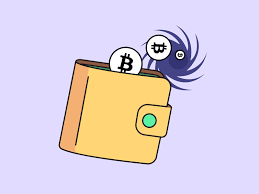
It’s like a hole just opened up and swallowed them. This is what we call a “wallet drainer,” and it’s a growing worry for many people in the digital world.
These drainers are sneaky. They look for ways to get into your wallet. Then, they quietly take what’s yours.
No one wants to lose their hard-earned crypto. This guide will walk you through what wallet drainers are. We’ll also cover how to spot them and, most importantly, how to stop them from affecting you.
Wallet drainers are malicious software or scams designed to steal cryptocurrency from digital wallets. They often work by tricking users into signing harmful transactions or by exploiting vulnerabilities. Avoiding them requires vigilance, safe online practices, and understanding common attack methods.
What Exactly Are Wallet Drainers?
Imagine your wallet is a safe. Wallet drainers are like master thieves. They have many ways to pick the lock or trick you into handing over the key.
These drainers aren’t just one type of thing. They can be a piece of code, a fake website, or even a sneaky message.
Their main goal is simple: to get access to your wallet. Once they have it, they can transfer your crypto to their own addresses. This happens very fast.
Sometimes, you don’t even know it happened until it’s too late. They are built to be hard to catch.
Most of the time, wallet drainers target people using smart contract wallets. These are wallets that can interact with decentralized applications (dApps). This is common on blockchains like Ethereum, BNB Chain, and Polygon.
The danger is real for anyone using these tools.
How Do Wallet Drainers Work?
Wallet drainers use several clever tricks. They are always getting smarter. Knowing these methods helps you stay safe.
Let’s break down the most common ways they operate.
One big way is through malicious smart contract approvals. When you use a dApp, you often need to give it permission to access your wallet. This is called an approval.
A wallet drainer can trick you into approving its contract. This approval lets the drainer spend your crypto without another prompt from you.
Another tactic is phishing websites. These look exactly like real crypto sites. Think of fake versions of popular NFT marketplaces or decentralized exchanges.
You might go to one by mistake. If you try to log in or connect your wallet, the fake site can steal your information or get you to sign a bad transaction. Your wallet details go straight to the scammer.
Fake tokens or NFTs are also a problem. You might receive a free token or NFT. It seems like a gift.
But when you try to sell it or interact with it, it triggers the drainer. It might ask you to sign a transaction to list it. That transaction is actually giving the scammer control.
Sometimes, drainers are spread through compromised websites or ads. A website you trust might get hacked. It could then show pop-ups or links that lead to drainer sites.
Even ads on search engines can sometimes be fakes. They lead you right into a trap.
Finally, direct messaging scams are common. Someone might reach out to you on social media. They offer help or a special deal.
They ask you to click a link or connect your wallet. This is a classic social engineering trick.
It’s crucial to understand that the wallet drainer is not a virus in the traditional sense. It doesn’t infect your computer. It tricks you into giving it power.
It uses the normal functions of your wallet against you.
My Own Close Call: A Lesson Learned
I remember one evening, I was browsing a new NFT project. It looked really promising. They had cool art and a busy Discord.
I wanted to see if I could snag an early mint spot. The website seemed legit. It had all the usual links and looked professional.
I clicked on a link to connect my wallet. It asked me to approve a small transaction. It said it was to verify I was a real user.
In my rush, I didn’t look too closely at the contract address. I just clicked “Approve” on my wallet.
A few minutes later, I got a notification. It was from my wallet. It said a large amount of ETH had been sent out.
Panic washed over me. I checked my wallet balance. It was almost empty.
My heart sank. That small approval was a trap. The contract I approved was a drainer.
It had drained nearly all my funds in a flash.
It was a terrible feeling. I felt foolish and violated. But that experience taught me a huge lesson.
You have to be extremely careful. Every click matters. Every approval needs a second look.
The digital world is amazing, but it has its dangers.
Spotting a Red Flag: The Warning Signs
Fake Websites: Look for typos or weird domain names. Official sites are usually clean and well-known.
Suspicious Links: Never click links from unknown sources. Even if a friend sends it, verify they weren’t hacked.
Unusual Approvals: When your wallet asks you to approve something, read it. Does it make sense for what you’re doing?
Too Good to Be True Offers: Free crypto or rare NFTs for little effort are almost always scams.
Urgency: Scammers often create pressure. They want you to act fast without thinking.
Common Places Wallet Drainers Hide
Understanding where these threats lurk is key to avoiding them. They are not random. Scammers target places where people are active and hopeful about crypto.
Social Media Platforms like Twitter, Discord, and Telegram are breeding grounds. Scammers create fake accounts or join popular groups. They post links to fake airdrops or investment opportunities.
They might also send direct messages with these links.
Fake Marketplaces and dApps are a major threat. These mimic legitimate sites. They might look identical to OpenSea, Uniswap, or others.
Their goal is to get you to connect your wallet and sign a malicious transaction, thinking you’re buying or selling something real.
Phishing Emails are still a tactic. While less common for direct wallet draining, they can lead you to fake websites. These emails often pretend to be from exchanges or wallet providers.
They ask you to “verify your account” or “update your security.”
Malicious Browser Extensions are a silent danger. If you download a fake wallet extension or a utility that looks helpful, it could contain a drainer. It might monitor your wallet activity and steal funds without you knowing.
“Free Mint” or Airdrop Scams are rampant. You’ll see posts about getting free NFTs or tokens. You click a link, connect your wallet, and approve a transaction to claim.
This transaction is what drains your wallet.
Compromised Websites that were once safe can become a risk. Hackers can inject malicious code into legitimate sites. This can redirect you to drainer sites or prompt fake transaction pop-ups.
It’s important to remember that these aren’t always obvious. The best ones are incredibly well-disguised. They exploit our desire for gains and our trust in familiar platforms.
Protecting Your Digital Assets: Proactive Steps
Avoiding wallet drainers isn’t about being paranoid. It’s about being smart and careful. There are many steps you can take to create a strong defense for your crypto.
Use a Hardware Wallet. This is one of the best defenses. A hardware wallet keeps your private keys offline.
When you approve a transaction, it happens on the device itself. A drainer on your computer or phone can’t access your keys directly. Examples include Ledger and Trezor.
They make it much harder for drainers to succeed.
Be Wary of Smart Contract Approvals. Never blindly approve smart contracts. Always review what you are signing.
Use tools like Etherscan (or equivalent for other chains) to check the contract address. See if it’s a known legitimate project or a suspicious one. If you are unsure, do not approve.
Revoke Unused Approvals Regularly. Over time, you grant many approvals to different dApps. Some of these might be outdated or from projects you no longer use.
A wallet drainer might exploit an old, forgotten approval. Use services like revoke.cash to check and remove these permissions. This is a crucial step many people miss.
Double-Check Website URLs. Before connecting your wallet or entering any information, verify the website’s address. Scammers create URLs that are very similar to legitimate ones.
Look for slight misspellings or extra characters. Use bookmarks for sites you visit often.
Never Share Your Seed Phrase or Private Keys. This sounds obvious, but people still fall for it. Your seed phrase is the master key to your wallet.
Anyone who has it can access and steal your funds. No legitimate service will ever ask for it. Keep it offline and secure.
Use Separate Wallets for Different Activities. Consider having a “hot” wallet for daily, small transactions. Keep your main, larger holdings in a secure hardware wallet or a separate, less-used wallet.
This limits the damage if one wallet is compromised.
Be Skeptical of DMs and Unsolicited Offers. If someone contacts you out of the blue with an amazing crypto deal or a request for help involving your wallet, be extremely cautious. It’s usually a scam.
Stick to official channels and reputable sources.
Keep Software Updated. Make sure your wallet software, browser, and operating system are up-to-date. Updates often include security patches that protect against new threats.
This includes browser extensions too.
Educate Yourself Continuously. The crypto space is always changing. New scams emerge regularly.
Stay informed about the latest threats by following reputable crypto security news sources. Knowledge is your best defense.
Implementing these practices builds a strong barrier. It makes you a much harder target for wallet drainers. It’s about building good habits.
Quick Checklist: Are You Safe?
Hardware Wallet? Yes / No
Seed Phrase Secure? Yes / No
Unused Approvals Revoked? Yes / No
Website URLs Verified? Yes / No
Skeptical of DMs? Yes / No
Software Updated? Yes / No
Understanding Smart Contract Approvals and Why They’re Dangerous
Smart contract approvals are a core function of many blockchains. They allow decentralized applications (dApps) to interact with your wallet. When you approve a token to be spent by a certain contract, you’re giving that contract permission.
For example, when you use a decentralized exchange (DEX) like Uniswap, you approve the DEX contract to move your tokens. This is necessary to swap one token for another. The approval usually specifies an amount.
Often, it’s set to “infinite” or a very large number.
The danger comes when a malicious contract gets this approval. If a wallet drainer tricks you into approving its contract, it can then use that approval to take your tokens. It doesn’t need your confirmation for each transaction once it has the approval.
It just calls the function in your wallet to move the tokens.
This is why reviewing approvals is so important. You need to know who you are giving permission to. And you need to know what they can do.
Many people grant approvals without thinking. They assume the dApp is safe. But the drainer might not be the dApp itself.
It could be a hidden part of the process.
Think of it like giving someone a key to your house. You want to know who they are and why they need it. If they are a trusted friend for a specific task, that’s one thing.
If they are a stranger or have a suspicious look, you wouldn’t hand over the key. The same logic applies to smart contract approvals.
Regularly checking and revoking these approvals is a vital part of wallet security. Services like revoke.cash are excellent for this. They list all the tokens and NFTs you’ve approved to spend.
You can then choose to revoke any that you no longer need or trust. This takes away the drainer’s ability to act on old permissions.
My Daily Security Routine
Morning Check: I quickly check my wallet for any strange activity or notifications. I also glance at the crypto news for any new scam alerts.
During Use: When I interact with a new dApp, I pause. I check the URL. I read the approval requests very carefully.
I ask myself: does this make sense?
Weekly Review: I set a reminder to check my smart contract approvals. I use revoke.cash to see what’s active. I revoke anything I haven’t used in months.
After Big Transactions: If I make a large trade or investment, I’ll double-check my approvals again. Just to be extra sure.
The Psychology Behind Scams: Why We Fall for Them
Wallet drainers and crypto scams prey on human nature. They are designed to exploit our emotions and cognitive biases. Understanding this helps us resist their tricks.
Greed is a big factor. The promise of quick riches or huge profits is very tempting. Scammers dangle exciting opportunities like high-yield investments, rare NFTs, or free tokens.
This makes people want to act fast without thinking.
Fear of Missing Out (FOMO) plays a huge role. When you see others making money or getting early access, you don’t want to be left behind. Scammers create a sense of urgency.
They say things like “limited time offer” or “act now before it’s gone.”
Trust and Authority Bias are also exploited. People tend to trust things that look official or come from sources they recognize. Scammers create fake websites, logos, and even impersonate known figures or companies.
They might claim to be from a popular exchange or a well-known developer.
Curiosity can lead people down the wrong path. A “free NFT” or a “secret airdrop” sounds interesting. People click the links out of curiosity.
They don’t stop to think if it’s legitimate.
Overconfidence or Complacency can set in. After being in crypto for a while, people might think they know all the scams. They start to think they are immune.
This makes them less careful. They might ignore warning signs they would have spotted when they were new.
Desire for Help or Convenience is another angle. Sometimes, scammers offer to “help” you with a problem. Or they might offer a “simpler” way to do something.
This can trick people into giving away control.
Recognizing these psychological triggers is like having a shield. When you feel that urge to act quickly, or when something seems too good to be true, pause. Ask yourself: “Is this playing on my greed or my FOMO?” This moment of reflection can save you from a lot of trouble.
When to Worry: Signs Your Wallet Might Be Compromised
Sometimes, despite your best efforts, things can go wrong. Knowing the signs of a compromised wallet is crucial. Early detection can sometimes limit the damage.
Unexpected Transactions are the most obvious sign. If you see funds leaving your wallet that you did not authorize, this is a major red flag. Check your transaction history immediately.
Look for any transactions you don’t recognize.
Unusual Smart Contract Activity is another warning. This could be a sudden increase in gas fees or unexpected contract interactions. Your wallet might show many outgoing transactions to the same address, even small ones.
This can be the drainer “testing the waters” or sweeping small amounts.
Loss of Access to Your Wallet is a critical issue. If you suddenly can’t access your wallet, or if your balance shows zero without any record of you spending it, your wallet might have been drained or your keys stolen.
Received Tokens You Didn’t Expect can be a setup. While some airdrops are legitimate, many scam tokens are sent to wallets. If you try to interact with these tokens, it could trigger a drainer.
It’s often best to ignore or hide unknown tokens.
Wallet Prompts for Unfamiliar Actions. If your wallet suddenly starts asking you to sign transactions or approve contracts for actions you weren’t performing, stop immediately. This could be a drainer trying to trick you into giving it further permissions.
Your Wallet Shows a Different Balance Than Expected. After completing a legitimate transaction, if the remaining balance is much lower than it should be, it’s a strong indicator of theft. This is often the final sweep by a drainer.
If you suspect your wallet is compromised, act fast. The first step is to stop all activity. Do not send any more funds.
Try to move your remaining assets to a brand new, secure wallet. You might need to reach out to security experts or community forums for guidance. But securing your remaining funds is the top priority.
Quick Checks You Can Do
Transaction History: Review all recent outgoing transactions. Are they yours?
Pending Transactions: Are there any transactions stuck or pending that you didn’t start?
Token Balances: Check if all your expected tokens are present in the correct amounts.
Approved Contracts: Use a revoke tool to see what permissions are active.
What to Do If You Suspect a Wallet Drainer Attack
Discovering that your wallet has been drained is a devastating experience. But staying calm and acting quickly can help. Here’s what you should do:
1. Stop All Activity Immediately. Do not try to send more transactions.
Do not interact with any dApps. This prevents further loss and gives you a moment to think.
2. Secure Your Remaining Assets. If you have any funds left, your top priority is to move them.
Create a brand new wallet. Do this on a secure device. Transfer any remaining crypto from the compromised wallet to this new one.
Use a hardware wallet if possible.
3. Revoke All Approvals. Go to a trusted service like revoke.cash.
Connect your compromised wallet (or any wallet you suspect might be at risk). Revoke ALL existing token and NFT approvals. This is critical, as drainers often exploit old permissions.
4. Report the Incident. If the scam involved a specific website or platform, report it to them.
You can also report it to blockchain explorers (like Etherscan) or relevant community groups. This helps warn others.
5. Analyze the Attack (If Possible). Try to retrace your steps.
What did you click? What website did you visit? What approvals did you sign?
This can help you understand how it happened and prevent it from happening again. It can also help others.
6. Do Not Engage with Scammers. If scammers contact you offering to help recover your funds, ignore them.
They are likely trying to scam you again.
7. Learn from the Experience. This is tough, but essential.
Every scam is a learning opportunity. Revisit your security practices. Are there any gaps?
What could you have done differently?
It’s important to remember that recovering stolen crypto is extremely difficult, often impossible. The focus should be on preventing future attacks and securing what you have left. The crypto community is generally supportive, so reaching out for advice on security practices is a good step.
Common Myths About Wallet Drainers Debunked
There are many misunderstandings about wallet drainers. Clearing these up can help you build a better defense.
Myth 1: Wallet drainers are viruses that infect my computer.
Reality: Most wallet drainers are not traditional viruses. They are malicious scripts or smart contracts that trick you into signing harmful transactions. They exploit the wallet’s functions, not your computer’s system directly.
Your actions are often what enable them.
Myth 2: If I use a popular wallet, I’m automatically safe.
Reality: Popular wallets (like MetaMask, Trust Wallet) are generally secure. However, they are tools. How you use them matters.
A wallet drainer targets the user’s interaction with the blockchain, not a weakness in the wallet software itself. You can still fall victim if you are tricked into signing bad transactions.
Myth 3: If I’m careful, I can’t be scammed.
Reality: Scammers are constantly evolving. They use sophisticated social engineering. Even experienced users can be tricked.
It’s about consistent vigilance and implementing strong security measures, not just being “careful” once.
Myth 4: All transactions require my approval to be sent.
Reality: This is false. Smart contract approvals allow a contract to spend your assets without a new approval for each transaction. Once granted, the malicious contract can initiate transfers on its own.
This is a key mechanism for drainers.
Myth 5: My crypto is safe if I keep my seed phrase on my computer.
Reality: NEVER keep your seed phrase on your computer, phone, or any connected device. This is like leaving your house key under the mat. It should be written down and stored offline in a secure physical location.
Myth 6: I can recover my stolen crypto easily.
Reality: Recovering stolen crypto is exceptionally difficult. Once funds are moved to a scammer’s address, they are usually mixed or sent to exchanges where they are hard to trace. Prevention is the best strategy.
Keeping Your Digital Wallet Secure in the Long Term
Wallet drainers are a threat, but they don’t have to rule your crypto experience. By adopting a security-first mindset and building good habits, you can protect your digital assets for the long haul.
It’s a journey. The landscape of digital security is always changing. What’s safe today might need an update tomorrow.
So, stay informed. Be patient. And always remember that your private keys and your approvals are precious.
Guard them with your life.
Think of your digital wallet like a real-world safe. You wouldn’t leave it unlocked. You wouldn’t tell strangers the combination.
You would protect it fiercely. Applying that same level of care to your crypto wallet will go a long way.
Frequently Asked Questions About Wallet Drainers
What is the main goal of a wallet drainer?
The main goal of a wallet drainer is to steal cryptocurrency from a user’s digital wallet. It achieves this by tricking the user into signing malicious transactions or by exploiting security vulnerabilities.
How can I protect my crypto from wallet drainers?
You can protect your crypto by using a hardware wallet, being cautious with smart contract approvals, regularly revoking unused permissions, verifying website URLs, and never sharing your seed phrase or private keys.
Are browser extensions safe for crypto wallets?
Some browser extensions are safe and legitimate, like MetaMask. However, malicious extensions can also exist. Always download extensions from official sources and be wary of unknown or suspicious ones, as they can contain drainers.
What is a smart contract approval, and why is it risky?
A smart contract approval gives a specific contract permission to access and move your tokens or NFTs. It’s risky because if you approve a malicious contract, it can then steal your assets without requiring further confirmation from you.
Can I recover crypto once it’s been drained from my wallet?
Recovering crypto that has been stolen by a wallet drainer is extremely difficult, often impossible. The focus should always be on prevention and securing your remaining assets.
What should I do if I think my wallet has been compromised?
If you suspect your wallet is compromised, immediately stop all activity, move any remaining funds to a new, secure wallet, and revoke all smart contract approvals. Then, report the incident if possible.
Are “free token” or “airdrop” offers always legitimate?
No, free token or airdrop offers are often used as a lure for scams. Be very cautious and always verify the legitimacy of the project and the transaction before connecting your wallet or signing anything.
How often should I revoke my smart contract approvals?
It’s a good practice to review and revoke unused smart contract approvals regularly, ideally once a month or after interacting with many new dApps. This minimizes the attack surface.
Final Thoughts: Your Digital Safety Is In Your Hands
Wallet drainers are a serious threat in the crypto world. But by understanding how they work and taking proactive steps, you can significantly reduce your risk. Remember, vigilance, education, and smart security practices are your best defenses.
Stay safe out there!