It feels like there’s a new way to get free crypto popping up all the time, right? Airdrops are a huge part of that. They sound amazing: just for holding a coin or doing a small task, you get free tokens.
But with great opportunity often comes great risk. I’ve heard too many stories, and frankly, I’ve seen firsthand how these exciting crypto airdrops can quickly turn into major headaches. Scammers are getting smarter.
They prey on our excitement and desire for quick gains. This guide will help you see through the smoke and mirrors.
Crypto airdrops can be a way to get free tokens, but many are phishing scams. Watch out for suspicious links, requests for private keys or seed phrases, and offers that seem too good to be true. Always do your own research and protect your wallet information.
Understanding Crypto Airdrop Phishing Scams
What exactly is a crypto airdrop? Simply put, it’s a way for new blockchain projects to distribute their tokens. They give them away to people who might be interested.
Think of it like a free sample. Projects do this for many reasons. They want to build a community.
They want to get their name out there. They might also want to reward early supporters of their project.
Now, here’s where the problem starts. Bad actors see this. They see people eager for free money.
They create fake airdrops. These fakes are designed to steal your crypto. They are a type of phishing scam.
Phishing means trying to trick you into giving up sensitive information. This is usually done through fake emails, websites, or messages.
The goal of these scam airdrops is simple: to get access to your crypto wallet. They want your private keys. They want your seed phrase.
With these, they can drain your wallet completely. It’s a devastating loss. It happens often because people get excited about potential profits.
They overlook warning signs.
The Lure of “Free” Crypto
Crypto airdrops have become incredibly popular. Who wouldn’t want free digital currency? Many legitimate projects have used airdrops successfully.
They build hype and adoption. This can make a project’s coin more valuable later on. So, the idea of getting something for nothing is very appealing.
Scammers exploit this appeal. They create fake offers that look very real. They might mimic the branding of a popular or upcoming project.
They promise huge amounts of free tokens. Sometimes, they say you need to complete a small task first. This task is often the trap.
The tasks might include: connecting your wallet to a suspicious website. They might ask you to send a small amount of crypto to a specific address to “verify” your wallet. Or they might ask you to share your seed phrase or private key.
These are huge red flags.
Real-Life Horror Stories: What I’ve Seen and Heard
I remember talking to a friend, let’s call him Alex. Alex is pretty tech-savvy. He’s been in crypto for a few years.
He got an email about a new project called “StarVerse.” It promised a massive airdrop. You just had to connect your MetaMask wallet to their site. The site looked slick.
It had all the right logos. Alex was excited. He thought, “Just a quick connection, what could go wrong?”
He connected his wallet. He saw a confirmation screen. Then, nothing.
He shrugged it off as a failed attempt. A few hours later, he checked his wallet. Panic set in.
His main holdings, the ones he’d carefully built up, were gone. The scammers had drained everything. They didn’t even need his seed phrase directly at first.
Connecting his wallet to their malicious site gave them the permissions they needed to transfer his funds. He was devastated. He learned a hard lesson that day about trusting every “free” offer.
Another time, I was scrolling through a crypto forum. Someone posted about a supposed “early access” airdrop for a highly anticipated NFT game. They were told to send 0.1 ETH to a specific address to “activate” their eligibility.
The person who posted the warning said they saw multiple people fall for it. They lost their Ethereum. The promise of getting into a hot NFT project early blinded them to the obvious scam.
It’s a painful reminder that if it sounds too good to be true, it almost always is.
Common Airdrop Scam Tactics
Fake Social Media Accounts: Scammers create profiles that look like official project accounts on Twitter, Telegram, or Discord. They post fake airdrop announcements.
Malicious Websites: They build fake websites that mimic legitimate crypto platforms. These sites ask you to connect your wallet or enter sensitive details.
Urgency and Fear: Scammers often create a sense of urgency. They say the airdrop is only available for a limited time. This pressures you to act without thinking.
Requesting Private Keys/Seed Phrases: This is the biggest red flag. No legitimate airdrop will ever ask for your private key or seed phrase. Never share these.
How Scammers Operate: The Mechanics of Deception
Let’s break down how these scams typically work. It’s not just random chance; there’s a method to their madness. They want to make it look as convincing as possible.
The first step is usually publicity. They’ll create buzz. This can be through fake social media posts.
They might even run ads on less reputable crypto news sites. They create a sense of legitimacy. They want you to think this is a real opportunity from a real project.
Next, they direct you to a specific place. This is often a website. These sites are masterfully crafted.
They look like the official sites of known projects. They use similar colors, fonts, and logos. Sometimes, they even copy entire sections of content from real sites.
On these fake sites, you’ll see the airdrop details. They will tell you how much you can supposedly get. They will tell you what you need to do.
This is the critical part. What they ask you to do is the trap.
One common method is asking you to connect your wallet. When you connect your wallet to a malicious site, you are giving it permission. This permission might allow the scammer to initiate transactions from your wallet.
They can then drain it without asking for your explicit approval for each transaction, or they can steal tokens directly if you approve certain token transfers.
Another tactic is asking you to send a small amount of crypto to a specific address. They claim this is for “verification” or “gas fees.” This is a complete lie. Once you send them crypto, it’s gone.
They never send you anything back. And you’ve just confirmed your wallet is active and has funds, making you a prime target.
The most dangerous method is asking for your seed phrase or private keys. This is like giving someone the master key to your entire crypto kingdom. Your seed phrase is your backup.
It can restore your wallet. If a scammer gets it, they have complete control. They can move all your funds.
Red Flags to Watch For
Unsolicited Messages: If you receive an airdrop offer out of the blue, be extra cautious. Legitimate airdrops might be announced on official channels, but direct unsolicited messages are often scams.
Generic Greetings: Scammers often use generic greetings like “Dear crypto user” or “Hello friend.” Legitimate communications might be more personalized or at least address you by your username.
Poor Grammar and Spelling: While some legitimate projects might have minor errors, consistently bad grammar and spelling across communications are a big warning sign.
Links to Unknown Websites: Always hover over links before clicking. Does the URL look suspicious? Does it match the official domain of the project?
Spotting the Signs: A Practical Guide
Knowing the signs is your first line of defense. It’s like learning to spot a fake designer bag. With practice, you get better at noticing the flaws.
1. Check the Source Carefully: Where did you hear about the airdrop? Was it from the official Twitter account of the project?
Or an official Discord announcement? Be wary of posts shared by random users or links in unsolicited DMs. Look for the verified checkmark on social media.
However, even that can be faked, so check the follower count and post history too.
2. Examine the Website URL: Scammers often use slightly different URLs. For example, instead of `projectname.com`, they might use `projectname.net`, `projectname-airdrop.com`, or even misspellings like `projectname.coom`.
Always type the URL yourself into your browser if you’re unsure. Don’t rely solely on links from messages.
3. Scrutinize the “Task”: What are they asking you to do? If it involves connecting your wallet, pause.
Ask yourself: why would a legitimate project need my wallet connected for a free giveaway? If they ask for your seed phrase or private key, run away. This is the biggest no-no in crypto security.
4. “Too Good To Be True” Offers: If an airdrop promises thousands of dollars worth of tokens for minimal effort, it’s almost certainly a scam. Real airdrops often have more modest rewards, or the value is speculative and dependent on the project’s future success.
High promises usually mean high deception.
5. Poor Communication Quality: Look for bad grammar, spelling mistakes, or unprofessional language. While not all scams are poorly written, many are.
Legitimate projects, especially those with funding, will invest in clear and professional communication.
6. Community Buzz: Is the project being talked about on reputable crypto news sites or by well-known analysts? Or is the only buzz coming from the scammer’s own fake social media accounts?
Do some independent research.
Quick Checklist Before Connecting Your Wallet
- Is the source of the airdrop announcement legitimate and verified?
- Does the website URL look exactly right? No typos or strange domains?
- What is the “task”? Does it involve sending crypto or sharing sensitive info?
- Does the promised reward seem realistic, or is it outrageously high?
- Is the communication from the project clear and professional?
Protecting Your Digital Assets: Best Practices
Your crypto is valuable. Protecting it should be your top priority. Here are some solid practices that can keep your assets safe from these scams.
1. Use a Hardware Wallet: This is non-negotiable for serious crypto holders. A hardware wallet like a Ledger or Trezor keeps your private keys offline.
They are the safest way to store your crypto. Even if you accidentally interact with a malicious site, your funds remain secure because the private keys never leave the device.
2. Never Share Your Seed Phrase or Private Keys: I cannot stress this enough. Your seed phrase is the master key to your wallet.
Never write it down where others can find it. Never share it with anyone. Never type it into a website.
No legitimate service will ever ask for it.
3. Practice “Wallet Isolation”: Use separate wallets for different purposes. Have one wallet for daily transactions and holding small amounts.
Have a separate, more secure wallet for long-term holdings. For airdrops, consider using a brand new wallet with only a small amount of crypto in it. This way, if that wallet gets compromised, you only lose a little.
4. Always Do Your Own Research (DYOR): This is a crypto mantra for a reason. Before you engage with any airdrop or project, research it thoroughly.
Look for the project’s whitepaper, their team, their roadmap, and their community on reputable platforms. See what others are saying – but be critical of comments on their own social media, as they can be faked or deleted.
5. Double-Check Permissions: When you connect your wallet to a decentralized application (dApp) or a site for an airdrop, the wallet will ask for permissions. Read these carefully.
What is the dApp allowed to do? Does it just want to “view your address” or does it want to “approve all tokens” or “transfer tokens”? Be extremely restrictive with the permissions you grant.
6. Be Skeptical of “Free” Things: In the world of finance, and especially crypto, nothing is truly free. If something sounds like a windfall with no effort, it’s a sign to be extra careful.
Free crypto often comes with strings attached, and in the case of scams, those strings are meant to tie up your assets.
Key Security Tools
- Hardware Wallets: Ledger Nano S/X, Trezor Model T/One
- Secure Wallets: MetaMask, Trust Wallet, Phantom (for Solana)
- Research Tools: CoinMarketCap, CoinGecko, project whitepapers, official project websites
- Network Analysis: Block explorers like Etherscan, BscScan to check transaction history and contract addresses.
When It’s Real: Legitimate Airdrop Indicators
It’s not all bad news. Real, legitimate airdrops do happen. How can you tell the difference?
There are often subtle clues.
1. Announced on Official Channels: Legitimate airdrops are typically announced through the project’s official website, Twitter, Discord, or Telegram channels. These channels will have a significant following and a history of genuine activity.
2. Clear and Defined Requirements: The tasks required for a real airdrop are usually straightforward and related to the project’s goals. This might include holding a certain token, participating in their testnet, following them on social media, or joining their community.
They won’t ask for your private keys.
3. Focus on Community Building: The goal is usually to grow their user base. They want real users who will engage with their platform.
The rewards might be modest but are distributed fairly to a wide audience.
4. Transparency: The project will be transparent about the tokenomics, distribution plan, and the purpose of the airdrop. You can usually find this information in their whitepaper or official documentation.
5. Established Reputation (Sometimes): While many new projects do airdrops, you might see them from projects that already have some level of credibility or have been around for a while and are doing a follow-up distribution.
6. No Direct Sending of Crypto: A real airdrop might require you to connect your wallet to a platform to receive tokens. It will not ask you to send crypto to an unknown address for any reason.
Legit Airdrop vs. Scam Airdrop: A Quick Contrast
| Legit Airdrop | Scam Airdrop |
| Announced on official, verified channels. | Announced via unsolicited messages or fake social media. |
| Asks to connect wallet to a trusted platform (read permissions!). | Asks for private keys/seed phrase or to send crypto. |
| Tasks are simple, community-focused actions. | Tasks are designed to steal your info or funds. |
| Promises reasonable rewards. | Promises impossibly high rewards. |
| Professional communication. | Poor grammar, spelling errors. |
Common Crypto Airdrop Scam Entities and Concepts
When we talk about crypto scams, certain terms and concepts keep coming up. Understanding these helps you recognize the patterns.
Wallet Connect: This is a technology that allows your wallet to interact with decentralized applications (dApps). Scammers use a fake “Wallet Connect” pop-up on their malicious sites. When you approve it, they gain control.
Seed Phrase/Recovery Phrase: This is a 12 or 24-word phrase that can restore access to your cryptocurrency wallet. It’s the most critical piece of information for your wallet’s security. Scammers desperately want this.
Private Key: This is a long, complex string of characters that gives you direct access to your cryptocurrency. It’s like a password. It should never be shared.
Your seed phrase can generate your private keys.
Smart Contracts: These are self-executing contracts with the terms of the agreement directly written into code. Many legitimate airdrops involve interacting with smart contracts. Scammers can also deploy malicious smart contracts.
DeFi (Decentralized Finance): This is a broad term for financial services built on blockchain technology. Airdrops are often used by DeFi projects to bootstrap their user base.
NFTs (Non-Fungible Tokens): These are unique digital assets. Some fake airdrops might promise free NFTs to entice people, especially in the current NFT hype cycle.
Fake Giveaways: This is a broad category where scammers promise to double your Bitcoin or other crypto if you send them some first. This is a classic Ponzi-style scam.
Phishing Domains: These are website addresses that are intentionally designed to look like legitimate ones but are controlled by scammers. They are a core tool for phishing.
What This Means for Your Crypto Journey
The prevalence of phishing scams around crypto airdrops means you need to approach these opportunities with extreme caution. It’s not about being scared, but about being smart. The excitement of free crypto can be a powerful lure, but it should never override your security instincts.
For new crypto users, this landscape can be particularly daunting. You’re trying to learn about blockchain, tokens, and wallets, and then you have to also become a security expert. It’s a lot.
Remember that the crypto space is still evolving, and unfortunately, where there’s innovation, there are also those looking to exploit it.
For experienced users, complacency can be the biggest enemy. You might think you’ve seen it all, but scammers constantly adapt their methods. That’s why staying informed and disciplined is crucial, no matter how long you’ve been in the space.
The core takeaway is this: The responsibility for your crypto’s safety lies with you. No project or platform can protect you if you hand over your keys. Education and vigilance are your best tools.
When Is an Airdrop Offer Not a Scam?
Let’s recap when you can feel more confident about an airdrop. It’s about a combination of factors coming together.
Official Announcement: The offer comes directly from the project’s main website or verified social media accounts. You’ve seen them promote it consistently across their platforms.
Clear Purpose: The airdrop has a logical purpose for the project. They want to reward loyal users, decentralize governance, or encourage usage of their platform. It’s not just a random handout.
No Sensitive Information Required: You will never be asked for your seed phrase or private keys. Connecting your wallet might be required, but you’ll be shown specific permissions, and the site will be secure (HTTPS).
Community Engagement: The project has an active, real community that discusses the airdrop and the project openly. Not just bots and hype comments.
Realistic Rewards: The promised rewards are in line with what other legitimate projects offer. They aren’t promising life-changing sums for a simple click.
Reputable Tools Used: If they use standard, well-known tools for distribution (like airdrop aggregators that have a good track record, or their own custom but audited platform), that’s a good sign.
When Should You Be Worried?
If any of these conditions are met, you should be very worried:
Direct Message Offer: You get an offer out of the blue via DM on Telegram, Discord, or Twitter, especially if it’s from an account that isn’t clearly the official project.
Urgency Tactics: They say “Act now!” or “Limited time offer!” to rush you into making a mistake.
Request for Funds: They ask you to send any amount of crypto to an address to “verify” or “unlock” your airdrop. This is always a scam.
Seed Phrase/Private Key Prompt: They ask for your recovery phrase or private key. This is the ultimate scam signal.
Suspicious Website: The website looks slightly off, has poor design, or the URL is not what you expect. Check for HTTPS and a valid certificate.
Unrealistic Promises: The amount of free crypto promised is incredibly high and doesn’t align with the project’s stage or market conditions.
Quick Fixes and Tips
While there aren’t “fixes” for scams once they happen, prevention is key. Here are some quick tips to keep in mind.
Enable Two-Factor Authentication (2FA): Use 2FA on all your crypto exchange accounts and any other online services that offer it. This adds an extra layer of security.
Use Strong, Unique Passwords: Don’t reuse passwords. Use a password manager to keep track of them.
Keep Software Updated: Make sure your operating system, browser, and wallet software are always up to date. Updates often include security patches.
Educate Yourself Continuously: The crypto space is always changing. Stay informed about new scam tactics and security best practices.
Trust Your Gut: If something feels off, it probably is. It’s better to miss out on a potential airdrop than to lose your crypto.
Frequently Asked Questions About Crypto Airdrop Scams
What is a crypto airdrop phishing scam?
It’s a scam where fraudsters create fake airdrop offers to trick you into revealing sensitive information like your private keys or seed phrase, or to steal your crypto by directing you to malicious websites or asking you to send them funds.
How can I tell if an airdrop offer is real?
Legitimate airdrops are announced on official project channels, have clear requirements that don’t involve sharing private keys, and offer reasonable rewards. Always do your own research (DYOR) and verify the source.
Should I ever share my seed phrase for an airdrop?
Absolutely not. Your seed phrase is the master key to your wallet. No legitimate airdrop or crypto service will ever ask for it. Sharing it means losing all your funds.
What should I do if I accidentally connect my wallet to a scam site?
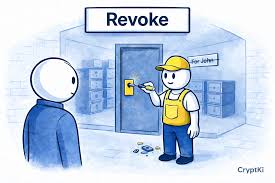
If you suspect you’ve connected your wallet to a malicious site, immediately revoke its permissions. You can usually do this through your wallet’s settings (e.g., MetaMask’s “Connected Sites” or airdrop-specific token approval dashboards). If you sent crypto, it’s likely lost, but securing your wallet is the next step.
Are all airdrops scams?
No, not all airdrops are scams. Many legitimate projects use airdrops as a marketing and distribution strategy. However, the number of scams is very high, so extreme caution and due diligence are always necessary.
What are the common signs of a phishing scam in airdrops?
Look for unsolicited offers, poor grammar, suspicious website links, requests for private keys/seed phrases, promises of impossibly high rewards, and urgency tactics. If it seems too good to be true, it probably is.
Is it safe to use a third-party airdrop aggregator website?
Some aggregator sites are reputable and list many legitimate airdrops. However, scammers can also infiltrate these lists. Always vet the airdrop itself and the associated projects thoroughly, even if found on an aggregator.
Never connect your main wallet directly without understanding the permissions.
Conclusion
Navigating the world of crypto airdrops can feel like walking a tightrope. The potential for free tokens is exciting, but the risk of falling prey to phishing scams is very real. By staying informed, exercising skepticism, and prioritizing security practices like using hardware wallets and never sharing your private keys, you can significantly reduce your risk.
Treat every airdrop offer with caution, do your research diligently, and remember that protecting your assets is always more important than chasing a quick gain.